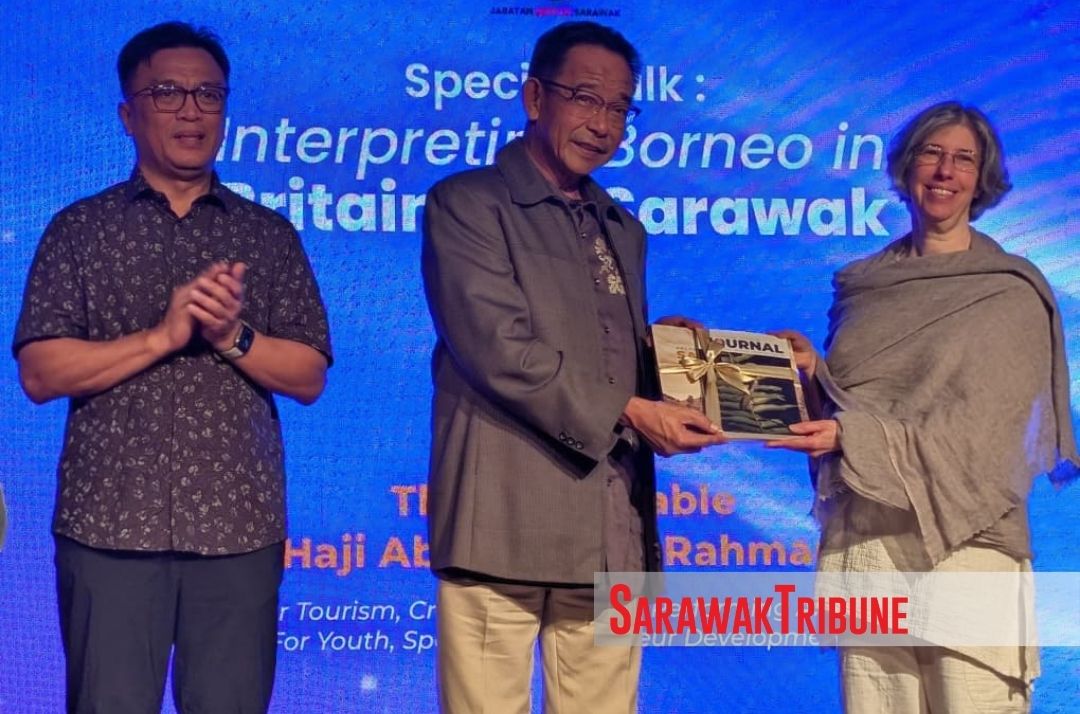
KUCHING: Collaborative efforts between the Sarawak Museum Department and the British Museum have significantly advanced research into the Charles Hose collections, enabling a deeper understanding of Borneo’s historical and cultural heritage through shared scholarship, digital access and community engagement.
Tourism, Creative Industry and Performing Arts Minister, Datuk Seri Abdul Karim Rahman Hamzah, said extensive work had been carried out by research and collections teams from both institutions to exchange information on the Charles Hose collections housed in Kuching and in museums across the United Kingdom.
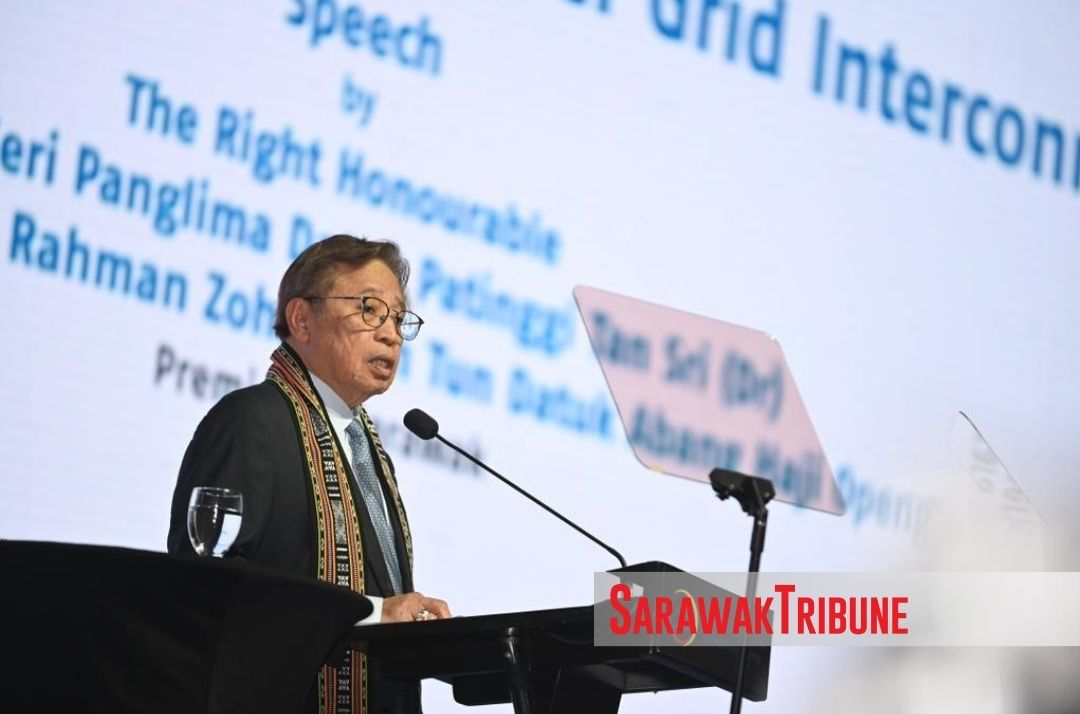
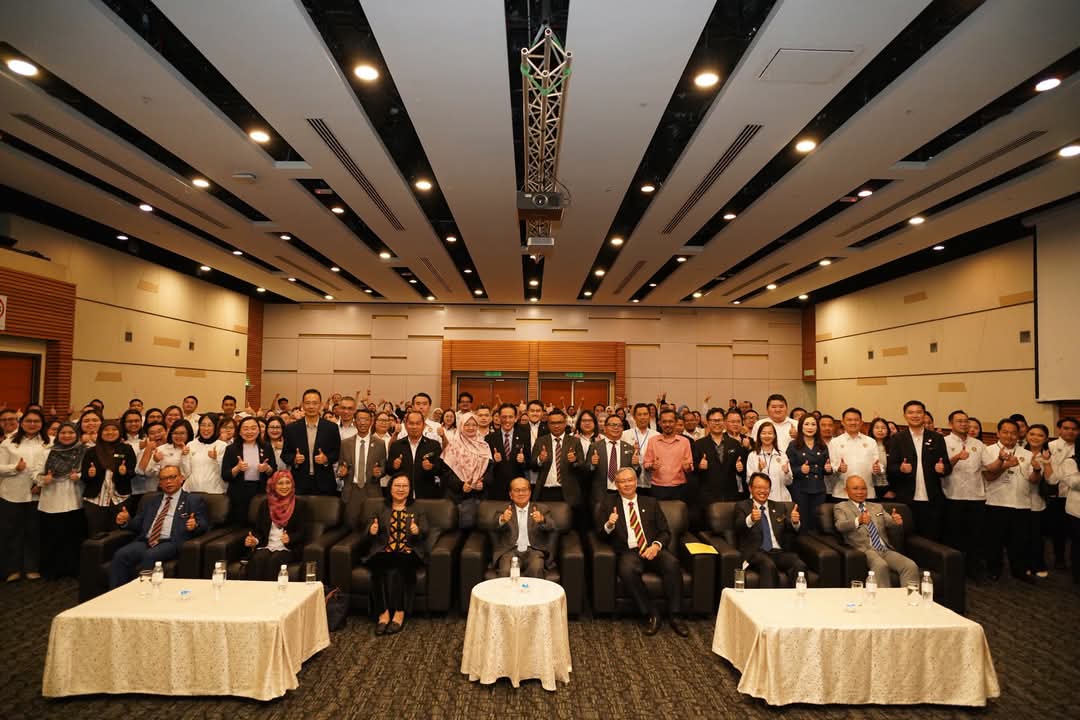
“These efforts are vital in reconstructing the broader historical and cultural contexts in which these collections were formed, acquired and preserved,” he said in his opening address at the ‘Special Talk: Interpreting Borneo in Britain and Sarawak’ held at the Borneo Cultures Museum on Saturday (Jan 24).

He noted that the collaboration reflects a shared commitment to responsible interpretation of cultural heritage, grounded in integrity, transparency and mutual respect.
Abdul Karim said museums today play an evolving role beyond being repositories of artefacts, serving instead as platforms for dialogue, reflection and knowledge exchange.
He added that Sarawak has embraced this shift through the establishment of the Borneo Cultures Museum, which symbolises the state’s aspiration to position itself as a regional centre for research, cultural diplomacy and international collaboration.
“In this context, the ‘Interpreting Borneo in Britain’ project is particularly significant. I understand that this project was inspired by research initiated here in Sarawak several years ago, during the early phases of the Borneo Cultures Museum’s development.
“This demonstrates how sustained scholarly engagement can evolve organically into deeper institutional partnerships, benefiting not only museums, but also researchers, students, communities, and the wider public,” he said.
He also welcomed the project’s strong emphasis on community engagement, particularly activities conducted in the Baram region, which aimed to reconnect museum collections with source communities.
“Heritage research must not be extractive in nature. It must be reciprocal, inclusive and grounded in respect for local knowledge and lived experience,” he stressed.
He also commended the digitisation of the British Museum’s Charles Hose photographic collection, describing it as a significant step towards improving accessibility and shared custodianship of Sarawak’s dispersed cultural heritage.
“By making these materials available online, the project has created an invaluable public resource that will support future research into Sarawak’s history, anthropology and cultural landscapes, particularly for younger generations in the digital age,” he said.
From the state government’s perspective, Abdul Karim said such initiatives align closely with Sarawak’s broader development agenda, where culture and heritage form key pillars of tourism development, creative industries and sustainable growth.
“Well-researched and responsibly interpreted heritage enhances Sarawak’s global profile, attracts cultural tourism and strengthens our sense of identity as a diverse and dynamic society,” he added.