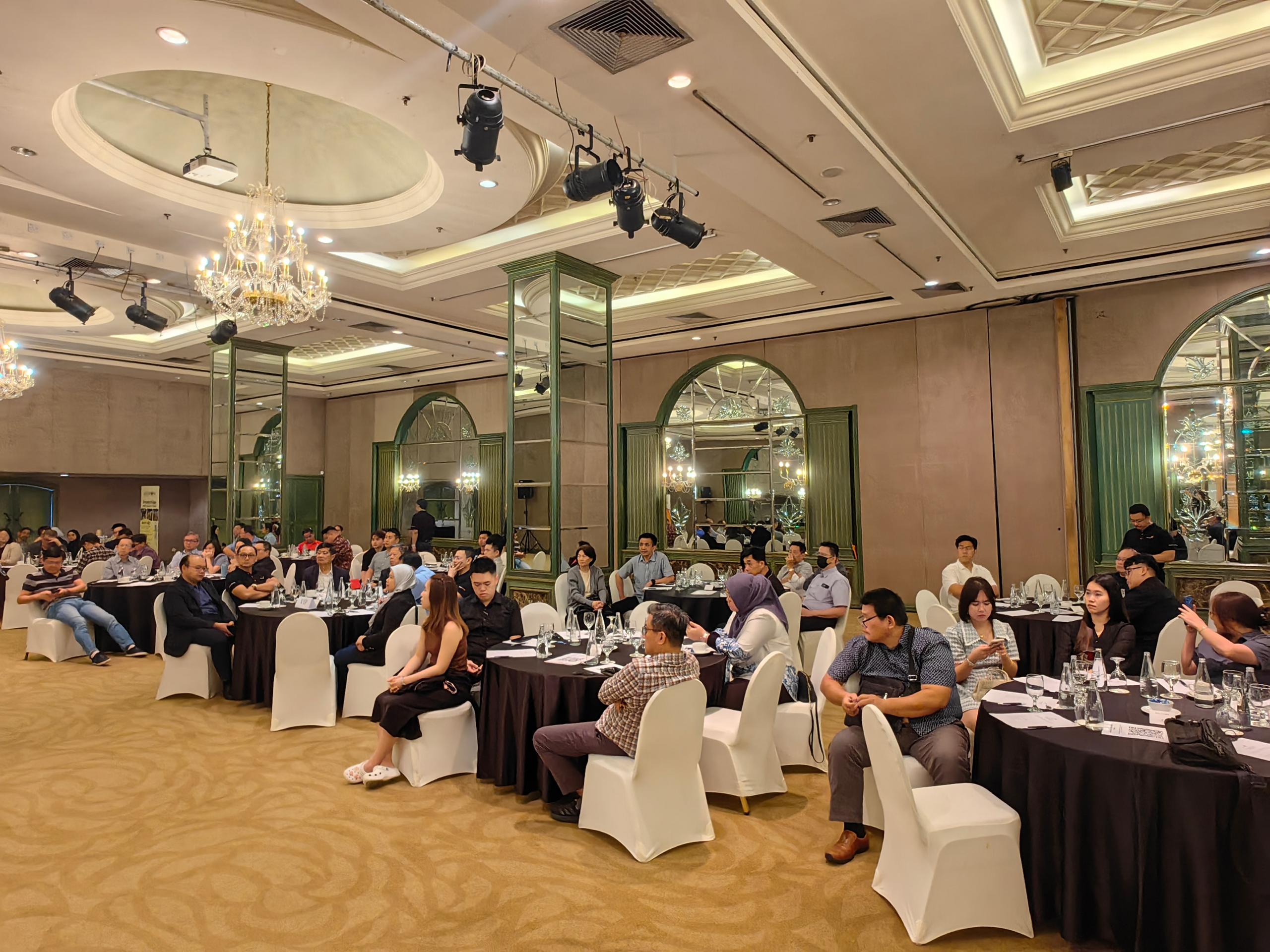
KUCHING: Sarawak is positioning itself as a leader in sustainable facility management, supported by major infrastructure projects, green economy policies, and the adoption of smart technologies.
Deputy Minister of Infrastructure and Port Development II, Datuk Majang Renggi, said the state was on the right track in strengthening its facility management ecosystem through strategic planning, investments, and collaborations with federal agencies and industry stakeholders.
“Sarawak is not only driving sustainable development and the green economy but also investing significantly in strategic infrastructure projects that demand efficient facility management,” he said at the Sarawak Facility Management Industry Engagement Day 2025 here today.
Majang highlighted that major projects such as the Sabah-Sarawak Link Road, the Trans-Borneo Highway, and the Pan-Borneo Highway Sarawak are driving demand for modern facility management practices, with RM500 million allocated for road upgrades and maintenance, RM50 million for federal roads from Kuching to Lawas, and nearly RM70 million for the Pan-Borneo Highway.
“These initiatives show that facility management is now as important as construction itself, ensuring the long-term sustainability of our assets,” he said.
He said the recently launched Sarawak Sustainability Blueprint 2030 outlines the state’s transition towards a green economy, with a target of achieving 70 per cent renewable energy in the state’s energy mix by 2030.
He added that policies such as the Sarawak Energy Transition Policy and the Hydrogen Economy Roadmap reinforce the state’s commitment to environmental sustainability and climate action.
“Sustainable facility management will be key to ensuring that government, commercial, and residential buildings in Sarawak are energy-efficient, eco-friendly and resilient,” he said.
Majang said Sarawak is also embracing smart city initiatives in Kuching and Miri, integrating artificial intelligence, the Internet of Things, and automation to improve facility management efficiency.
For example, the Kenyalang Smart City Project and the Kuching Urban Transportation System, the first Autonomous Rapid Transit system outside China, aim to create thousands of high-value jobs while promoting digital transformation.
“Through collaborations with the private sector and local universities, we aim to train more Sarawakian experts in smart facility management,” he said, adding that knowledge transfer from international partners would strengthen local expertise.
Majang said the state government is open to proposals such as making facility management planning mandatory for new development projects and providing incentives for companies adopting green initiatives.
He expressed confidence that today’s engagement would accelerate the growth of Sarawak’s facility management industry and foster stronger collaboration between the government, private sector, and academia.
“Let us position Sarawak as a model state for sustainable facility management, one that builds world-class infrastructure and excels in maintaining and managing it responsibly,” he said.