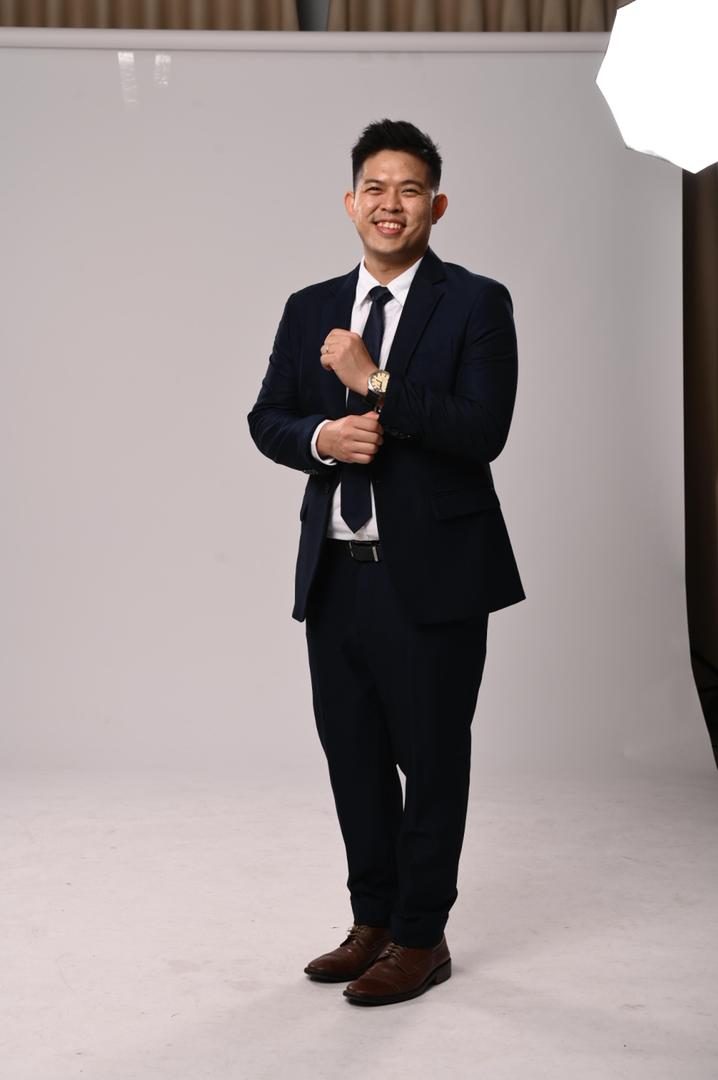
GROWING up, insurance agent Andre Kho Yang Yang always knew he wanted to join the industry. Beyond the sales, the field taught him valuable lessons about life. Alongside his ‘work family’, he grew, had fun and gained invaluable insights.
“I joined S1an & Associates because I thought they were really fun people to be around. I followed my manager to a team-building event at Camp Permai, Santubong, when I was 18. I had plenty of fun, attended a few of their activities and dinners over the years, and eventually joined them six years later, at 24,” said the 34-year-old.
A decade has since passed, and Andre remains in the same field. He admitted that he grew up in a family that was not pro-insurance. Speaking with Sarawak Tribune, Kho shared his love for the insurance industry and his perspective on the profession.
What was your perception of insurance agents before you became one?
I grew up in a family that was not pro-insurance. It was only after I had my appendix removed at around 17 that my parents got me a medical card. “We can do keyhole surgery leaving no scar – RM6,000, or RM3,000 for the normal surgery where we cut open.” I had no medical card, so my parents chose the cheaper option.
I never had negative perceptions of insurance agents myself but because I wasn’t exposed to insurance or agents growing up, it definitely influenced how I started my career. Due to the stigma around insurance agents, I used to avoid telling people what I really did. For the longest time, when asked, I would just say I was a squash coach and rarely mentioned I worked in insurance.
My performance in the first five years was not strong. The industry has made huge strides in becoming very professional. It is now not so easy to become a financial planner, with many requirements and certifications needed to maintain our licences.
The internet has also made consumers more savvy, with information readily available.
Most of the time, we are problem solvers for our clients, so yes, I definitely feel proud to be a financial planner now, helping people achieve their goals and dreams worry-free.
What keeps you going in this line of work, especially on tough days?
In my fourth year, I reached a crossroads: leave the industry or continue. Sales were poor, and I could not hit my targets. I remember in the first six months having only one sale – and it was my own mother. But I had a commitment to my friends and clients, which was the biggest reason I stayed and eventually improved. I had many supportive friends, most of whom encouraged me to pursue insurance full-time. At the time, I was juggling being a squash coach in Sarawak with insurance work.
Knowing I can help people when they need it most is very rewarding. We have a standing joke that I may not be lucky because under my portfolio, I have facilitated claims amounting to over RM1 million. There are also death and critical illness claims that I have assisted friends with, often because they didn’t know how to navigate the process. My job is to help clients manage the financial burdens of unfortunate events so they can focus on recovery or caring for loved ones.
What does a typical day look like for you?
Not too different from a normal job. We have morning meetings at 8.30 am daily for an hour. After that, some days I have a quick breakfast with colleagues or head to appointments. My mornings are usually for priority tasks in the office. I typically finish my day around 4 pm before heading out to play pickleball with my family.
I’m a huge foodie so I spend a lot of time finding new cafés or interesting food spots for appointments. My job is fun – though it has made me gained weight!
Do you get rejected? How do you handle it?
I’ve never liked rejection and used to take it hard, especially in the early days. But rejection is very common in this line of work. There’s a concept called the Law of Averages: for every 10 people you approach, two will buy, four might buy later, two require constant follow-up, and two won’t buy at all.
I always ask why I was rejected. Sometimes the reason is simple – the plan doesn’t suit them, they’re not ready or they cannot commit at the time. Often, we assume the worst and beat ourselves up unnecessarily. Because I don’t like hearing “no”, I approach business differently now. I put in effort first, offer value to clients and friends, strengthen connections, and only then make the pitch. This way, I get rejected less often, and even when I do, it stings less. Friends are more open to sharing why they said no or what they are actually looking for.
How do you balance targets with genuine relationships?
To build a sustainable and successful career, we must genuinely care about our clients and their needs. By being authentic and curious, I can understand their concerns and offer appropriate solutions.
Beyond insurance, I often connect clients and friends with others who can help them – matchmaking in a professional sense. We are in the people business. I am always my friends’ biggest supporter. When they succeed, I grow with them and remain present throughout important life stages. Targets are important, but they are best achieved by doing the right thing consistently; results follow naturally.
Do you remember your first client?
My first clients were my mother and a very close friend. I am fortunate to have supportive family and friends. I’m sure they took the plan just to encourage my career. My first year was definitely easier than the second.
Most memorable claim story?
My first major critical illness claim was during COVID‑19 in 2021. A client asked me on July 27, 2021 if her health insurance covered hospital visits for a mammogram or biopsy. On August 17, 2021, she was diagnosed with aggressive breast cancer.
She was teaching in Malaysia with three children on a single income. Early detection meant her treatment over a year cost almost RM200,000.
She has since moved to Vietnam to teach but continues to maintain her Malaysian insurance as she cannot purchase new coverage abroad. If anything major happens, she can return to Malaysia for treatment. Stories like this remind me why this job matters.
Have you ever had to deliver difficult news to a family?
The hardest news is telling someone, “I’m sorry, but the insurance company cannot cover you at the moment.” This could be due to minor health issues, pre-existing conditions, or additional testing requirements. No one receives this well – some get angry, some upset. I often follow up with underwriters to explore alternatives and try to find solutions.
Over time, I’ve learned to manage client expectations while understanding the insurer’s perspective: insurance is a shared pool to help cover unexpected costs. I still revisit clients later to ensure they are eventually protected.
What’s the biggest misconception people have about insurance agents?
People assume we have free schedules. While we have flexibility, success requires discipline, consistency and hard work. Early in my career, I often spent entire days accompanying friends just to try to close a sale, even if I had other tasks.
Today, quality financial planners attend courses, service clients, design plans, manage weekly schedules, and even create social media content. Insurance agents are skilled in many areas.
What’s the toughest part of your job that outsiders don’t see?
The sacrifices. Achievements are visible but the behind-the-scenes work – constant postponements, repeated rejections, late nights, missed celebrations – goes unseen. I’ve woken at 3 am for a client emergency, missed family holidays for promotions, and even run to Starbucks at 11 pm on holiday in China to submit a case to hit targets.
How do you handle people who assume you’re just trying to sell them something?
I don’t sell. The aim is mutual comfort – clients get the solutions they need, and we do our job properly. Yes, we earn commissions, but I provide 100% service. Most insurance discussions are actually 20% about insurance; the other 80% is quality conversation and relationship building. By the end, my clients are good friends.
What kind of clients do you feel you serve best?
I serve all clients with the same commitment, whether starting work, building a family, or needing help navigating insurance. I also assist foreign teachers in Malaysia, ensuring their stay is safe and memorable while building their careers.
What’s the hardest lesson this career has taught you?
Your closest circle isn’t always your first client base; often, strangers or referrals trust you more. It’s a reminder to consistently improve and build credibility.
One thing every Malaysian should understand about insurance?
Insurance evolves like telco plans. Just like how telco plans keep evolving – new ones come with better data, better prices, better value – insurance works the same. What worked five years ago may no longer suffice. Life changes, needs change and your plan should evolve too.