KUCHING: The latest Cabinet reshuffle was not meant to shake up the government for headlines, but to recalibrate priorities and strengthen delivery within the existing framework.
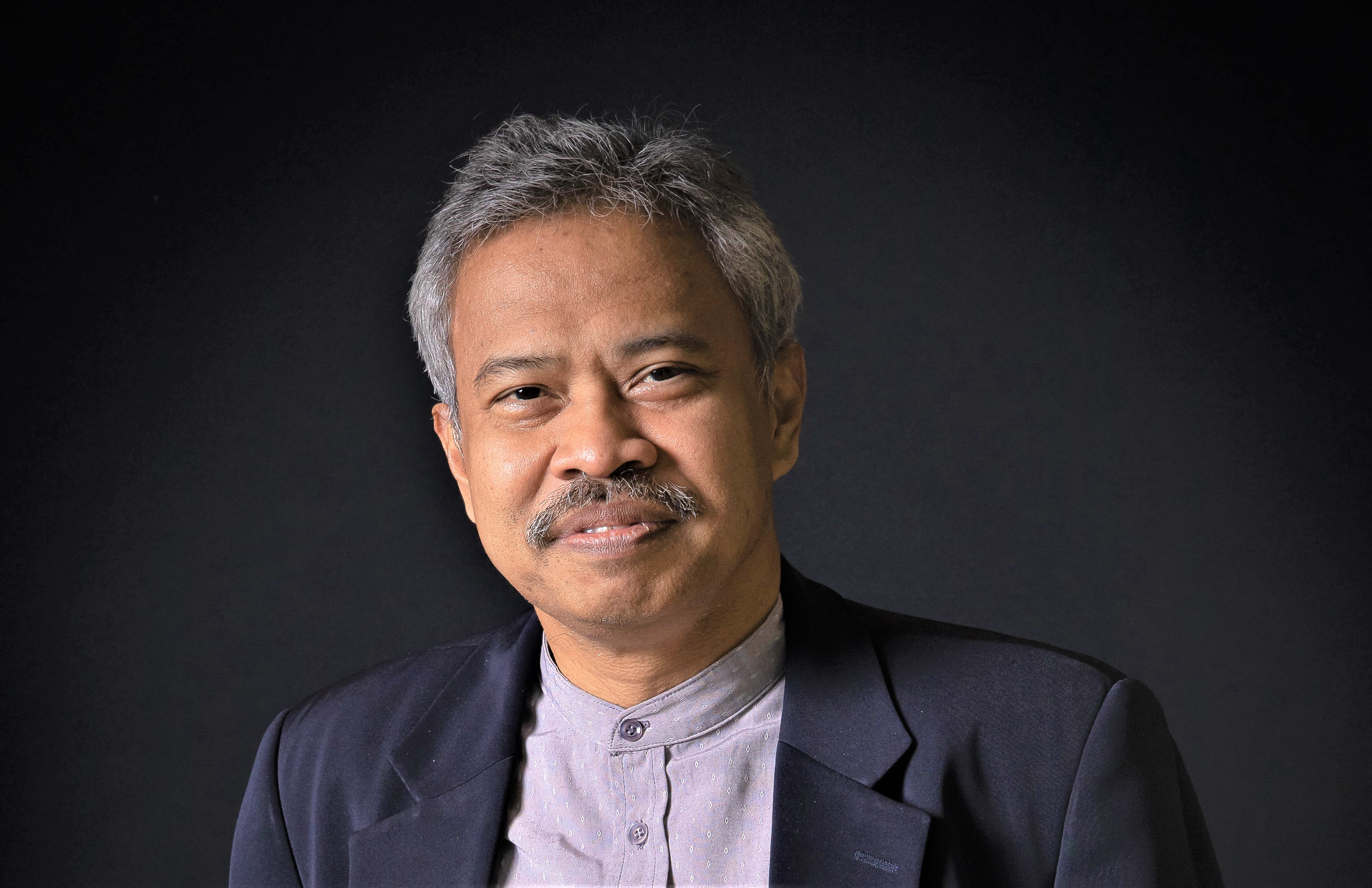
Former Deputy Vice Chancellor of Universiti Malaysia Sarawak (UNIMAS), Prof. Datuk Mohd Fadzil Abdul Rahman, said the limited changes showed the Prime Minister had opted for refinement rather than a sweeping overhaul of the Cabinet.
He said the retention of most ministers, particularly in key portfolios, reflected an emphasis on continuity and long-term governance over short-term political reactions.
“Leadership changes, while noticeable, are not the be-all and end-all when it comes to policy continuity.
“What matters more is whether the government can deliver on its plans, and this reshuffle seems aimed squarely at strengthening implementation and accountability, rather than making dramatic political statements.
“For governance watchers, the takeaway is clear – frameworks matter, delivery matters, and leadership changes are only part of the picture,” he said when contacted.
Fadzil said continuity was especially critical for ministries with long-term responsibilities such as education, the economy, health, trade and foreign affairs, where frequent leadership changes could slow progress.
He said programmes in these sectors often took years to bear fruit, and unnecessary leadership changes risked creating uncertainty and weakening delivery.
He added that while past controversies may have fuelled public calls for immediate action, the reshuffle suggested long-term planning had taken precedence over short-term sentiment.
“Past controversies may generate calls for immediate action, but the reshuffle indicates that long-term planning took precedence over short-term public sentiment.
“Strong civil service leadership remains the backbone of continuity. Secretaries-General, Directors-General and senior officers ensure that programmes keep running smoothly, regardless of who occupies the ministerial chair.
“Clear frameworks, proper coordination between departments and structured handover processes mean that even when leaders change, policy delivery does not stall,” he explained.
Fadzil also said some ministries were more sensitive to leadership transitions than others, particularly those under constant public and investor scrutiny.
He pointed to the economy, finance, health and education as areas where leadership credibility directly affected confidence and service delivery.
He said repeated policy shifts, such as changes in the medium of instruction for science and mathematics, showed how disruptive poorly managed transitions could be.
“Flip-flopping policies, such as the repeated changes in science and mathematics instruction in English and Malay, highlight just how disruptive leadership changes can be if not handled carefully.
“Overall, this reshuffle feels like refinement rather than radical change. It is about realigning priorities, improving delivery and maintaining coalition balance, not rewriting the government’s agenda from scratch.
“The framework is broadly sound, and the focus now is on execution,” he added.
From a political perspective, Fadzil said the reshuffle also reflected the realities of governing within a coalition.
He said Cabinet decisions had to balance competence, representation, party dynamics and future electoral considerations.
He stressed that while not every stakeholder would be satisfied, maintaining momentum in governance remained the priority.
“The key is to ensure that long-term plans stay on track, and that ministries can continue delivering results,” he stressed.