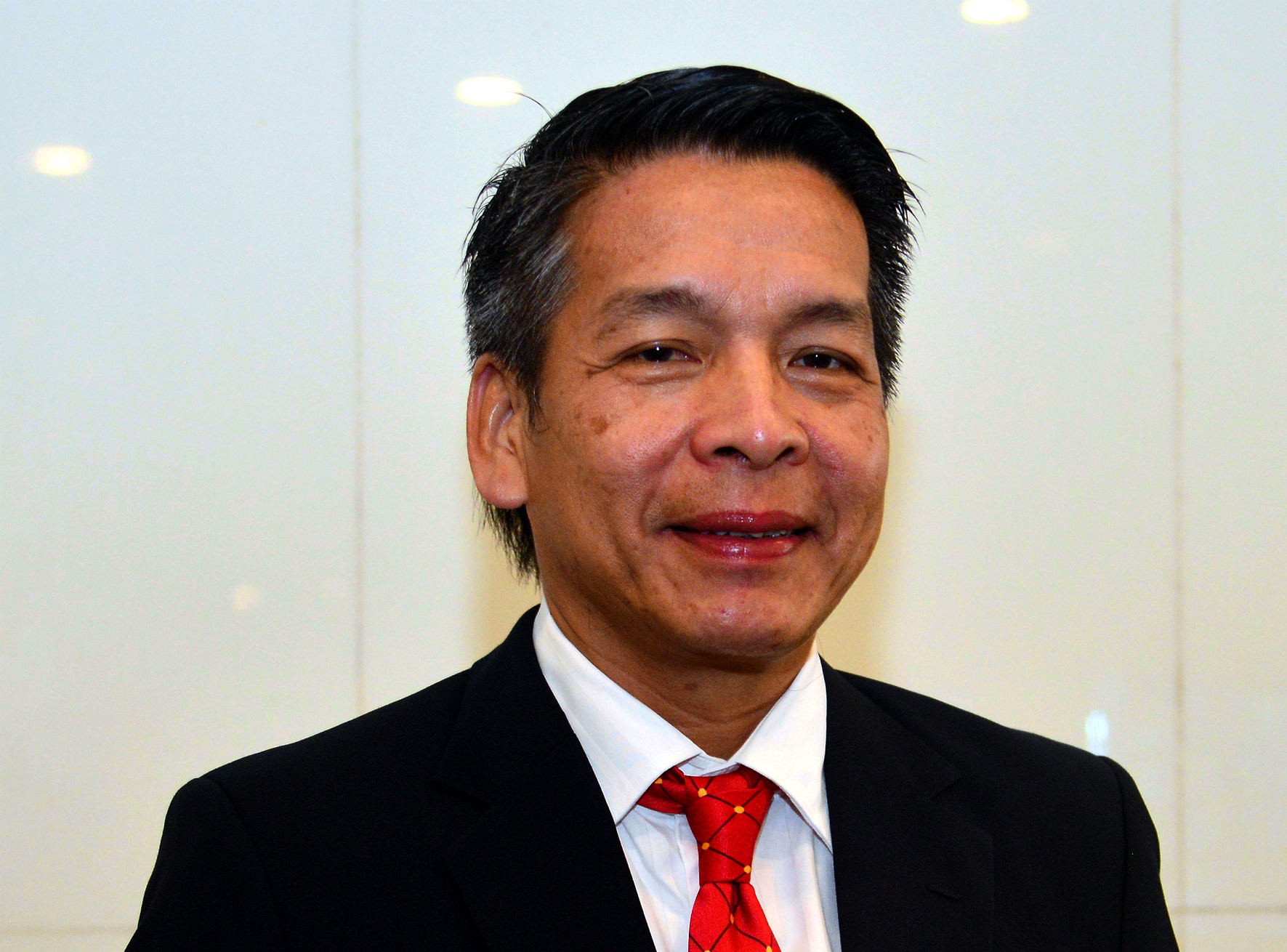
KUCHING: Telang Usan assemblyman Datuk Dennis Ngau has proposed the establishment of a dedicated unit under the Sarawak Premier’s Department to focus on the development of rural areas in the state.
He stressed the need for a specialised body to oversee and coordinate rural projects while debating on the 2025 State Budget in the State Assembly last Friday.
“Every year, we see a substantial budget allocated for rural development, yet the implementation often faces delays due to various challenges,” he said.
In this respect he said while multiple government agencies are involved in implementing these projects, there is a lack of consistent follow-up and coordination.
“As a wakil rakyat for over a decade, I have observed that rural projects often require extensive follow-ups, especially when it comes to approvals from local authorities or resolving land issues.
“These delays are not due to negligence but the sheer workload of these agencies,” he said.
He proposed that the new unit, reporting directly to the Premier’s office, would complement existing ministries by ensuring proper coordination and monitoring of rural projects.
“This unit is not meant to marginalise the efforts of any ministry but to streamline the process. With direct reporting to the Premier, it can ensure that rural development programmes are implemented according to the approved plans,” he explained.
Ngau also called for the relocation of the sub-district office in Long Lama to Long San.
This suggestion, supported by local community leaders, stems from a series of discussions held by the Telang Usan District Office over the years.
“Long Lama has been upgraded to a full district, and initial plans under the Baram Hydro Master Plan were for the district office to be in Telang Usan. However, we believe that a government service centre in Long San will better serve the needs of rural communities, particularly those in less accessible areas,” he said.
He urged the relevant authorities to expedite the establishment of the Long San Sub-District Office to fulfill the government’s promise of delivering quality services to rural residents.
“This step will ensure that even the most remote communities can access essential government services efficiently,” he added.