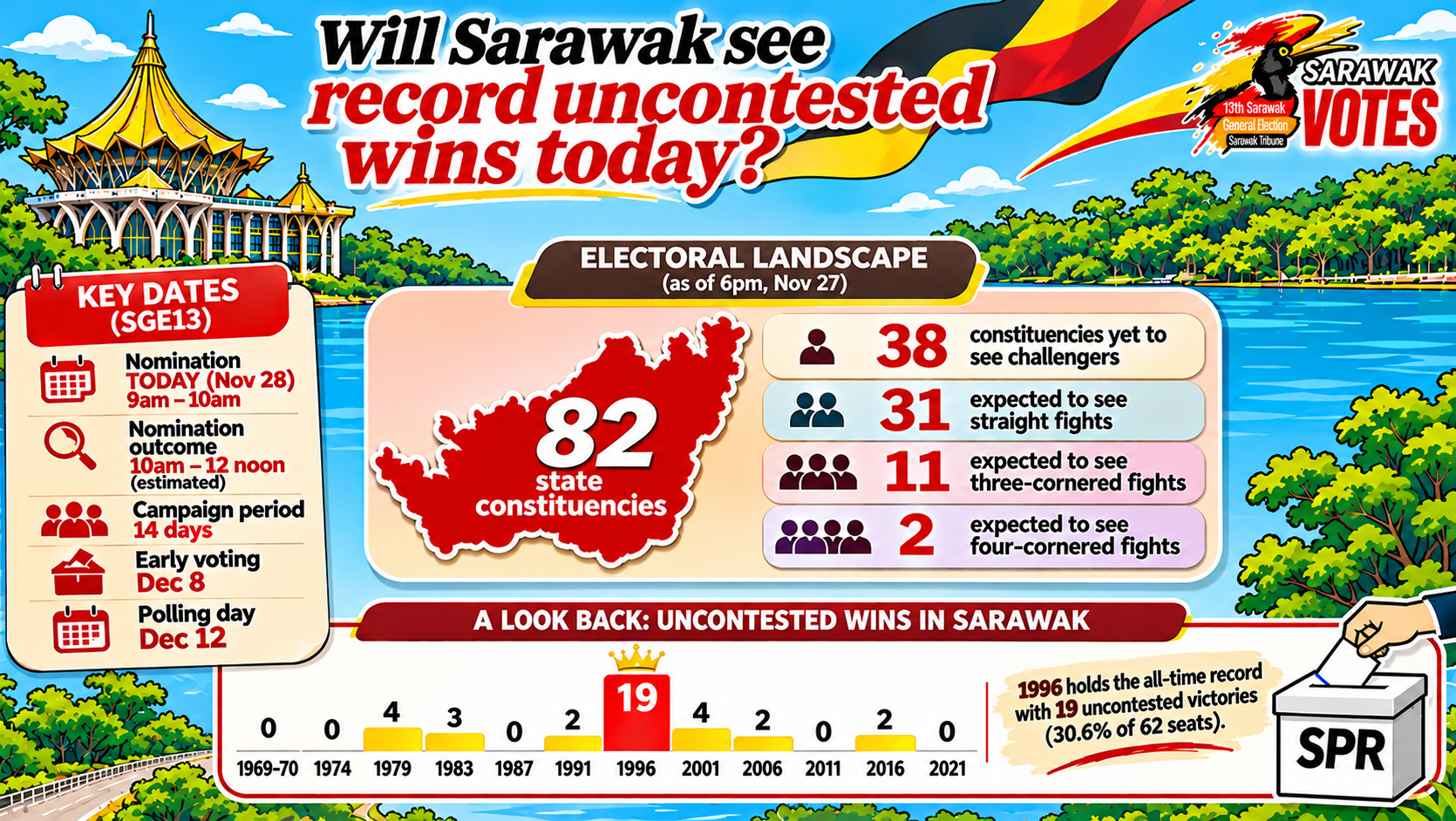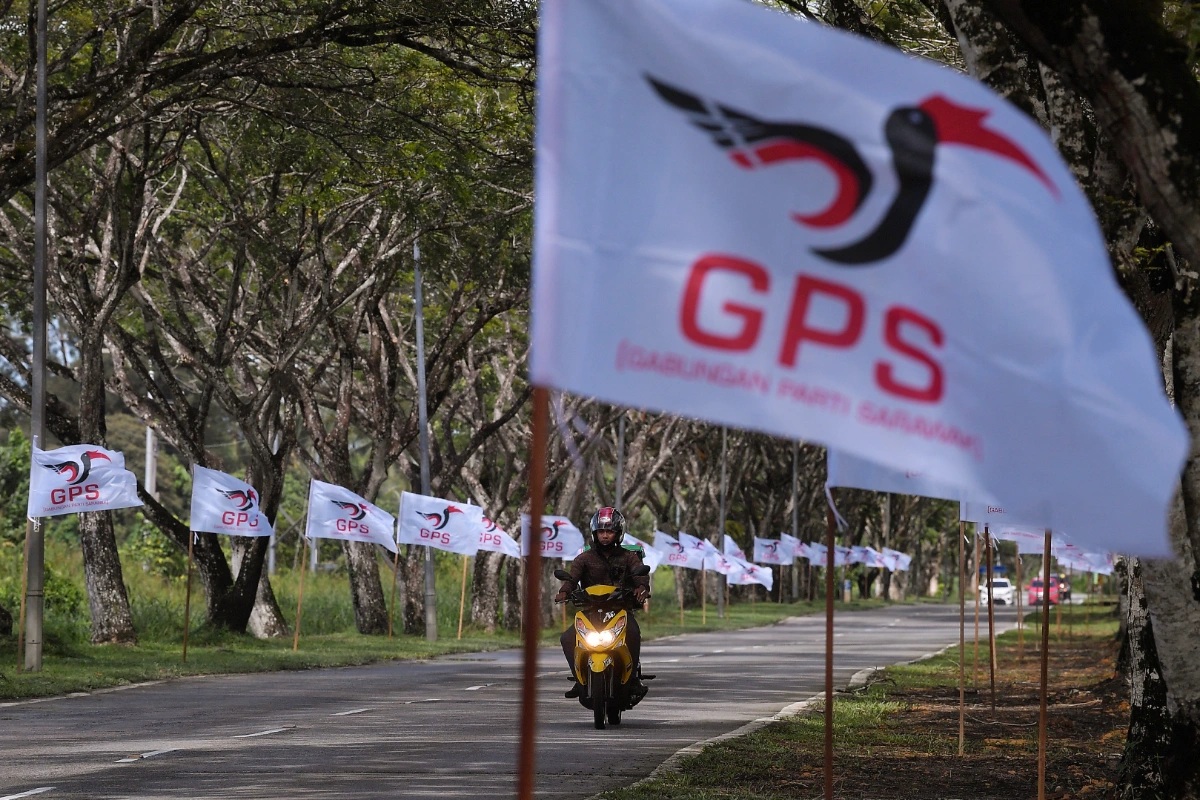
KUCHING: Campaigning for the 13th Sarawak general election begins today (Nov 28), immediately after the nomination process, with the Election Commission (EC) reminding candidates and political parties to comply with the Election Offences Act 1954 and other regulations throughout the campaign period.
In its guidelines on campaign procedures, EC outlined the dos and don’ts covering public gatherings, campaign conduct, campaign materials, restricted areas and the removal of materials after polling day.
The guidelines are aimed at ensuring that campaign activities are conducted peacefully, in an orderly manner and in accordance with the law.
DOs: What candidates and parties can do
EC stated that candidates or their election agents may conduct election campaigns during the official campaign period and open or maintain campaign offices within the constituencies they are contesting.
For public gatherings and ‘ceramah’, candidates must obtain a police permit before holding any gathering or speech. Such activities must be conducted peacefully, in an orderly manner and in compliance with the law.
Speakers must also observe the conditions and time limits stipulated in the police permit and ensure that their gatherings do not cause disturbances or disorder.
On campaign conduct, EC said comments about candidates or political parties should be confined to their respective policies and programmes.
“All methods and campaign materials are permitted, provided they do not promote ill will, dissatisfaction or hostility, provoke others or contravene the provisions of the Election Offences Act 1954,” EC stated in its campaign guidelines.
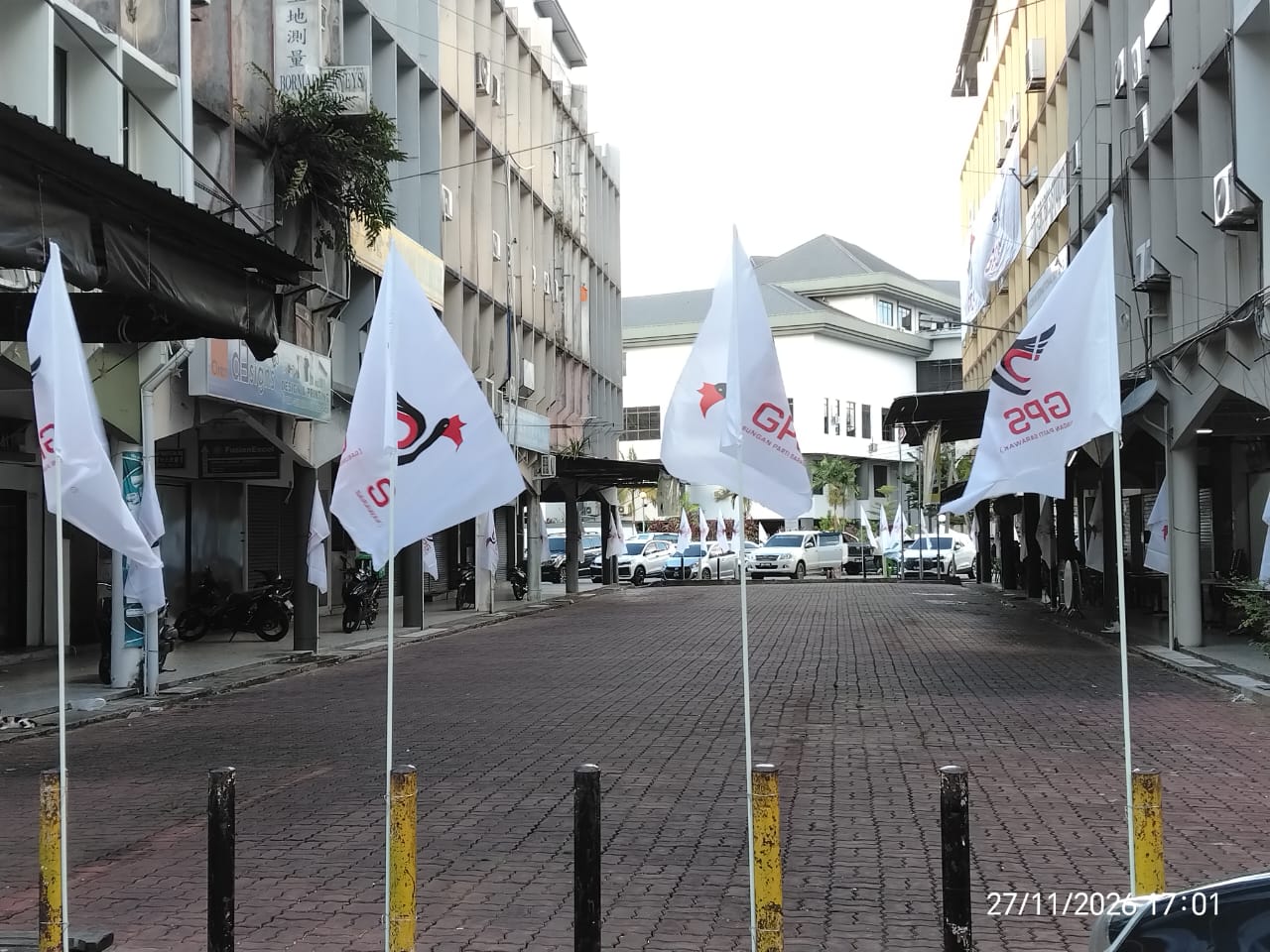
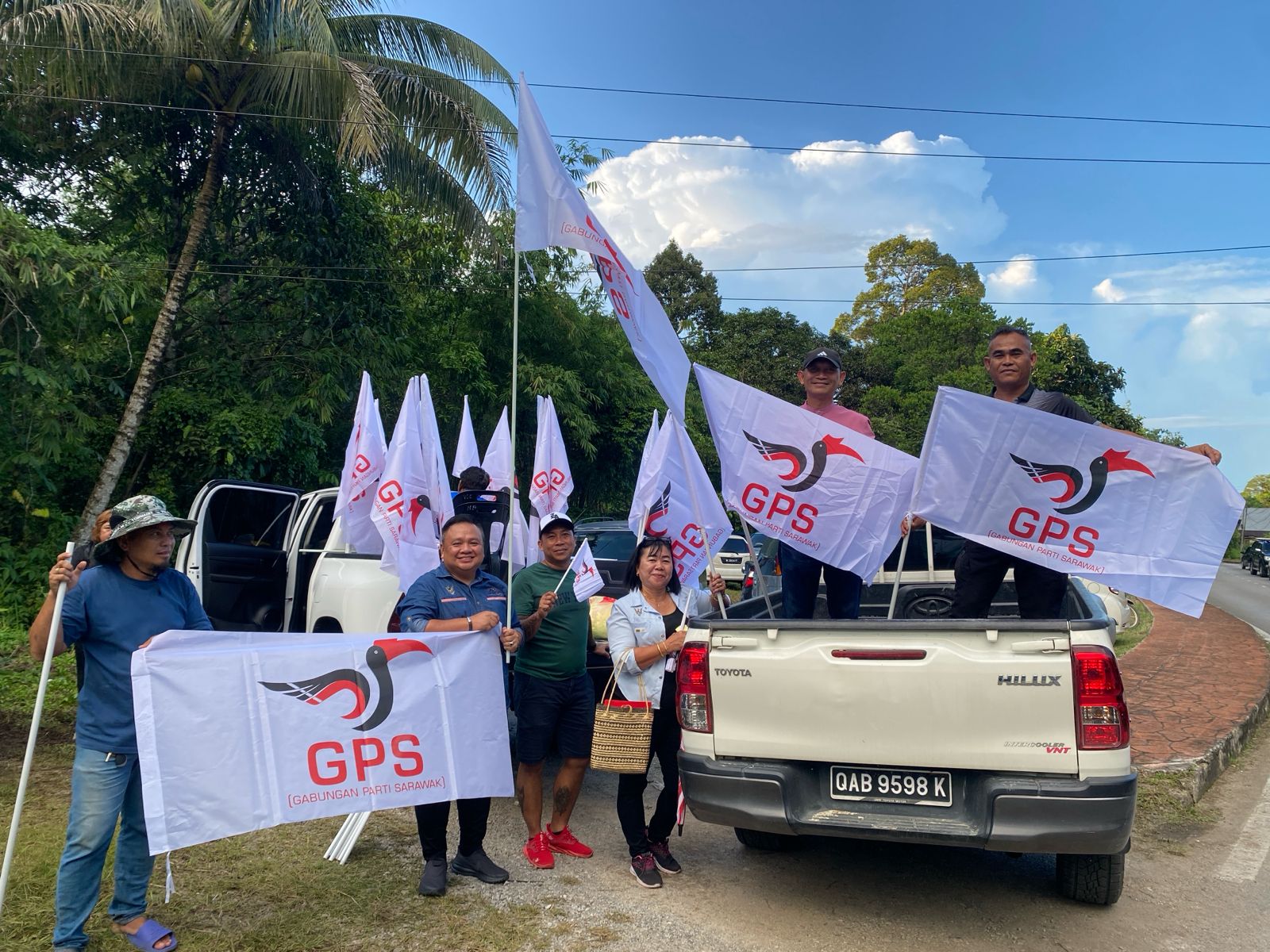
Political parties may display the flags, symbols and emblems of parties whose candidates are contesting in the respective constituencies.
Symbols of registered component or allied parties that are not contesting may also be displayed, provided they appear together with the contesting party’s materials on the same printed item.
There is no limit on the use of photographs of leaders from contesting parties, their component parties or coalitions in campaign materials.
Printed campaign materials, including advertisements, leaflets, stickers and posters, must carry the names and addresses of their printers and publishers. This requirement does not apply to flags, party-symbol posters and photographs of party leaders or contesting candidates.
Candidates must also pay a campaign material deposit to the State Election Director, amounting to RM3,000 for a State Legislative Assembly contest and RM5,000 for a parliamentary contest.
They are required to obtain approval from the relevant local authorities before putting up campaign materials and must comply with the Election Offences Act 1954, local authority by-laws and other election-related laws.
DON’Ts: What candidates and supporters must avoid
EC prohibits the publication of seditious material or false statements of fact relating to a candidate’s character or personal conduct.
Candidates and their supporters must avoid making personal attacks in public based on slander, defamatory remarks or baseless allegations against any individual, including candidates and political parties.
They must also refrain from acts that could create hatred or hostility between races, ethnic groups or religions, or exploit racial and religious sentiments to solicit votes.
Campaign activities are not allowed at mosques, churches, temples, other places of worship or religious premises.
The use of government-owned premises, vehicles and communication equipment for campaigning is also prohibited.
Public buildings or facilities cannot be used for political gatherings or campaigns without written permission from the authorities responsible for those premises.
Candidates and their supporters must not use land, buildings or premises to erect flagpoles, put up banners, paste notices or display other campaign materials without the consent of the property owner, local authority or relevant party.
Campaign posters and banners that could endanger road users are prohibited, as is any interference with campaign materials belonging to other candidates or political parties.
Campaign materials must not be displayed before the official campaign period begins. Materials that have not been approved by EC and the relevant local authorities are also not allowed. Candidates must ensure that the required deposits have been paid and local authority permits obtained.
POLLING DAY: 50-metre restricted zone
On polling day, campaign materials must not be displayed within 50 metres of the boundary of a polling centre.
Within this restricted zone, candidates and their supporters are also prohibited from opening or operating political party offices or booths, canvassing for votes, or wearing, holding or carrying clothing and items bearing candidates’ names, party names, logos or symbols.
AFTER POLLING: 14 days to remove campaign materials
Candidates or their election agents must remove all displayed or pasted campaign materials within 14 days after polling day.
Failure to do so may result in the candidate’s deposit being forfeited and paid into the Federal Consolidated Fund.
The State Election Director may also arrange for the materials to be removed. If the removal costs exceed the deposit, the additional amount will become a debt owed by the candidate to the Federal Government.
ENFORCEMENT AND PENALTIES
EC’s Election Campaign Enforcement Team may remove or arrange for the immediate removal of campaign materials that violate election-related laws.
The team may also stop public speeches or gatherings that fail to comply with election laws and, where necessary, request police assistance to detain the individual concerned.
Under the Election Offences Act 1954, anyone convicted of violating the relevant provisions may face imprisonment for up to one year, a fine of up to RM3,000, or both.
Members of the public can submit complaints or feedback through the EC website at www.spr.gov.my, under the ‘Aduan dan Pertanyaan’ section. They should select ‘Kempen Pilihan Raya / Pembangunan Operasi dan Pemantauan’ under the Headquarters section, complete the required details and attach supporting documents, if any, before submitting the complaint.