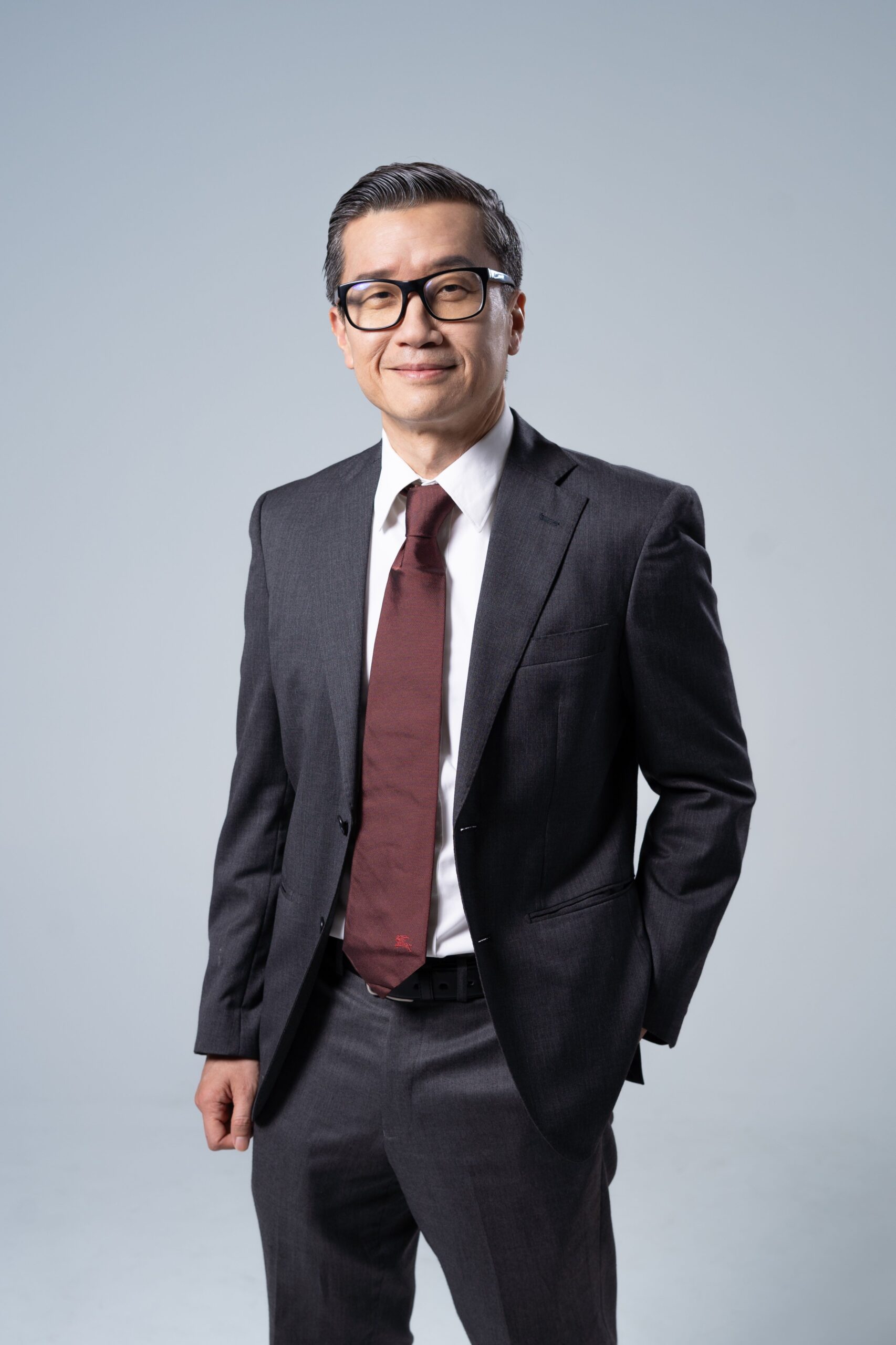
Cancer remains one of the most pressing health concerns in Malaysia today, affecting people across all ages and backgrounds. With advancements in medical science and a growing emphasis on early detection, outcomes are improving — yet fear and misinformation persist. In this informative Q&A, Dr John Low, CEO and Senior Consultant Clinical Oncologist at OncoCare Cancer Centre Malaysia, offers clarity on the current cancer landscape, debunks common myths, and highlights why awareness and timely action can make all the difference.
Facing cancer with knowledge, not fear
LIFE can be tragic, as it is unpredictable and sudden. One moment we are healthy and happy; the next, we may be diagnosed with cancer. According to a Department of Statistics Malaysia (DOSM) 2023 report, cancer is the fourth leading cause of death in the country.
Meanwhile, the Malaysia National Cancer Registry Report 2017 to 2021 states that the top five most common cancers are as follows: breast cancer; colorectal cancer; lung, trachea, and bronchus; lymphoma; and liver. Because of this, many fear the consequences of receiving a positive cancer diagnosis.
Life is but a fleeting moment — whereby just knowing that our days are numbered daunts us. When it comes to cancer, most of us feel a mix of fear, confusion, and uncertainty. But the truth is, understanding cancer better could save lives.
In this open and insightful Q&A, Dr John Low, CEO & Senior Consultant Clinical Oncologist at OncoCare Cancer Centre Malaysia, shares what every Malaysian needs to know — from cancer trends and recent advancements in treatment to common myths and misconceptions. His advice? Don’t fear it. Face it early, and you might just beat it.
Q: What does the cancer landscape in Malaysia look like today?
A: Cancer today is not what it was 20 — or even 10 — years ago. Yes, the incidence of cancer is on the rise, and it’s not just among the elderly. The good news is that survival rates have improved tremendously. This is the positive shift we’re seeing.
We now have more advanced treatments, earlier detection methods, and a better understanding of disease pathology.
The latest Malaysia National Cancer Registry Report 2017-2021 paints a sobering picture. Breast cancer remains the most commonly diagnosed, followed by colorectal, lung, lymphoma, and liver cancers. We’re also seeing more prostate cancer cases, likely due to increased awareness, screening, and earlier detection. Cervical cancer rates are dropping with the implementation of the national HPV vaccination programme.
Although cancer is more common than ever — with 1 in 8 Malaysians at risk — early detection and interventions are making a difference.
Isn’t cancer mostly an older person’s disease?
Not anymore. We are seeing more breast and colon cancers in Malaysians under 50. This may be due to rising obesity, sedentary lifestyles, and a shift away from a traditional high-fibre, low-fat diet to one with more processed and modern-day convenience food. Increased awareness and screening are also helping detect cancers earlier.
Being young doesn’t mean you’re immune. Your lifestyle today shapes your health tomorrow.
What are some cancer myths or “old school” beliefs you still hear?
Three common ones:
“Cancer is a death sentence”. Not true. Many cancers are treatable — even curable — especially when detected early. With more effective treatments available, survival rates have improved significantly.
“Sugar feeds cancer”. Cancer cells use glucose — but so do all your healthy cells. Cutting sugar alone won’t cure cancer.
What matters more is maintaining a balanced and nutritious diet to support your overall health during treatment.
“Traditional medicine alone can cure cancer”. Some traditional remedies may support wellbeing or alleviate side effects, but they should never replace evidence-based therapies like surgery, chemotherapy, or radiation.
Is the belief that cancer is always fatal still common?
Yes, but this mindset is changing — and rightly so. With advances like immunotherapy and targeted therapies, some stage four cancers can now survive for years. Cancer today can often be treated like a chronic condition. Many people continue to work, travel, and enjoy life during and after treatment.
Palliative care is also often misunderstood. It’s not about giving up, but about improving quality of life. Living with cancer is possible. Early detection, timely care, and emotional support make all the difference.
What are some early warning signs or symptoms people often ignore?
In Malaysia, many early cancer signs are brushed off due to fear, cultural beliefs, or misconceptions. Common examples include:
Sudden weight loss — often mistaken as the result of successful dieting, when it could signal stomach or pancreatic cancer.
Blood in stool — frequently dismissed as haemorrhoids or due to eating spicy food, when it can be an early sign of colorectal cancer.
People tend to delay check-ups, thinking “it’s probably nothing”—but this can cost precious time. Early detection can mean less aggressive treatment and a much better outcome.
As I always emphasise, it is better to check and be safe. Early action saves lives.
What do you say to someone who thinks, “I’m too young or healthy to need a screening?” How can they be more proactive about health checks?
No one wants to think about cancer, especially when they feel fine. But the truth is, cancer doesn’t care how young or healthy you are. We’re seeing cases of breast, colorectal, and even cervical cancer in people in their 30s. Lifestyle risks like processed foods, smoking, and air pollution don’t discriminate.
Think of screenings like car maintenance — you don’t wait for the engine to fail to change the oil. Rid procrastination, be in control. A quick check now could save you later.
Can lifestyle habits like diet, exercise, or stress really reduce cancer risk?
Absolutely. A healthy diet, regular exercise, not smoking, and managing stress all play a key role in lowering cancer risk. But the most effective protection comes from combining these healthy habits with regular screenings — especially if you have a family history of cancer.
Simple tip: “Kurang manis, lebihkan sayur” (less sugar, more vegetables) is more than a slogan. It’s a proactive step toward reducing cancer risk. It’s about taking charge and making smarter choices for your health every day.
What are some of the newer cancer treatments now available in Malaysia?
Surgical, radiation, and medical oncology — the three main cancer therapy modalities — have advanced in leaps and bounds in recent years. We now have a strong armamentarium to combat cancer. Robot-assisted surgeries with enhanced dexterity can now remove tumours from what were once difficult or impossible locations to access.
Modern radiotherapy, aided by artificial intelligence, can now track and deliver tumouricidal doses of radiation with pinpoint accuracy, causing minimal or no collateral damage.
Most impactful today is our deeper and better understanding of the root causes of cancer. Oncologists in this modern era can use targeted drugs that directly switch off the driver mutations in cancers. Immunotherapy is another modality, where cytotoxic agents are delivered on the back of conjugated monoclonal antibodies, which purposefully zoom in on the malignant cells whose immunogenicity we have identified.
These new, sophisticated therapies have vastly increased the chance of cure and effectively minimised potential adverse effects. It is without a doubt that we are closing in on this enemy.
What is “personalised cancer care” and why does it matter?
Personalised cancer care refers to treatment that is best suited to your cancer and its genetic profile, rather than adopting a one-size-fits-all approach. By focusing on the specific characteristics of your cancer — such as its genetic profile — we tailor the treatment to target the vulnerability directly. This precision not only improves treatment effectiveness but also minimises side effects, leading to better outcomes and an improved quality of life.
If there is one message you want every Malaysian to remember, what would it be?
Cancer is not a distant threat; it can affect anyone, regardless of age, gender, or lifestyle. However, early detection, regular screenings, and taking proactive steps for your health can make all the difference. Prevention and early action save lives.
Cancer is not the end — it can be a new beginning. Be aware, stay healthy, and most importantly, don’t wait. Your body is always speaking, so make sure you’re listening.