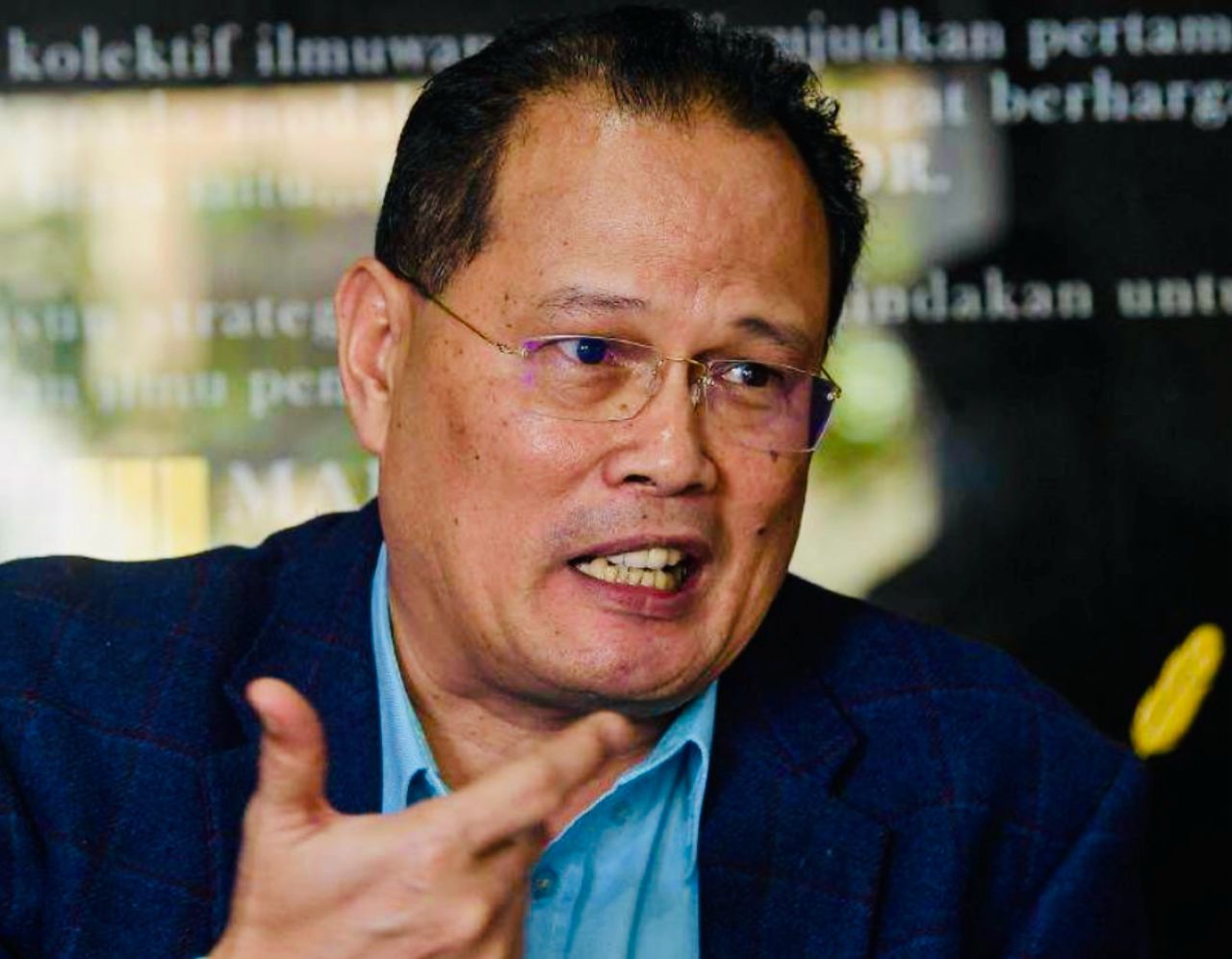
KUCHING: The federal government’s recent interest in adopting aspects of Australian and French social media ban laws for children under 16 years old reflects a proactive approach to digital safety for children.
However, lawyer Arthur Liang Dawat said implementing such laws in the country requires careful consideration of local challenges, including technological readiness and potential resistance from social media platforms and users due to privacy concerns.
“Effective implementation requires collaboration with parents, schools and tech companies.
“Ensuring accountability of platforms for harmful content and introducing penalties for non-compliance is essential.
“Additionally, I believe by incorporating mechanisms for swift removal of harmful material can improve digital safety,” he told Sarawak Tribune.
He added that if Malaysia wants to adapt such principles (Australian and French social media laws), it must be customised to the country’s cultural and religious sensitivies.
“For instance, they should consider societal values, multilingual communication strategies, and integration with local legislation like the Communications and Multimedia Act.
“The adaptation should respect both secular and Syariah principles, as applicable.”
He added that a dedicated regulatory authority, similar to the Australia’s eSafety Commissioner, should be created to oversee compliance, offer guidance to social media companies and enforce penalities.
“This body could also mediate between the government, social media platforms and users to encourage voluntary compliance and innovation.”
For this legislation to be fully benefit towards the parents, children and educators, Arthur said the government should launch nationwide campaigns to educate the public on the law’s benefit and obligations.
“These efforts can include school-based programmes for students, digital literacy workshops for parents and educators, and social media outreach campaigns targeting both youth and the broader public. Collaboration with NGOs, educators, and tech platforms would strengthen these initiatives.
“Research indicates that excessive social media use can negatively impact children’s mental health, leading to issues such as anxiety, depression and lower self-esteem. It also exposes them to cyberbullying and inappropriate content.
“Additionally, overuse of social media may affect academic performance and hinder social skills development. These studies suggest that limiting children’s social media access can help protect their wellbeing and encourage healthier offline interactions.”
Recent reports stated that Deputy Communication Minister Teo Nie Ching said the ministry is assessing how Australia and France intend to enforce such laws.
She said while teachers and the Malaysian Communications and Multimedia Commission have key roles to play in educating youths on responsible internet usage and safe online practices, parents play the most significant role.
“This issue first arises when parents provide their children with phones. How do we ensure that children under the ages of 13 or 16 do not download social media apps on their phones?
“Who will be responsible for monitoring this? If someone violates the law by downloading social media apps, who do we penalise – the parents, the children, or the platform providers? There are many practical issues that need thorough evaluation before any decision is made.
“Recent reports show that half of those aged 13 to 17 spend an average of three hours daily on their phones. This is a phenomenon that requires serious attention and the cooperation of all parties,” she said.