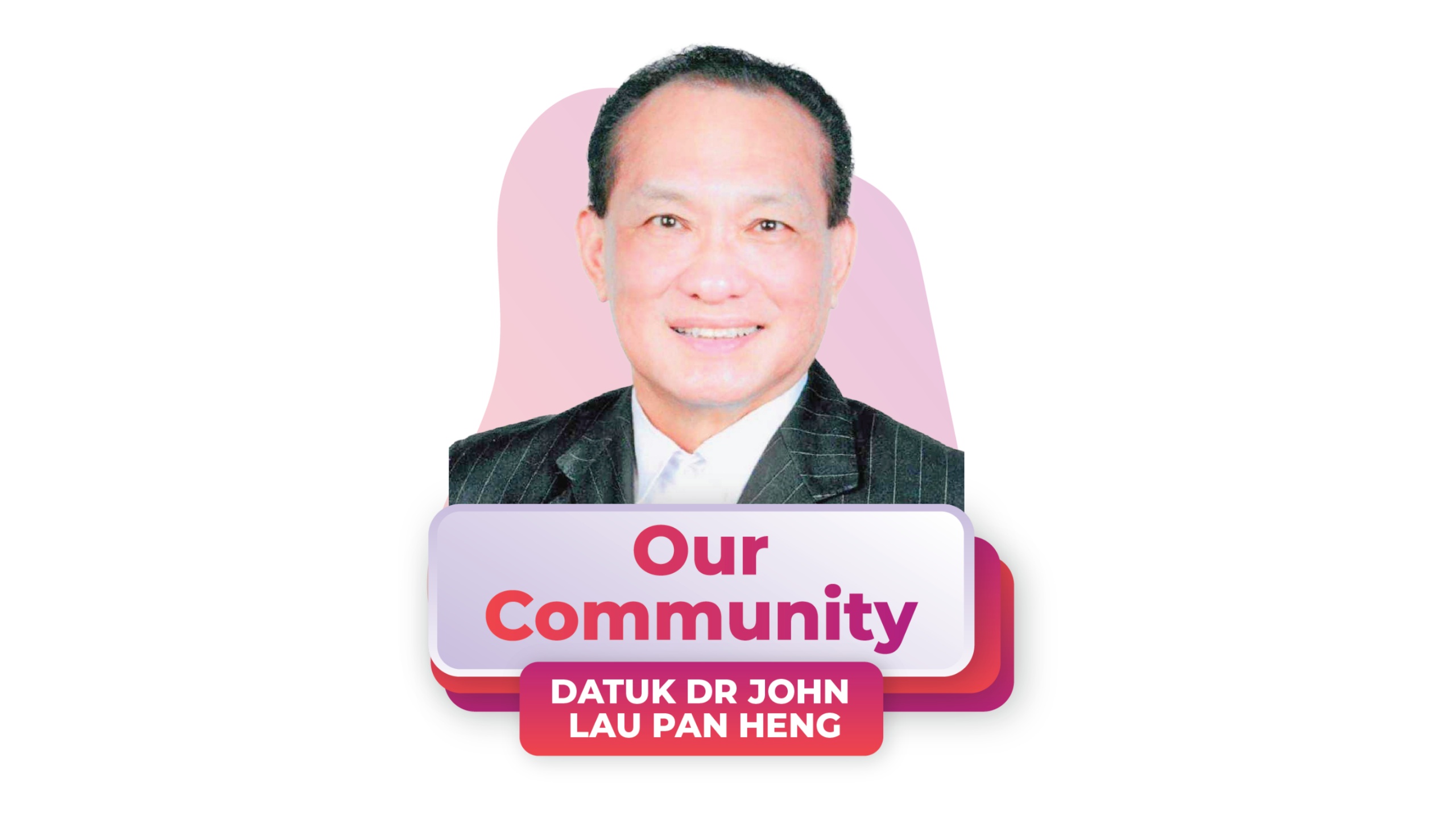
By Hema Letchamanan
As Malaysia celebrates Teachers’ Day Day, it is worth recognising a group of educators often left out of the national conversation: teachers of refugees. Despite playing a central role in the education of displaced children, their contributions and challenges seldom receive the acknowledgement they deserve. It is time we changed that.
These teachers work in community learning centres nationwide, often run by refugee communities. They are not assistants or temporary volunteers – full-fledged educators who prepare lessons, manage classrooms, and equip students with tools for a more secure tomorrow. For many refugee children, they are the only teachers they have ever known.
Since 2022, I have been leading the Night School Project, a Taylor’s University-affiliated initiative that delivers sustained, research-informed teacher education for educators of refugees working in alternative learning centres. Designed to bridge the gap between policy and practice, the programme equips teachers with inclusive pedagogical strategies, trauma-informed approaches, and professional development grounded in educational justice.
I have had the privilege of learning alongside them. I have seen how they draw on lived experience, multilingual fluency, cultural empathy, and sheer inventiveness to adapt curriculum and lead classrooms in the face of enormous challenges. They are teachers not because a system bestowed the title, but because they have claimed it by showing up daily, preparing lessons, mentoring students, and shaping futures.
Many carry unspoken burdens of trauma, uncertainty, and the daily precarity of refugee life. But they do not let those burdens define their teaching. They often transform their experiences into strength. One teacher once told me, “When everything else in their lives is uncertain, I want the classroom to be the one place that feels safe.” That, too, is pedagogy.
And yet, the conditions they work under are starkly unequal. Educators of refugees are not paid equally to teachers in public schools. Many receive modest stipends, and some receive none at all. With limited funding for learning centres, teachers often use their own money to buy markers, exercise books, or internet data for online lessons. The scarcity of resources does not deter them – it motivates them to be even more inventive. However, such commitment should not come at personal cost.
Despite all this, their contributions often remain on the margins in national discourse. Teachers of refugees typically do not have access to public teacher training programmes, professional networks, and education policy frameworks. While this gap may not be intentional, it reflects deeper structural barriers that deserve thoughtful attention and action.
We need to urgently reimagine our understanding of who a teacher is. Teaching is not the exclusive domain of certified professionals within government-recognised schools. Teaching is relational, contextual, and purposeful. By every meaningful measure, educators of refugees are teachers. They embody pedagogical leadership, emotional labour, and community stewardship, often without formal recognition and support.
To celebrate Teachers’ Day meaningfully, we must extend visibility and value to those working at the margins, meaning investing in the educators of refugees rather than through charity, but through partnerships, training, and policy inclusion. It means acknowledging that they are not temporary solutions or emergency stopgaps – they are central to the learning ecosystem for displaced communities.
Their classrooms may be humble, their materials limited, but their impact is profound.
This Teachers’ Day, let us honour all teachers, not just those within official systems, but also those who hold the line for children navigating the uncertainty of exile. Educators of refugees deserve not just applause, but recognition, respect, and support.
Because they are teachers, and we see them.
● Hema Letchamanan is the project leader for The Night School (TNS) Project, a teacher training initiative for educators working with refugee children. Placed under Taylor’s Impact Labs, the TNS Project is a six-month programme that has trained 62 Educators of Refugees across 18 alternative learning centres.
The views expressed here are those of the writer and do not necessarily represent the views of Sarawak Tribune.