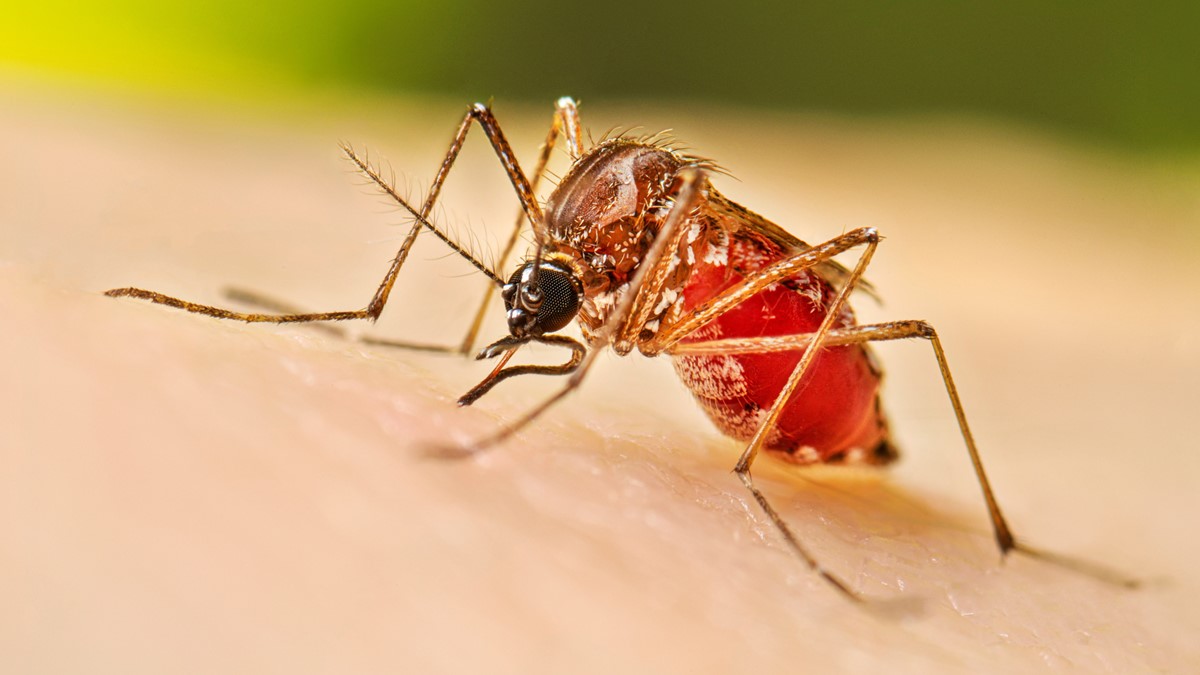
DHAKA, Bangladesh: Bangladesh reported eight deaths on Sunday from a dengue fever outbreak, bringing the tally for November to 86 people, the highest monthly toll this year, with an entomologist blaming climate change, Anadolu Ajansi reported.
The latest fatalities took the death toll so far in 2025 to 364, with the total number of cases increasing to over 90,264, including 778 new hospitalisations.
Of these, 87,442 returned home after recovery, according to the Bangladesh Directorate General of Health Services (DGHS).
Infections and deaths are now spreading across the country, including the southeastern city of Chattogram, the south-central city of Barisal, and the north-central city of Mymensingh, along with the capital Dhaka.
Entomologist at Jahangirnagar University, Prof. Dr Kabirul Bashar, told Anadolu that the increased number of infections was due to climate change, poor mosquito management, and unplanned urbanisation.
Winter in Bangladesh is considered to be from December to February, with temperatures usually starting to fall in November.
Rainfall also usually significantly decreases by the end of September, marking the end of the monsoon season. However, this year, even late October saw heavy and prolonged rainfall, according to data from the Bangladesh Meteorological Department.
“For the first time in the recorded past, November has become such a deadly month. It (increase in dengue cases) is because of the duration of the rainfall. The prolonged and delayed rainfall, even rain in late October this year, has caused a higher number of infections and deaths,” Bashar said.
Delayed rainfall influences dengue manifestation. The country’s weather and temperatures also remain favourable to dengue spreading and surviving, he added.
“This year’s dengue situation won’t see any major relief or improve significantly. A significant decrease in new cases will likely be seen from January next year,” he added.
Dengue-carrying mosquitoes thrive in temperatures between 20-30 degrees Celsius. The country sees a similar average temperature all year round. Even in winter, the temperature remains close to 20 degrees Celsius, which presents favourable conditions for dengue, according to Bashar.
In 2023, Bangladesh reported a record 1,705 dengue deaths out of 321,179 confirmed cases, according to DGHS, making it the country’s deadliest outbreak. – BERNAMA-ANADOLU