KUCHING: Community leaders under the Village Development and Security Committee (KMKK) have been urged to make full use of their term in office to drive development in their respective areas and contribute towards Sarawak’s aspiration of becoming a developed region by 2030.
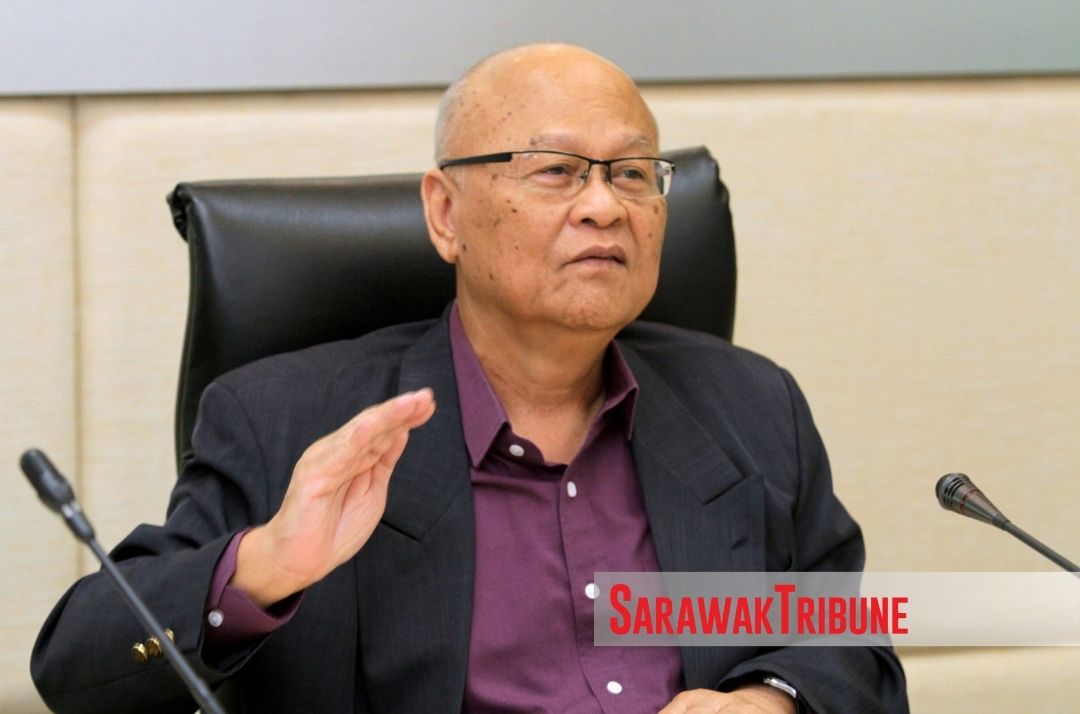
Deputy Minister in the Premier’s Department (Project Coordinator for Regional Development Agencies, DBKU and Islamic Affairs), Datuk Dr Abdul Rahman Junaidi, said community leaders serve as an important bridge between the government and the people, and should remain proactive in identifying local needs while ensuring development initiatives are effectively implemented.
“When we are entrusted to serve as penghulu, village chief, community leader or kapitan, that is when our service is most needed to develop our communities in every aspect.
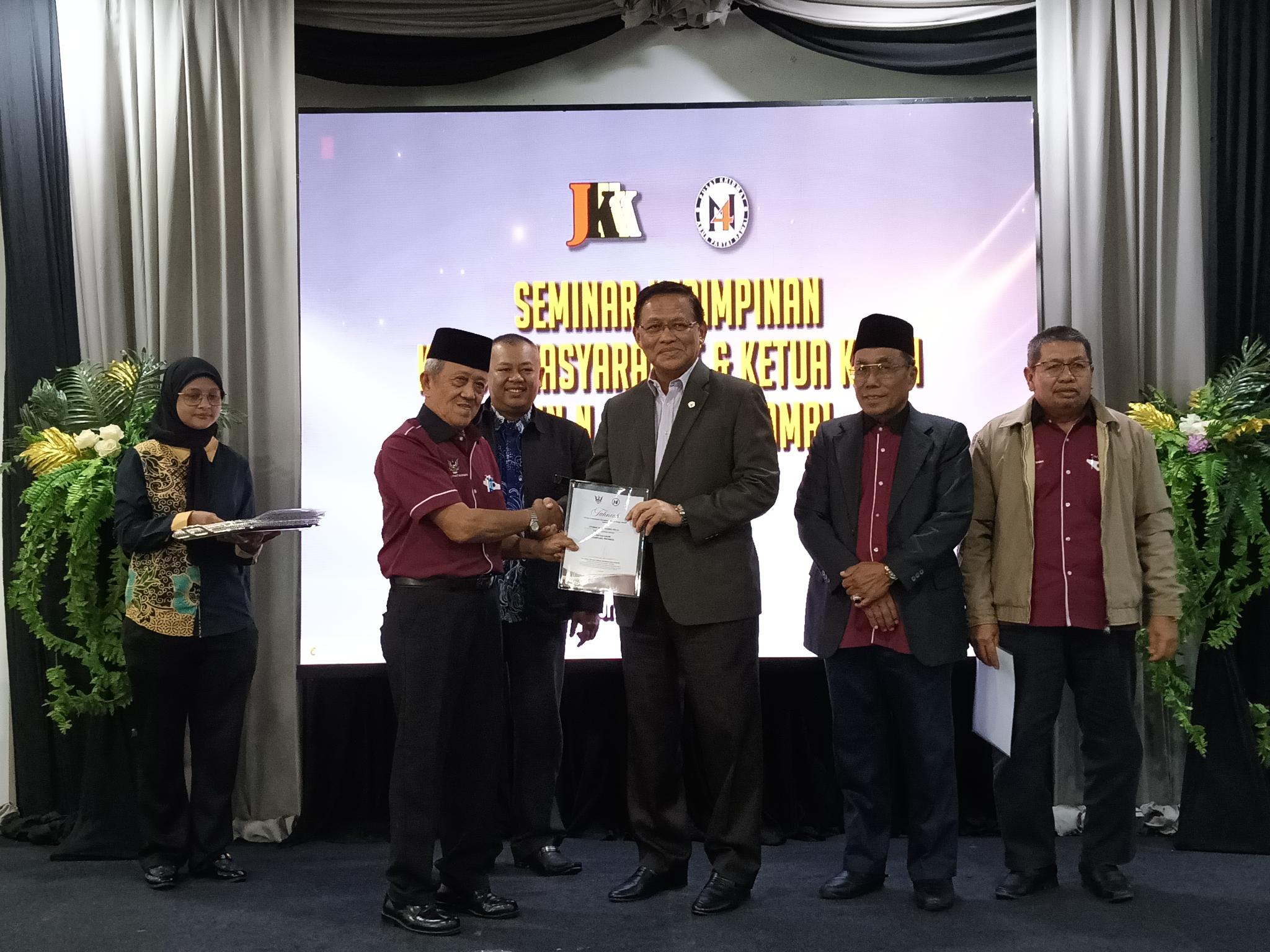
“We must understand the needs of our villages and work continuously to address them throughout our tenure, whether it is for three years or several decades,” he said when officiating the Pantai Damai Constituency KMKK Leadership Seminar at Dormani Hotel on Thursday (Aug, 6).
Speaking on Sarawak’s 2030 development agenda, Dr Abdul Rahman said KMKK leaders should embrace the leadership approach of Premier Datuk Patinggi Tan Sri Abang Johari Tun Openg, which emphasises the need to accelerate development.
“The Premier wants Sarawak to become a developed region by 2030. We cannot continue working at the usual pace but must move faster to ensure development goals are achieved,” he reiterated.
“Over the next four years, we need to identify what essential facilities or services are still lacking in our communities so they can match the standards of a developed region.”
He stressed that development should not focus solely on infrastructure but must also improve the socio-economic well-being of the people, including reducing poverty by raising household incomes.
According to him, education remains one of the most effective ways to break the cycle of poverty, in line with the Sarawak government’s initiative to provide free tertiary education at state-owned higher learning institutions.
“Education creates opportunities to improve household income and transform the future of families,” he said.
“That is why we must encourage our children to study hard so they can further their education and benefit from the free higher education opportunities provided by the Sarawak government.”
Dr Abdul Rahman also called on all KMKK leaders in Pantai Damai to continue working closely with the government to ensure development programmes are successfully implemented for the benefit of the people.
He added that the annual leadership seminar aims to strengthen leadership knowledge and skills among KMKK members, enabling them to become more effective community leaders.
“We want to produce community leaders who not only excel in Pantai Damai but also serve as role models for the rest of Sarawak.”