KUCHING: Sarawak needs more locally relevant data and stronger safeguards to ensure artificial intelligence (AI) systems can better understand and serve its diverse communities.
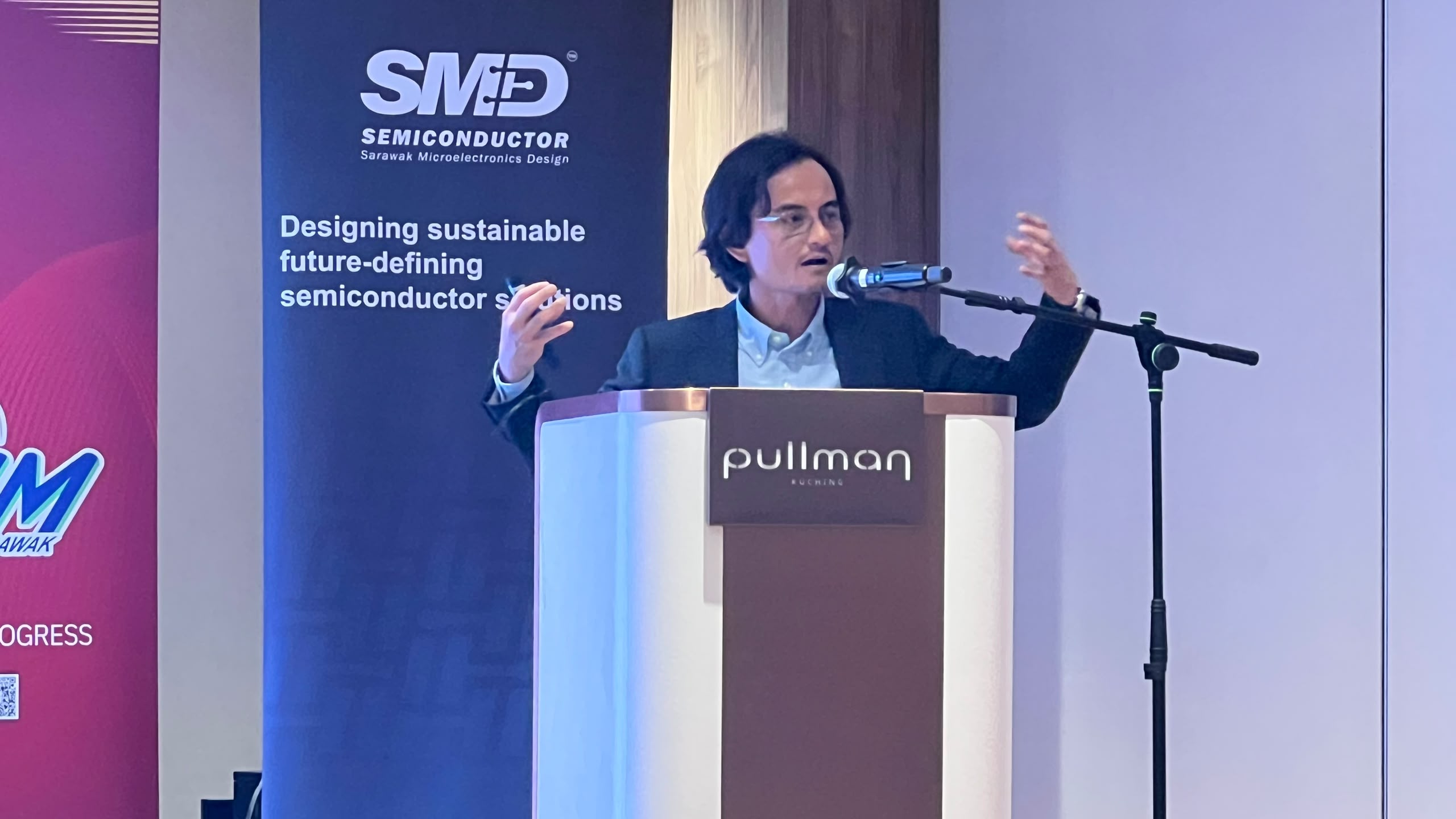
The director of Technology and Statecraft at the Foundation for American Innovation (FAI) Joshua Levine said achieving this required a responsible approach to AI adoption, with organisations paying attention to six key areas namely governance, data, cybersecurity, intellectual property, transparency and responsible use.
“These areas are important in ensuring AI systems are useful, reliable and accountable, particularly as businesses and government agencies increasingly explore their potential,” he said.
He said during his presentation, titled “Six Practical Areas for Safe AI Use”, during the US-Sarawak AI for Business Programme 2026 here Monday (Nov 23).
Levine added that data reflecting Sarawak’s ethnic and demographic diversity would be important in improving the accuracy and effectiveness of AI applications.
He said context-specific information could help AI models perform better, particularly in language-related tasks such as translation.
“One example here is, you know, in translation exercises. You know, US results have shown that having some context-specific data, as in the language that you’re trying to work on, as well as other languages that are closely associated with it … can improve efficacy and accuracy.
“In Sarawak, you know, there’s a broad diversity of ethnic and demographic groups here.
“So, having more data, or data that is specifically focused at for serving these groups, is going to be critically important,” he said.
Levine said responsible AI adoption also required continuous monitoring and evaluation to determine whether the technology was delivering its intended outcomes.
He suggested incorporating regular review cycles into the Sarawak AI Blueprint 2026 to 2030 to assess progress, identify shortcomings and make improvements throughout its implementation.
“I think ultimately this is where the Blueprint for AI 2026 to 2030, you know, I would recommend trying to build in or incorporate, review cycles and throughout the timeline, going back and evaluating: did it actually work? If it didn’t work, where did it fall short?” he said.
He encouraged Sarawak to embrace AI while ensuring that its adoption remained measured and responsible.