KUCHING: Compassion and education are essential in correcting misconceptions and protecting families and communities, noting that people living with human immunodeficiency virus (HIV) deserve dignity and respect, said Kuching South City Council (MBKS) mayor Datuk Wee Hong Seng.
He emphasised that ending acquired immune deficiency syndrome (AIDS) requires strong partnerships, with the media playing a critical role in spreading accurate information, raising awareness and reducing stigma.
“This event Media Meets Communities event collaborating with The Sarawak AIDS Concern Society (SACS), as a meaningful initiative that reflects this year’s World AIDS Day theme, ‘End AIDS’.
“Ending AIDS requires strong partnerships, with the media playing a critical role in spreading accurate information, raising awareness and reducing stigma. Ending AIDS is a shared responsibility. Through unity, education, and compassion, we can build a healthier and safer city for all,” he said.
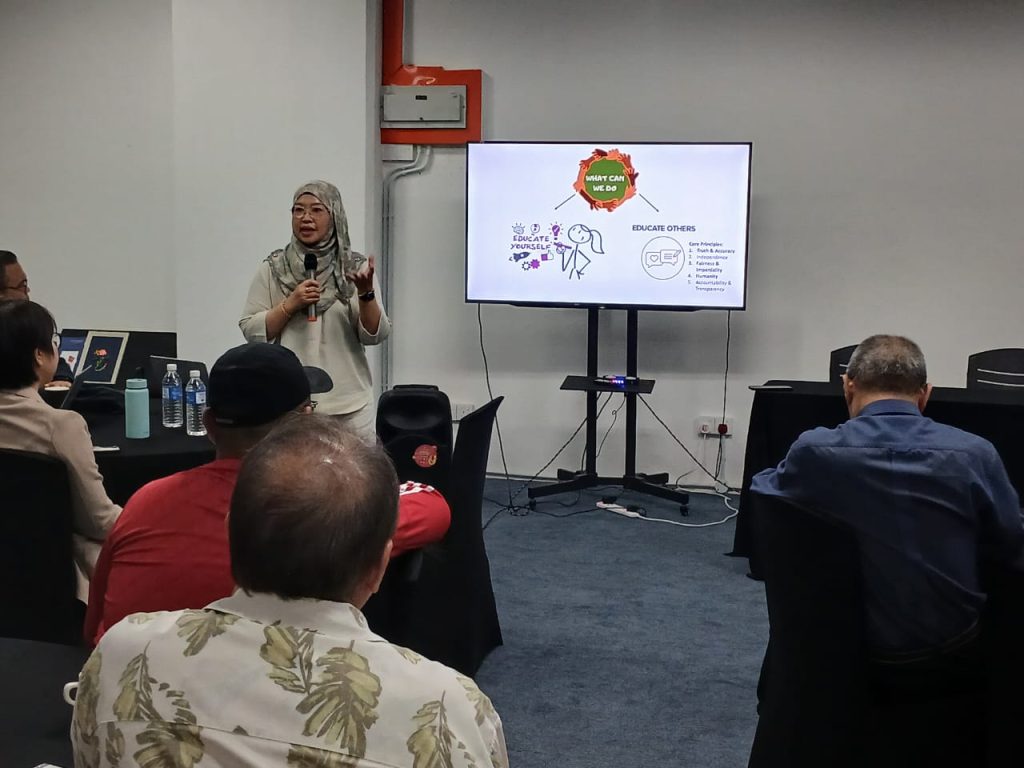
He was speaking at the World Aids Day 2025, a joint event of SACS and Kuching Division Journalists Association (KDJA) at Sosda Office, Boulevard Mall here on Saturday.
He also stressed the importance of early action, stating that verified data shows the situation cannot be ignored and that prevention must become part of daily practice, similar to lessons learned during the COVID-19 pandemic.
He acknowledged the long-standing efforts of community organisations and volunteers working on HIV and AIDS prevention and reaffirmed the city council’s readiness to support collaborative initiatives.
“To truly end AIDS, we must overcome disruptions and transform our response, and this can only be achieved through strong partnerships. This is where the media, especially social media, plays a crucial role. The media helps spread awareness, reduce stigma and deliver accurate information. Its role is extremely important in shaping public understanding and attitudes towards HIV and AIDS.
“Today’s gathering reminds us that compassion is one of the strongest tools we have. When we correct misconceptions, we protect families and families, including our friends, neighbours, and the wider community. When we treat people with kindness instead of judgment, we give them the opportunity to live with dignity and that dignity must be respected,” he said.
He added, by educating the community through the media, using facts instead of fear, the society build a safer and healthier environment for everyone.
“This is what we are striving for and it requires collective effort. We cannot ignore the numbers. The figures are alarming, but they are facts verified by hospitals. They cannot be dismissed. We should not wait until the situation worsens before taking action.
“This situation is similar to COVID-19. The virus is still present, but over time, people tend to forget simple preventive practices. Prevention must become part of our daily norm. Do not wait until the problem escalates, understand the reality early and respond accordingly,” he said, while acknowledging the associations and community organisations that have long been doing their part.
Wee also said, as a city council, they have facilities and resources, and are ready to assist in any way possible, including the challenges faced by community workers, including harassment during outreach activities.
“If support is needed, they can reach out to us, we will be there. This is an issue that must be addressed. Enforcement agencies should review their approach. If assistance is required, MBKS enforcement officers are prepared to help, including providing escorts where necessary. Protecting the community, through awareness, enforcement, or support is part of the city council’s responsibility.
“We are also placing strong emphasis on awareness programmes in schools. Through our Child Council, which consists of 20 members, we hope to organise talks and outreach activities to educate young people as part of long-term prevention efforts,” he said.
Meanwhile, SACS, established in 1998, is marking 27 years of service in championing HIV and AIDS awareness, prevention and care across Sarawak.
Its president, Stevie Astly Robbart said the organisation continues to focus on community-based outreach, education, and support for people living with HIV as well as populations at higher risk.
“Our services include awareness talks in schools and public spaces, free HIV and sexually transmitted disease (STD) screenings, and targeted outreach programmes for at-risk communities, including Women at Risk (WAR),” he said.
He added, with funding support from the Ministry of Health (MOH), SACS deploys community health workers to identified hotspots to provide testing, counselling, and prevention services, including PrEP referrals. Individuals who test positive are referred to Helath Clinics (KK) for confirmation, treatment, and ongoing care.
“SACS also offers peer support programmes for people living with HIV and collaborates with agencies to provide skills training and job placement assistance. In addition, the organisation conducts rural outreach and awareness programmes, subject to project funding,” he said.
He also said, despite its achievements, SACS faces challenges including limited manpower, stigma and legal constraints affecting outreach efforts.
“HIV is a lifelong condition but stigma should not be. SACS remains committed to reducing discrimination and ensuring no one is left behind,” Stevie added.