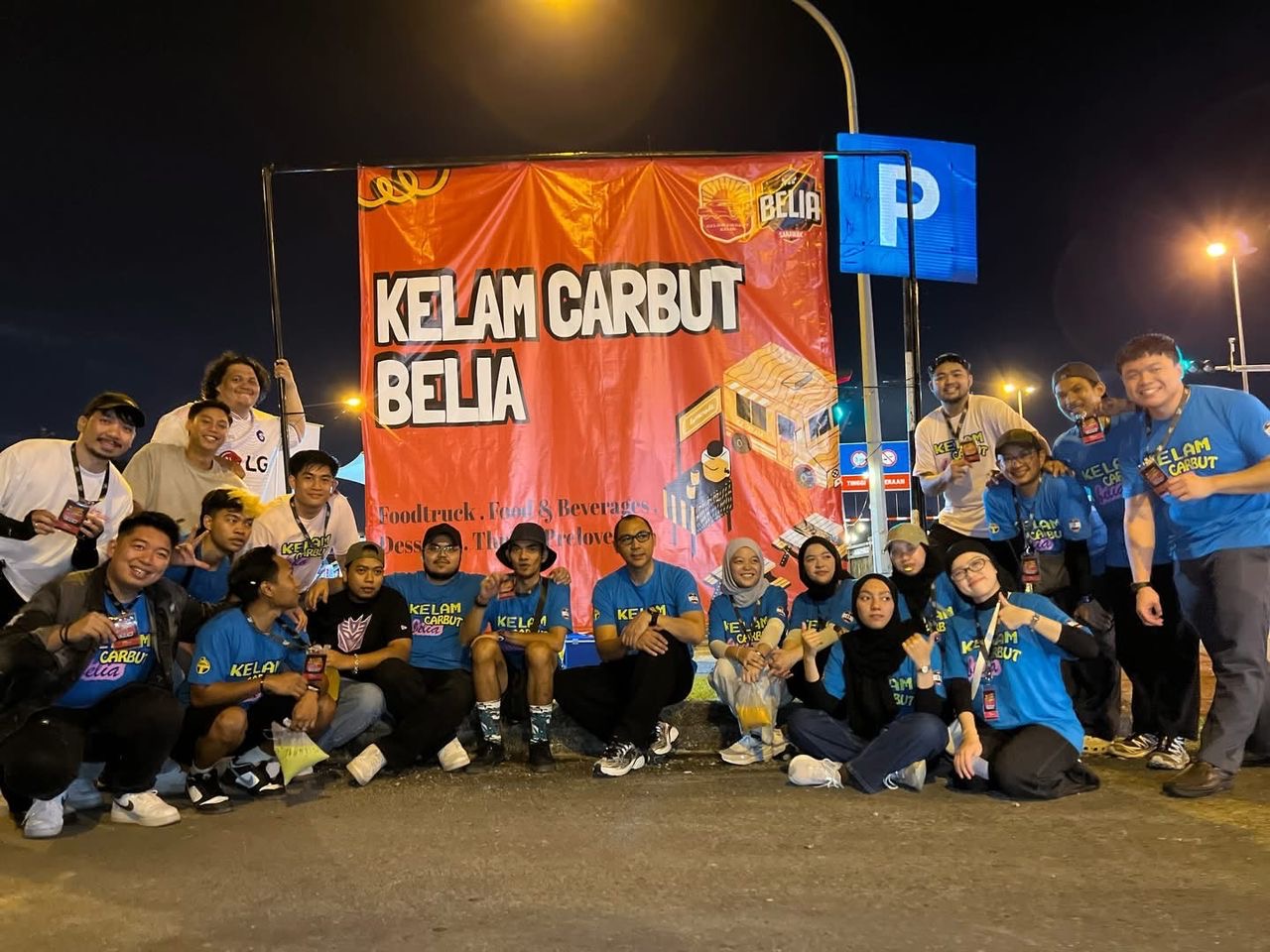
SARAWAK’s tourism industry post COVID-19 would not have been able to recover and thrive without the strong support of the creative industry.
The sector has proven to be more than just an economic driver — it has become a catalyst for innovation, storytelling, and branding that helped the state re-emerge on the global tourism stage.
From music, film, and cultural showcases to digital campaigns and creative content, the industry worked hand in hand with tourism players to keep Sarawak’s image alive during the pandemic.
In tandem with the Ministry of Tourism, Creative Industry and Performing Arts’ support for digital innovation, these efforts ensured that when borders reopened, the state was not only ready to welcome back visitors but also able to offer them fresh, engaging experiences shaped by local creativity.
Today, the collaboration between tourism and the creative industry continues to strengthen Sarawak’s appeal. By blending heritage with modern expression, and tradition with technology, Sarawak is charting a new path that positions it as a distinctive destination in the competitive travel market.
This final part of the series will see the creative industry’s role in enhancing the state tourism’s appeal, the ministry’s support towards digital innovation, community-based toursim and the future of the Sarawak tourism industry by 2030.
Enhancing the state’s tourism appeal through creative works
Deputy Minister Datuk Sebastian Ting said the state’s creative industry played a vital role in enhancing Sarawak’s tourism appeal and cultural branding by showcasing the rich and diverse heritage of its 34 ethnic groups.
“With 19 categories under its creative industry ranging from visual arts, crafts, performing arts, music, fashion, to culinary arts and more, Sarawak leverages its cultural wealth to create authentic and immersive experiences for both domestic and international visitors,” he said.
He added that each creative sector was deeply rooted in the traditions, stories and practices of the local communities, with such uniqueness making Sarawak a distinctive heritage destination.
“Handwoven textiles like Pua Kumbu and Keringkam, traditional dances such as Ngajat and Alu Alu, and indigenous musical instruments like Sape’ and Jatung Utang reflect Sarawak’s rich cultural heritage.
“Along with Sarawak’s unique ethnic cuisine such as Manok Pansoh, Umai, Asam Siok, Kelupis, these elements contribute to a vibrant cultural identity that attracts tourists,” he added.
By promoting and investing in the creative industry, Ting asserted that Sarawak not only preserved and revitalised traditional and skills but also transformed them into contemporary and marketable assets.
“This strengthens the state’s cultural branding and positions Sarawak as a distinctive destination in the global tourism market,” he stated.
Supporting the digital innovation
As part of the tourism revival, Ting stated the ministry had and would continue to embrace digital innovation such as virtual tourism, e-commerce and creative content.
“Among the initiatives the ministry is currently supporting is assisting tourism operators, booking engines and improving digital visibility through Search Engine Optimisation (SEO).
“We are also supporting e-commerce adoption, by facilitating online sales, payment systems and tourism package bookings,” he said.
Ting stated that the ministry was utilising the Sarawak Tourism Board (STB) Intel platform to collect and analyse data from various sources.
“Most importantly, the ministry is immersed in various technologies, by developing the Alternate Reality/Virtual Reality (AR/VR) content through the Sarawak Travel App to offer virtual hours and interactive destination previews, making Sarawak’s offerings more accessible to a global audience,” he added.
In the meantime, STB’s chief executive officer Sharzede Salleh Askor said one of the board’s pivotal moves was the transformation of the EnjoySarawak mobile application into a fully integrated travel platform, stating that STB had expanded its functionality to include e-voucher redemption, interactive maps, booking feature and more.

“By 2023, the app was hosting over 140 curated packages through the Global Sia Sitok campaign.
“This digital ecosystem enhances our marketing efforts and provides insights into traveller behaviour, allowing for more targeted, data-informed campaigns.
“Moving forward, the app will serve as the digital backbone of STB’s marketing — offering direct, personalised engagement with travellers,” she said.
Sharzede added another STB’s defining innovation was its digital partnership with Shopee during the virtual edition of the Rainforest World Music Festival (RWMF) in 2021.
“By streaming concerts via Shopee Live and opening an online merchandise store, we stepped into new terrain — bringing Sarawak’s iconic event into the homes of viewers across the globe.
“This not only expanded our reach but also signalled a new kind of collaboration — one that fuses tourism with technology and e-commerce.
“It taught us that non-traditional partners, such as tech platforms and startups, can unlock immense value. Today, we are actively exploring similar partnerships to digitise Sarawak experiences, integrate with online travel marketplaces and drive bookings globally.
“In essence, we are not returning to “business as usual” — we are reimagining tourism in Sarawak. With digital tools in place, resilience frameworks embedded, and sustainability at the forefront, we are positioning ourselves — and the entire Sarawak tourism ecosystem — to weather future uncertainties with confidence. The journey continues, but the foundation we’ve built is strong, adaptable, and, most importantly, inclusive,” she said.
Community Based Tourism (CBT)
Community-based tourism (CBT) is a cornerstone of the ministry’s long term strategy under the Post COVID-19 Development Strategy (PCDS) 2030.
That being said, one of the clearest indicators of the tourism revival is the steady growth of homestay clusters across the state. Before the pandemic there were 46 homestay clusters.
Ting stated that the goal was to increase the registered homestay clusters to 60 by 2030.
In 2023, local news reported Ting as saying there had been progress on the front, with two more clusters registered in 2022, bringing the total to 48 registered homestays.
“As of now, Sarawak has already achieved 65 registered homestays under the Ministry of Tourism, Arts and Culture (MOTAC).
“The ministry collaborates with national agencies such as MOTAC to run tourism awareness campaigns that encourage rural participation, empowering rural participation, empowering communities to manage their own tourism enterprises and directly benefit from visitor spending,” he said.
According to the Ministry of Tourism, Creative Industry and Performing Arts’ website, as of Oct 2024, 53 homestays have been mapped out.
At the State Legislative Assembly (DUN) sitting last year, Deputy Minister Datuk Snowdan Lawan stated that homestay operators recorded a total income of RM4.9 million from January to Sept 2024.
He also stated that during the period, the operators had received a total of 41, 168 guests.
At the time, Snowdan said the total number of registered homestay rooms was 1,587, along with 30 rooms for Kampungstay.

“To ensure homestay operators and local communities provide excellent service their visitors, my ministry has implemented various development programmes to continually enhance their capacity and management skills.
“These include courses in basic hospitality training, marketing and digital marketing, product packages training, event management, craft-making workshops as well as safety and live-saving skills training,” he said.
Snowdan also stated MOTAC had approved an allocation of RM2.11 million for 15 projects to enhance public facilities within homestay clusters nationwide under the 12th Malaysia Plan (12MP).
“MOTAC is committed to strengthening the rural economy, particularly through the Programme Pengalaman Homestay Malaysia.
“To support this, MOTAC has approved development funds to upgrade facilities for homestays,” he said.
Efforts to promote Sarawak internationally and future of the tourism industry
By leveraging its internationally renowned festivals such as the Rainforest World Music Festival (RWMF) and the Borneo Jazz festival, Sarawak is able to position itself as a distinctive and competitive tourism destination in the region.
Ting said that the festivals not only attracted international media and tourism players but also helped drive economic growth by boosting per-tourist spending and generating spillover benefit for the local communities.
“These events have been instrumental in branding Sarawak as a high-value event tourism destination.
“Through RWMF and Borneo Jazz, we are not just promoting Sarawak as a festival hub, but also positioning the state as a destination where culture, nature and community come together in a unique way that is different from our regional competitors,” he said.
To reinforce its competitive edge, the state has also embarked on strategic branding and international partnerships, ensuring that its tourism offerings highlight the state’s rich cultural tapestry, pristine nature, and authentic experiences.
Meanwhile, looking ahead, Ting stated the ministry envisioned Sarawak as a leading ecotourism and business events hub in ASEAN by 2030.
He said the ambition was supported by policies that prioritised sustainability, inclusivity and resilience while ensuring that the benefits of tourism reached both urban and rural communities.
“Tourism is no longer just about arrivals, it is about creating meaningful experiences while ensuring long-term sustainability.
“Our approach is comprehensive, forward-looking and aligned with PCDS 2030 so that the state’s tourism industry remains inclusive, resilient and future-ready,” he stressed.
With its unique festival, strong branding strategies and commitment to sustainable growth, Sarawak is charting a path to stand out on the global tourism stage, building an industry that not only contributes to the economy but which also preserves the cultural and natural heritage for generations to come.