THE world of work is changing faster than ever. Digital technologies, cross-border collaboration, and multicultural workplaces are now everyday realities that influence how businesses operate and how the workforce prepares for their careers.
In Malaysia, where globalisation and digital transformation continue to accelerate, cultivating a global mindset among employees is no longer simply helpful – it is essential.
For companies to remain competitive, having a workforce that is able to view ideas from multiple perspectives, appreciate cultural differences, and remain aware of international trends is no longer an advantage – it is a necessity.
This is where nurturing a global mindset among employees becomes an essential and valuable strength.
A global mindset matters because it shapes how employees perceive and respond to the world around them.
When individuals learn to examine issues through multiple cultural or contextual lenses, they develop greater adaptability, stronger communication skills, and a deeper appreciation of differences.
These qualities are especially important in workplaces that bring together people with varied backgrounds, values, and beliefs.
For example, an engineer collaborating with partners from Japan or India must not only understand the technical aspects of the job but also navigate cultural nuances such as communication styles, expectations, decision-making processes, and approaches to resolving conflict.
Employees who are comfortable managing these differences become confident contributors to any team and strengthen the organisation’s ability to operate effectively in global and diverse markets.
This global mindset is reinforced by a combination of technical capabilities and human-centred skills.
Competencies such as data analytics, artificial intelligence literacy, cybersecurity awareness, and fluency with digital collaboration tools are becoming fundamental in the modern workplace.
At the same time, global employers increasingly prioritise soft skills such as communication, teamwork, emotional resilience, and adaptability – qualities that distinguish high-performing employees across all levels.
An individual who can analyse information effectively, communicate ideas clearly, and respond constructively to challenges not only elevates their own performance but also contributes significantly to the organisation’s long-term competitiveness in global and diverse markets.
The workplace of the future will be far more culturally diverse than many employees may have previously experienced.
Multinational companies such as Shell, Huawei, and Intel already operate in Malaysia with teams spread across multiple time zones, while start-ups and SMEs increasingly hire remote talent from neighbouring countries to meet business needs.
For example, a designer based in Sarawak can now support clients in Singapore, Australia, or Europe without ever leaving home.
To succeed in this landscape, employees must understand cultural expectations, communication styles, and differences in workplace norms.
The ability to operate confidently across cultures transforms talent from being locally capable to globally competitive—an advantage that strengthens the organisation.
Developing this capability, however, requires shared responsibility between employees and their organisations.
Companies play a key role by providing opportunities for cross-cultural exposure, such as project collaboration with international partners, participation in global meetings, or virtual teamwork with colleagues across regions.
Internal training that integrates global themes such as sustainability, digital policy, international business practices, and geopolitical trends helps employees broaden their perspectives beyond their immediate environment.
Leaders and supervisors further support this growth by encouraging open dialogue, promoting cultural awareness, and fostering a workplace culture that values diverse viewpoints and constructive engagement.
Together, these efforts help build a workforce that is agile, confident, and ready to navigate the complexities of global markets.
Overall, the benefits of nurturing globally minded employees extend far beyond individual career advancement.
When employees gain international exposure, whether through cross-border projects, global collaboration, or engagement with diverse teams, they return with broader perspectives and a deeper appreciation for cultural diversity.
Organisations benefit from their fresh ideas, improved communication skills, and enhanced ability to bridge differences within teams.
These qualities not only strengthen workplace cohesion but also contribute to more harmonious and inclusive environments – an especially valuable outcome in a multicultural context like Malaysia.
By cultivating these values, companies support both organisational excellence and a more cohesive, collaborative society.
Why This Matters to Businesses Now
The development of a globally minded workforce has direct implications for industry growth, business expansion, and long-term talent sustainability.
Employees who understand cultural differences communicate more effectively, manage cross-border partnerships with greater ease, and support the development of international markets.
Teams with a global perspective are better equipped to respond to shifting customer demands, collaborate with international clients, and participate meaningfully in global supply chains.
These capabilities drive innovation, sustainable growth, and competitiveness, which are increasingly vital for Malaysian industries operating in a borderless economy.
Employees who have been exposed to diverse environments bring fresh insights and global awareness – qualities that enhance workplace creativity and decision-making.
The international expansion of Malaysian brands such as Tealive and Inside Scoop illustrates this clearly.
Their success in markets like Vietnam and Brunei required more than strong business strategies; it demanded an understanding of local taste profiles, customer behaviour, and cultural expectations.
Such insights are generated by talent who think beyond local borders.
For business owners, cultivating this mindset is a strategic investment in capability, performance, and talent retention.
Hiring employees who demonstrate curiosity, adaptability, and cultural awareness, alongside technical competence, helps build resilient, future-ready teams.
Encouraging staff to participate in cross-regional projects, join virtual international collaborations, or attend global training programmes fosters confidence and global readiness.
Strengthening communication skills and digital fluency further enhances organisational potential.
When companies empower employees to exchange ideas and learn beyond borders, they cultivate a workforce that is globally aligned and prepared for future challenges.
Ultimately, nurturing globally minded talent is not merely a social aspiration – it is an economic strategy.
As Malaysia moves towards a knowledge-driven future, the ability to think globally, collaborate across cultures, and innovate confidently will define national competitiveness.
By developing this mindset within the workforce today, businesses strengthen their position in global markets while contributing to a generation of professionals capable of advancing Sarawak and Malaysia on the international stage.
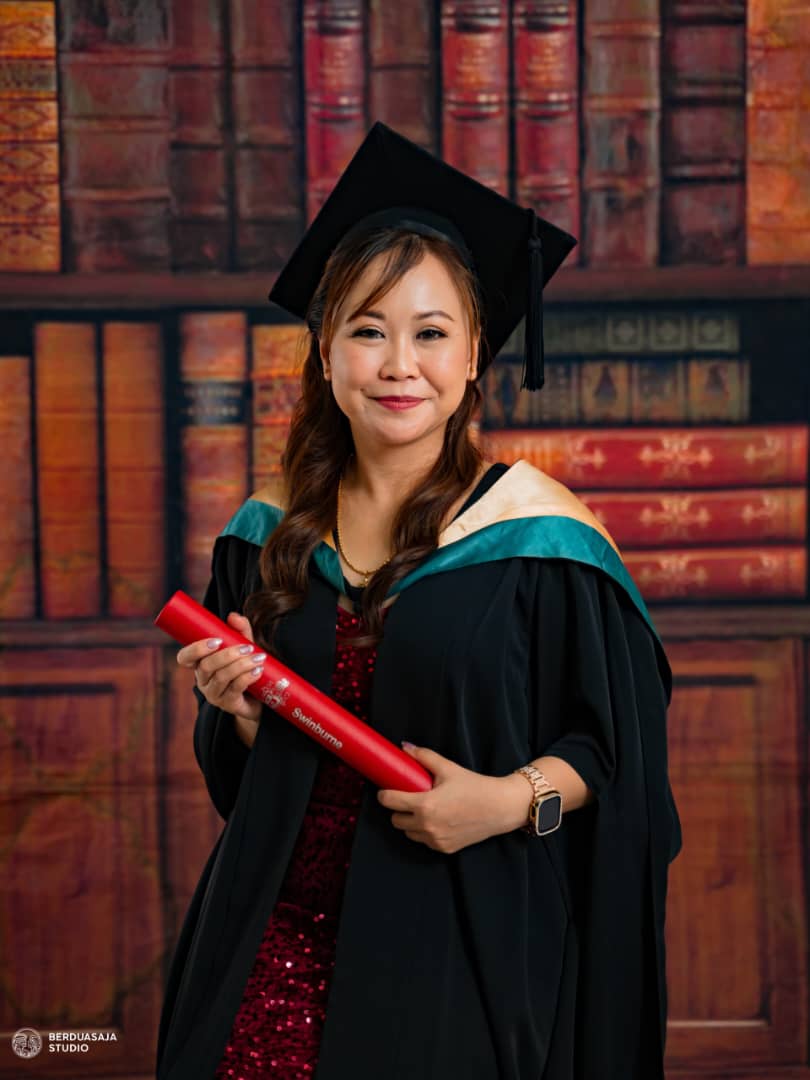
● Chamera Ali, MBAi Graduate, School of Business, Faculty of Business, Design and Arts, Swinburne University of Technology Sarawak Campus
The views expressed here are those of the writer and do not necessarily represent the views of Sarawak Tribune. The writer can be reached at mvoon@swinburne.edu.my.