Melaka, a UNESCO World Heritage Site, is a vibrant city where history and modern life meet. At its heart, the Baba Nyonya community celebrates a unique cultural identity, now officially recognised by the government. From traditional cuisine and attire to lively streets and heritage sites, their rich legacy continues to thrive for generations to come.
Peranakan Pride
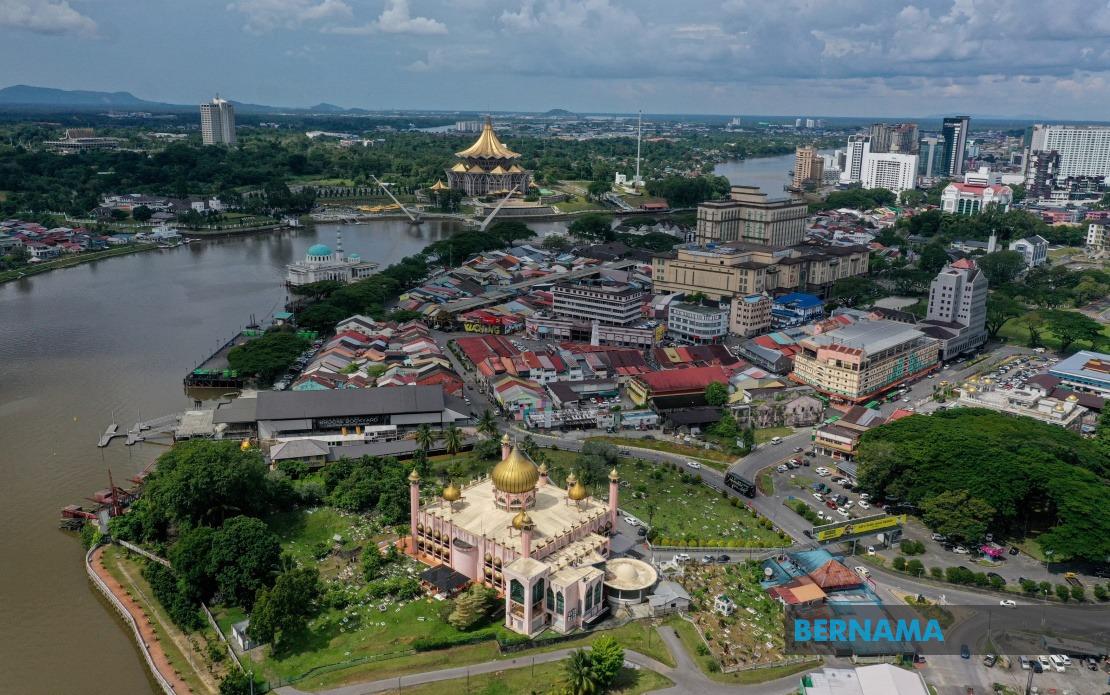
THE historic city of Melaka, recognised as a UNESCO World Heritage Site, continues to captivate visitors with its rich cultural legacy and vibrant urban charm.
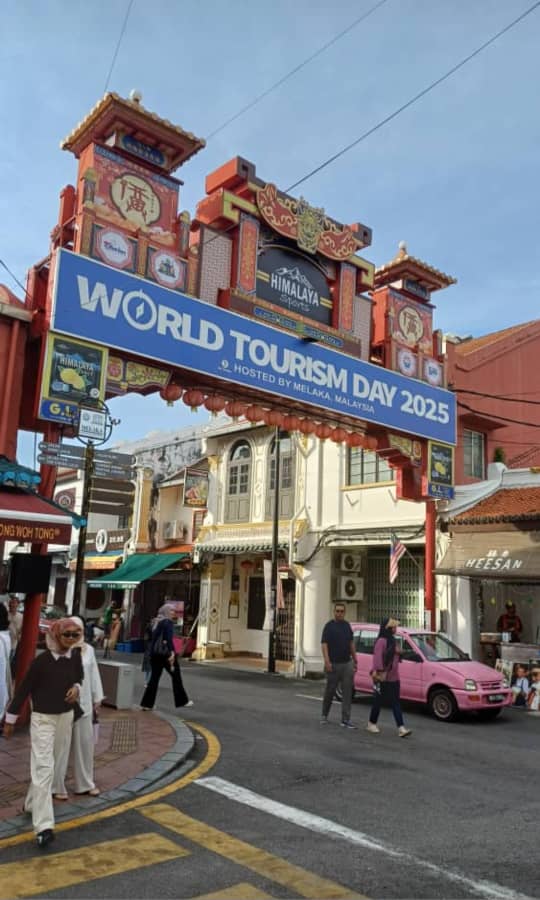
Merely a two-hour drive from the federal capital, upon arrival this writer is immediately immersed in the lively rhythm of the city – its streets bustling with vehicles and weekend travellers, many of whom journey from Kuala Lumpur, Johor, and even Singapore.
The city is more than a destination; it is a living museum where history and modernity coexist, with a landscape that bears the unmistakable imprint of time through its architecture, streetscapes, and cultural traditions, offering a compelling narrative of its storied past.
Among its most treasured cultural heritage is the Peranakan Baba Nyonya community, which stands as a living testament to Malaysia’s pluralistic roots as descendants of early Chinese settlers who intermarried with local Malays and settled in the region as early as the 15th century.
In addition, the Melaka-born Peranakans have recently been officially recognised as an ethnic category by the government and may now apply to amend the “ethnicity” section on their birth certificates from Chinese to Baba Nyonya.
This landmark decision affirms the community’s unique cultural identity and longstanding contributions to the nation’s heritage.
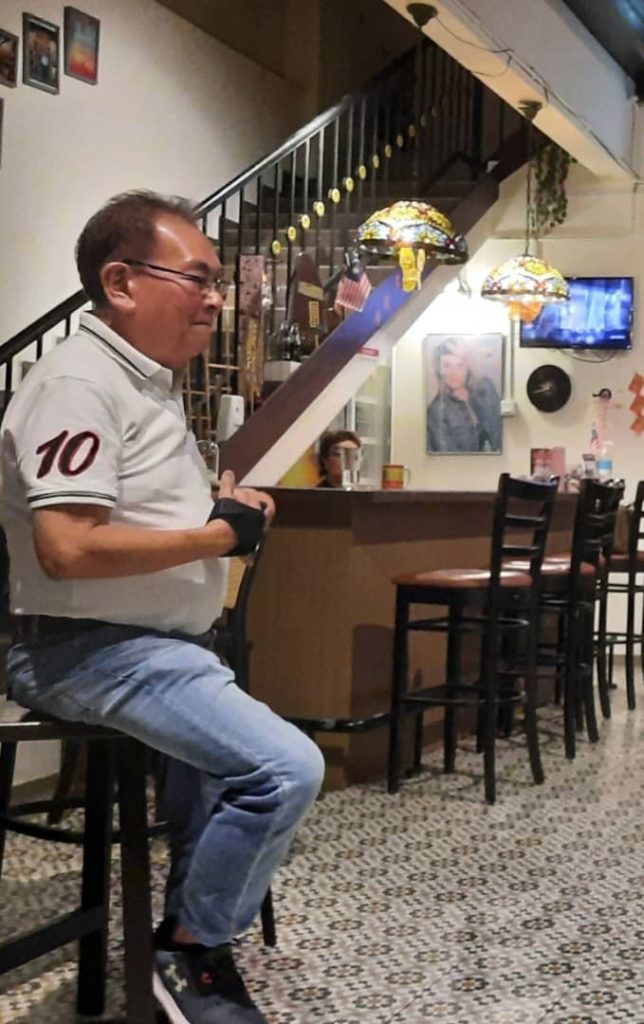
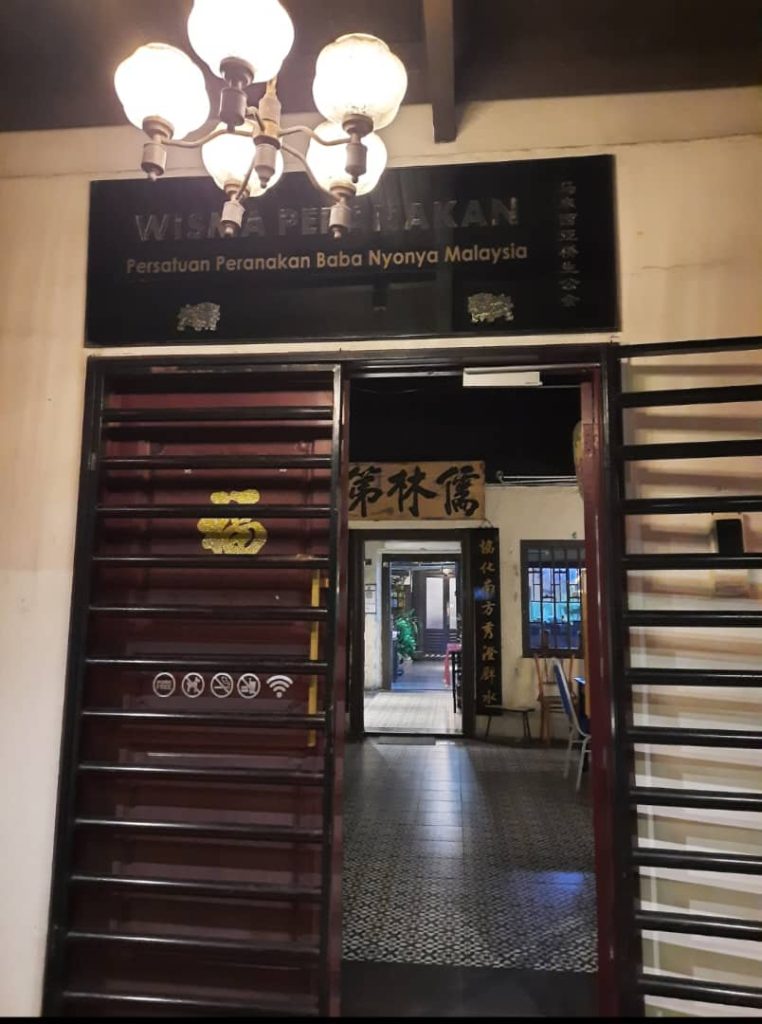
For Benny Lee, a 71-year-old Baba Khek and proprietor of the Laujiat Room cafe at the Baba Nyonya Peranakan Association of Malaysia Building (Wisma Peranakan Baba Nyonya Malaysia), Jalan Tengkera, it is a validation of their rightful place in Malaysia’s historical tapestry.
As a respected voice within the community, with lineage that often spans many generations, he poignantly notes that such recognition safeguards the rich cultural patrimony that defines the Baba Nyonya identity in terms of their distinct culture, cuisine, attire, and language.
“Most of us trace our roots back over eight generations here, and that merits our place as on par, or almost on par, with the Bumiputeras, and in keeping our rich culture, food, dressing, and lingo which are uniquely our own.
“We are proud to be Peranakan Baba Nyonya. We want to be around for centuries more and beyond. And generations after generations. We are here, to stay,” he told Sarawak Tribune.
At the Laujiat Room, housed in the century-old heritage building, Benny continues to engage with patrons over meals that blend non-halal Peranakan fusion with Filipino culinary influences, accompanied by live music performances – an embodiment of the community’s dynamic cultural expression.
Echoing Benny’s sentiments, Ronnie Ong, a 69-year-old Baba Hokkien and veteran in the marketing and automotive sectors, lauded the legislative provision, whereby the applicant acknowledges and identifies with Baba Nyonya heritage.
The Melaka-born Ronnie mainly converses in Malay and English in his daily social interactions, which speaks volumes of the linguistic and cultural fusion emblematic of the Peranakan identity.
The Baba Nyonya Peranakan Association of Malaysia, which currently has more than 3,000 members, submitted its proposal to Prime Minister Datuk Seri Anwar Ibrahim in May 2024. Approval was granted within just a year and a half – a sign of the government’s appreciation of Malaysia’s multicultural heritage.
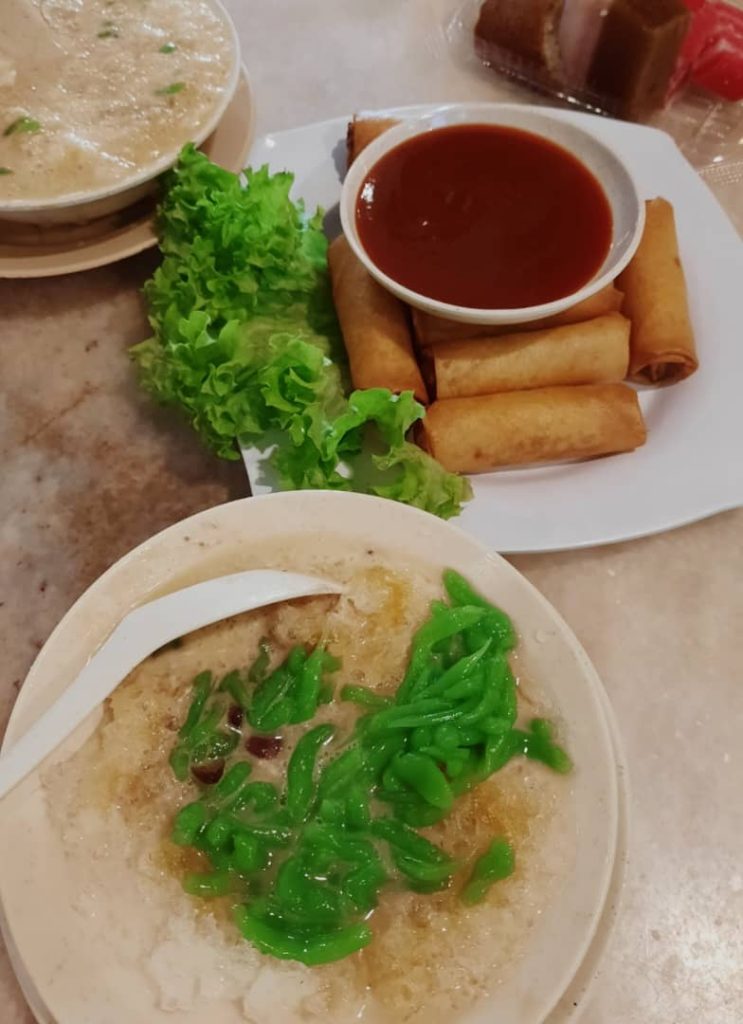
As an exquisite blend of Chinese and Malay influences, Peranakan traditions are visible in everything from the intricate beadwork of their baju kebaya to the aromatic complexity of dishes like ayam pongteh or Nyonya chicken stew, and even the cendol gula Melaka dessert.
In fact, a stroll along Jonker Street, with its heritage shophouses and bustling night market, serves as a living canvas where this hybrid culture continues to thrive, as this writer always discovers during trips to the heart of Melaka.
In Melaka, history and modernity do more than coexist – they converse. And in that dialogue, the voice of the Baba Nyonya rings clear: “We are here to stay.”