MIRI: Deep in the interior of Baram, where access is shaped as much by rivers and logging roads as by policy, a familiar gap persists: students in rural Sarawak are still catching up in a digital world moving at speed.
The state government now says it is moving decisively to close that gap.
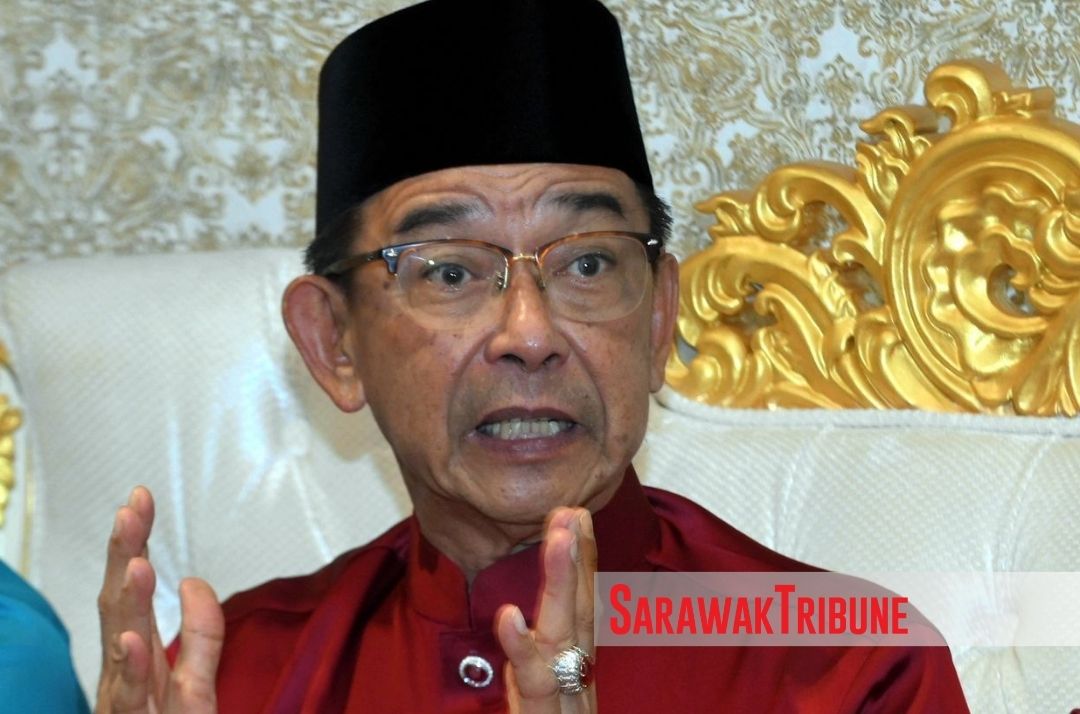
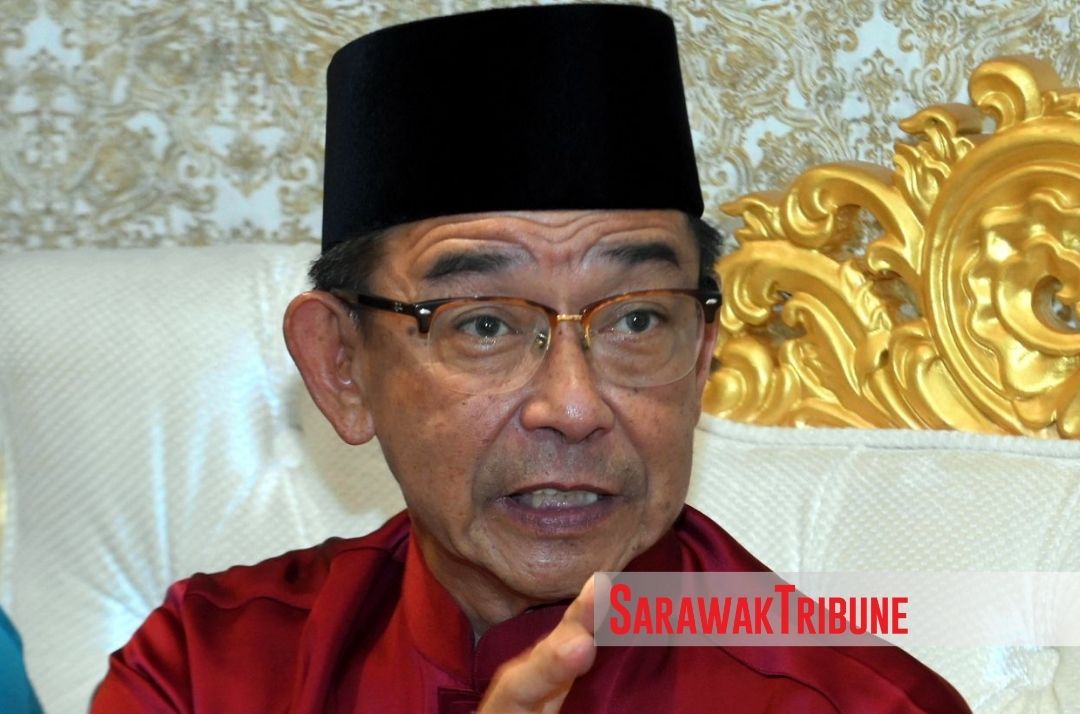
Premier Datuk Patinggi Tan Sri Abang Johari Tun Openg has reaffirmed a broad-based push to upgrade education access in the state’s rural and interior regions, framing it as central to Sarawak’s long-term economic ambitions.
The effort, driven through the Ministry of Education, Innovation and Talent Development, focuses on improving digital infrastructure, expanding access to technology, and strengthening learning environments in schools that have historically lagged behind their urban counterparts.
“Students in the interior must not be left behind in terms of digital facilities, technology and educational opportunities,” he said.
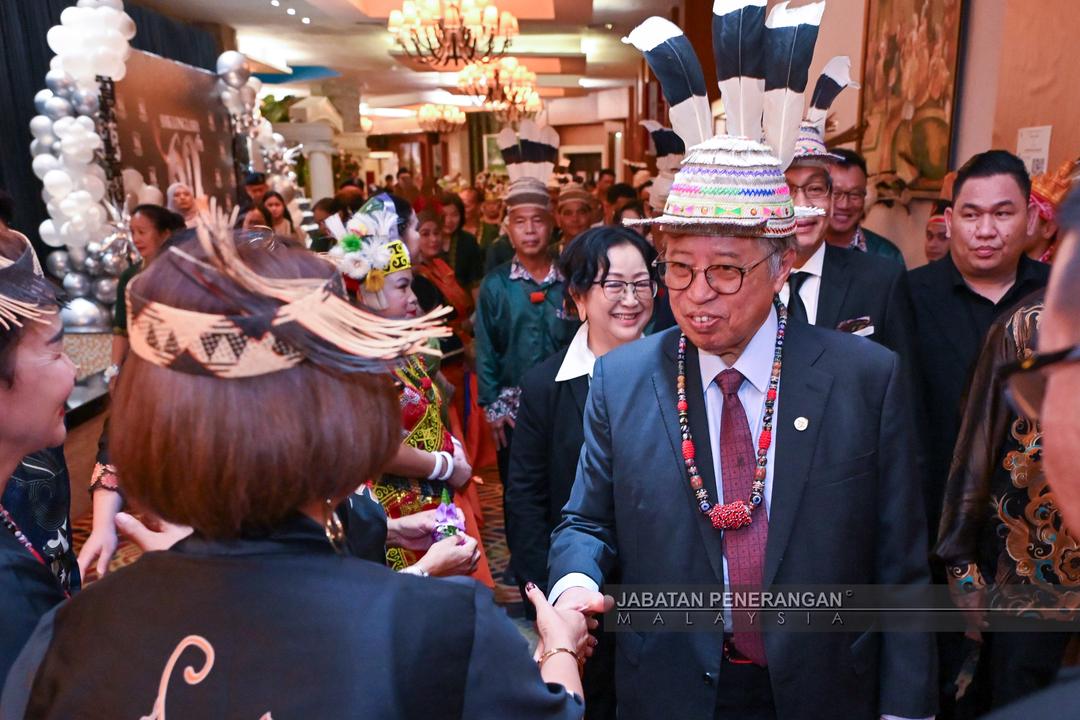
His remarks, delivered at the 60th anniversary of Sekolah Menengah Kebangsaan (SMK) Long Lama, underscore a policy shift that goes beyond access to education – towards building a workforce capable of competing in a digital economy.
Schools such as SMK Long Lama have long operated within structural constraints -limited connectivity, fewer resources, and geographical isolation that complicates delivery of consistent educational support.
The state’s latest intervention signals a move away from piecemeal upgrades to a more systemic approach, positioning rural education as a strategic investment rather than a social obligation.
Sarawak wants students from its most remote communities to match – and eventually rival – their urban peers, both nationally and internationally.
“In today’s technology-driven world, education is no longer a choice. It is a necessity and the foundation of Sarawak’s future,” Abang Johari said.
Sarawak has been accelerating its transition towards a digital and innovation-led economy, with investments in data infrastructure, renewable energy and emerging technologies.
But the state faces a structural challenge: talent readiness remains uneven, particularly outside major urban centres.
Without intervention, analysts warn, this gap risks entrenching inequality – leaving rural communities disconnected not just physically, but economically.
By embedding digital access and skills development at school level, policymakers are attempting to reshape the talent pipeline early – ensuring that geography does not dictate opportunity.
The approach reflects a broader recalibration: education policy is now being aligned directly with economic outcomes.
Yet the effectiveness of the strategy will hinge on delivery – an area where rural initiatives have historically struggled.
Infrastructure rollout in remote areas remains complex, often constrained by terrain, cost, and logistical limitations. Ensuring that digital tools translate into improved learning outcomes is an additional layer of challenge.
The government has acknowledged that success will require more than funding or infrastructure alone.
Abang Johari called for a coordinated effort involving schools, teachers, parents and local communities – a whole-of-society approach aimed at ensuring no student falls through the cracks.
“We do not want even a single Sarawakian child to be left behind in this wave of development,” he said.
For communities in places like Long Lama, the stakes are immediate and tangible.
Access to stable internet, modern learning tools, and trained educators can determine not just exam results, but life trajectories – shaping whether students can participate in a rapidly evolving economy.
Sarawak’s push to close the rural education gap is therefore more than a policy initiative. It is a test of whether development can be made genuinely inclusive.
The infrastructure may be planned and the intent clearly articulated. The real measure, however, will lie further downstream – in classrooms, in outcomes, and ultimately, in whether a student in the Baram interior can compete on equal footing with one in the country’s most advanced urban centres.