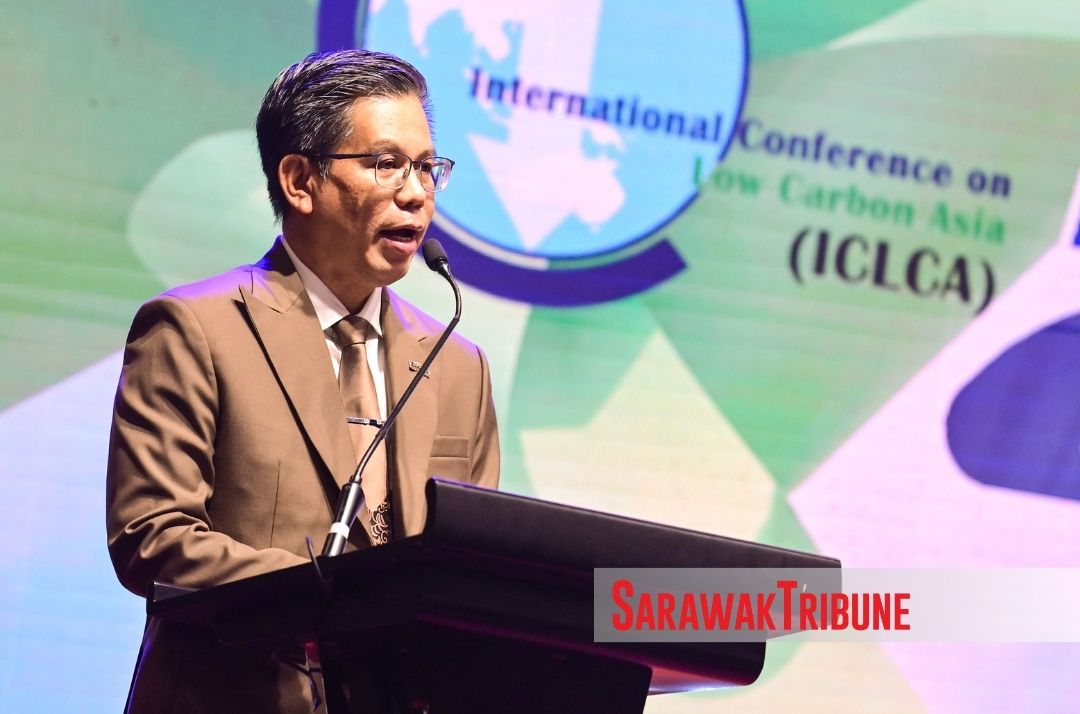
KUCHING: Universiti Malaysia Sarawak (UNIMAS) is working towards becoming a low-carbon campus by implementing various initiatives based on data, green technology, and community engagement.
UNIMAS’ Vice-Chancellor, Professor Datuk Dr Mohamad Hata Rasit, said the effort aligns with the Post COVID-19 Development Strategy (PCDS) 2030 and the nation’s commitment to achieving net-zero emissions by 2050.
He added that UNIMAS is undergoing a comprehensive campus transformation that integrates sustainability into every aspect of its operations, research and learning.
“UNIMAS focuses on three main pillars, which are the digitalisation and greenhouse gas monitoring, operational efficiency, and behavioural change and education, research, and engagement,” he elaborated.
“UNIMAS has developed the Greenhouse Gas Inventory Dashboard to monitor carbon emissions across the campus in real-time. This system enables the tracking of data on energy use, transportation, and waste for continuous improvement.”
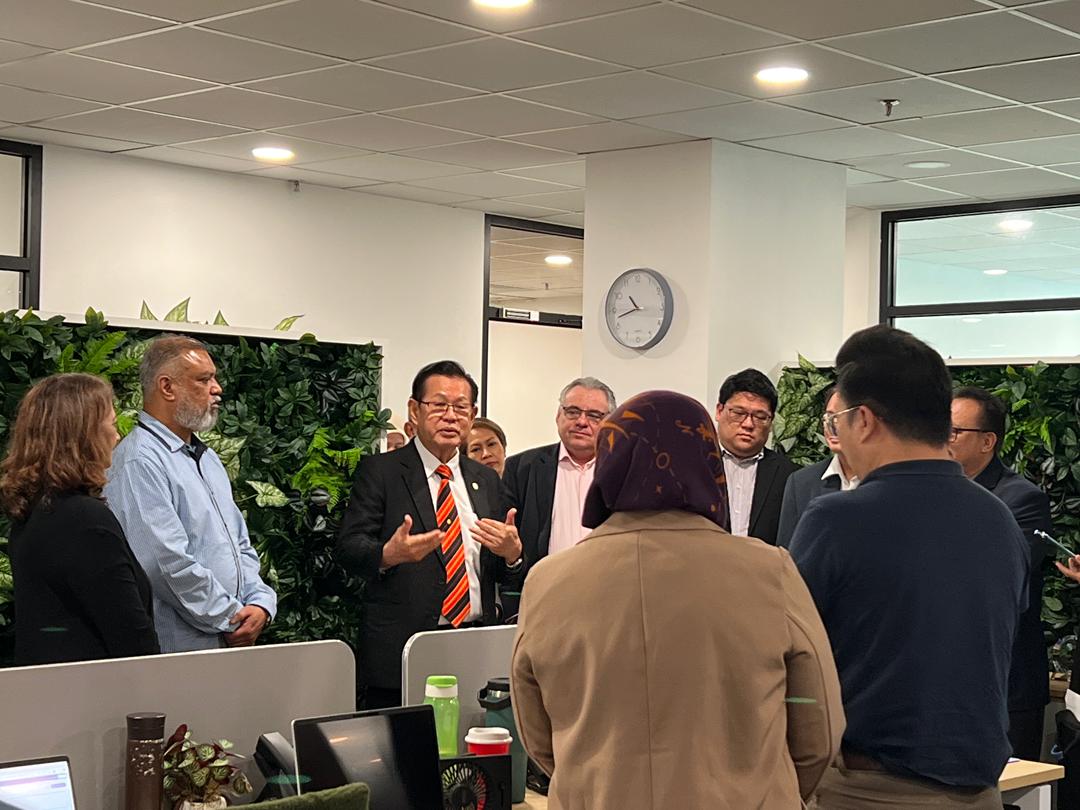
Hata said this in his welcoming speech at the 11th International Conference on Low Carbon Asia (ICLCA 2025) at the Hikmah Exchange Event Centre here today.
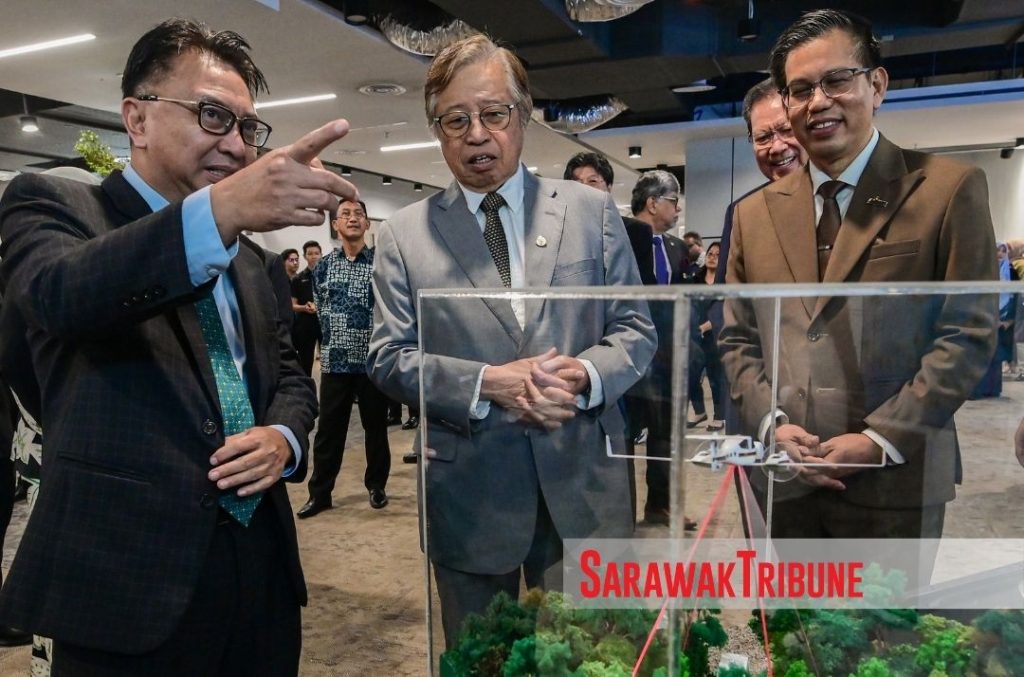
He added that as a result of the system’s implementation, carbon emissions from transportation were reduced to just four per cent in 2024, compared to a 21 per cent increase the previous year.
Meanwhile, energy consumption dropped by 12 per cent per capita, and solid waste generation was reduced by 14 per cent.
“These achievements demonstrate the power of digitalisation. At UNIMAS, we believe that data leads to action, and action leads to measurable impact. The GHG Inventory Dashboard is more than a reporting tool. It is a catalyst for behaviour change, accountability, and continuous improvement,” Hata said.
Hata added that UNIMAS also promotes operational efficiency through green energy initiatives, zero-waste practices, as well as the use of bicycles, electric vehicles, and green procurement policies across the campus.
He said the UNIMAS Circular Lab serves as a key innovation hub driving circular economy practices by converting waste materials into new resources such as compost, bamboo products, and recycled metal.
“The Circular Lab also develops community prototypes such as eco-products, bio-fertilisers, and bamboo-based livelihood solutions. Our next step is the UNIMAS Circular Village, which will extend these innovations to rural Sarawak, empowering local communities to benefit from sustainable practices,” he added.
UNIMAS also collaborates with strategic partners such as Sarawak Energy, the Natural Resources and Environment Board (NREB), and the Bintulu Development Authority in ESG capacity building, hydrogen readiness mapping, and circular economy modeling.
“Through networks like the Low Carbon Asia Network and the ASEAN University Network on Sustainability, as well as collaborations with international universities including Lancaster University, Copenhagen Business School, and the University of Sydney, UNIMAS continues to strengthen global research and knowledge exchanged,” Hata said.
He emphasised that UNIMAS is committed to reducing carbon emission intensity by 40 per cent by 2030 and achieving net-zero by 2050, in addition to expanding the use of renewable energy and solar rooftop systems.