MIRI: Sarawak’s digitalisation agenda, implemented since 2018, has successfully empowered more than 540,000 people through upskilling and reskilling programmes, fostering a robust talent pool equipped to meet the evolving demands of the state’s digital economy.
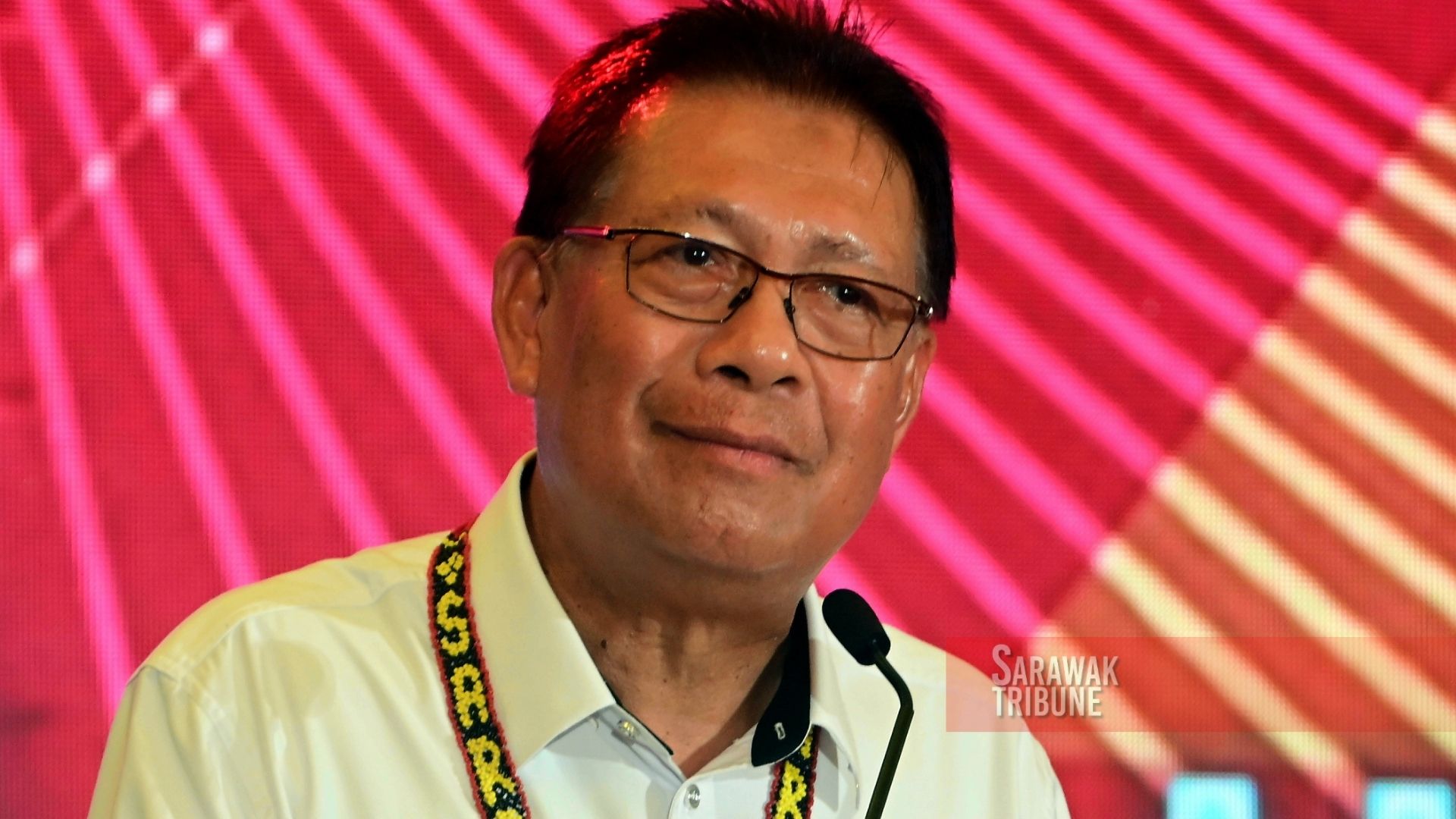
Premier Datuk Patinggi Tan Sri Abang Johari Tun Openg said the state government’s investment in human capital development is beginning to show results, with digital skills increasingly being mastered by people of all ages and from all locations, including those in rural areas.
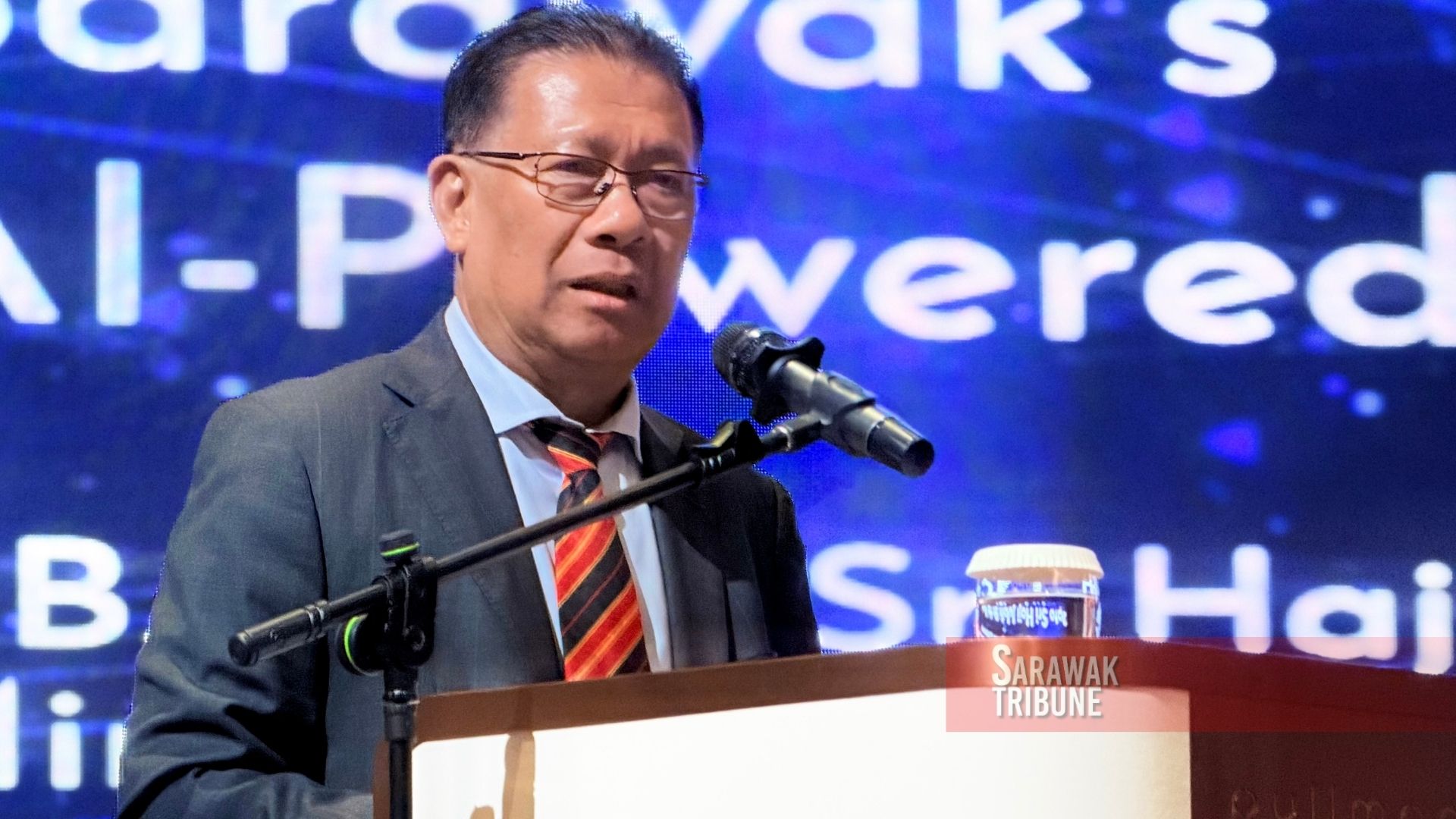
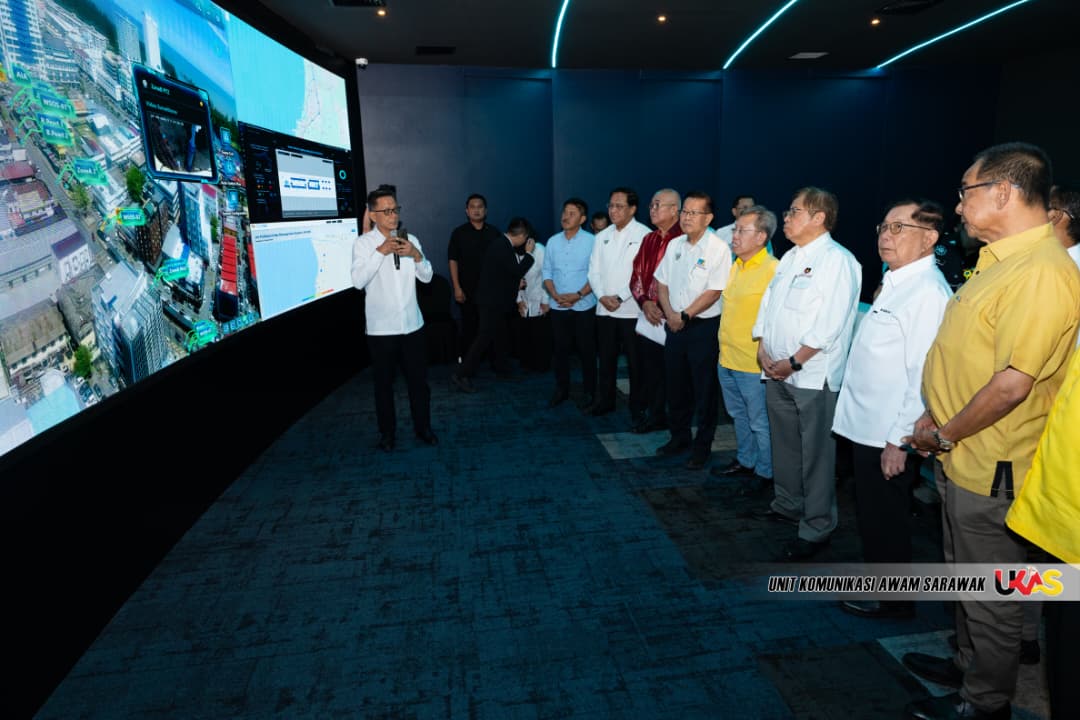
“The growing use of S-Pay Global is one of the indicators that people are becoming more confident in embracing digital technology as part of their daily routine,” he said during the launching of the Miri Smart City Command Centre (MSCCC) at Imperial Hotel here today.
According to the Premier, his recent experience of seeing an elderly woman make a payment using a QR code while buying vegetables in Serian serves as proof that digital transformation has become deeply rooted in the lives of the people.
“Recently, while I was in Serian, I personally witnessed an elderly woman buying vegetables and making payment at the counter using her mobile phone. I was quite surprised and approached her.
“I asked, ‘What are you buying?’ She replied, ‘Vegetables.’ Then I asked again, ‘How are you going to pay?’ The woman immediately took out her mobile phone and scanned the QR code. Once the transaction was confirmed, she completed the payment,” he said.
He added that the experience demonstrated that Sarawakians are becoming increasingly skilled and confident in using digital technology in their daily lives.
This development, he said, also gives him confidence that the actual number of people with digital skills may already exceed 540,000, given the growing use of digital platforms in various aspects of everyday life.
Reflecting on the inception of this mission, the Premier recalled the early skepticism that greeted his administration’s pivot toward a digital future.
“When I took over from the late Pehin Sri Adenan Satem, as Chief Minister, the first policy I introduced was the digital economy. At that time, many people were somewhat doubtful and sceptical about the policy because some understood its importance while others did not.
“There was uncertainty about how important digitalisation would be in the management and administration of government,” he said.
He noted that the initiative was designed as a transformative approach to governance, aimed at accelerating the delivery of essential services.
“This was a new approach, one that could certainly accelerate the delivery of products and services. It represented a very significant shift towards a new way of governing both the state and the country.
“That was why, when I introduced the digital economy, including cashless payments as one of the tools to digitalise our economy, it was something entirely new. However, I was confident that Sarawakians would be able to adapt to new technology,” he said.