KUCHING: Sarawak could tap its natural environment to develop mental wellness tourism by combining nature-based retreats with digital mental health support, Deputy Premier Datuk Amar Dr Sim Kui Hian said.
He said the state’s rainforests, rivers, mountains and coastlines offered valuable resources for promoting mental wellbeing, with growing research showing that spending time in nature helped reduce stress, improve mood and support emotional health.
“Imagine combining that natural wealth with modern technology: digital tools that bring counselling and support from a distance, and the chance to step away from the screen and recover among the forest and the river.
“This combination could make Sarawak a destination for mental wellness retreats, drawing visitors from across the region who need rest and renewal, while creating opportunities for our own communities,” he said.
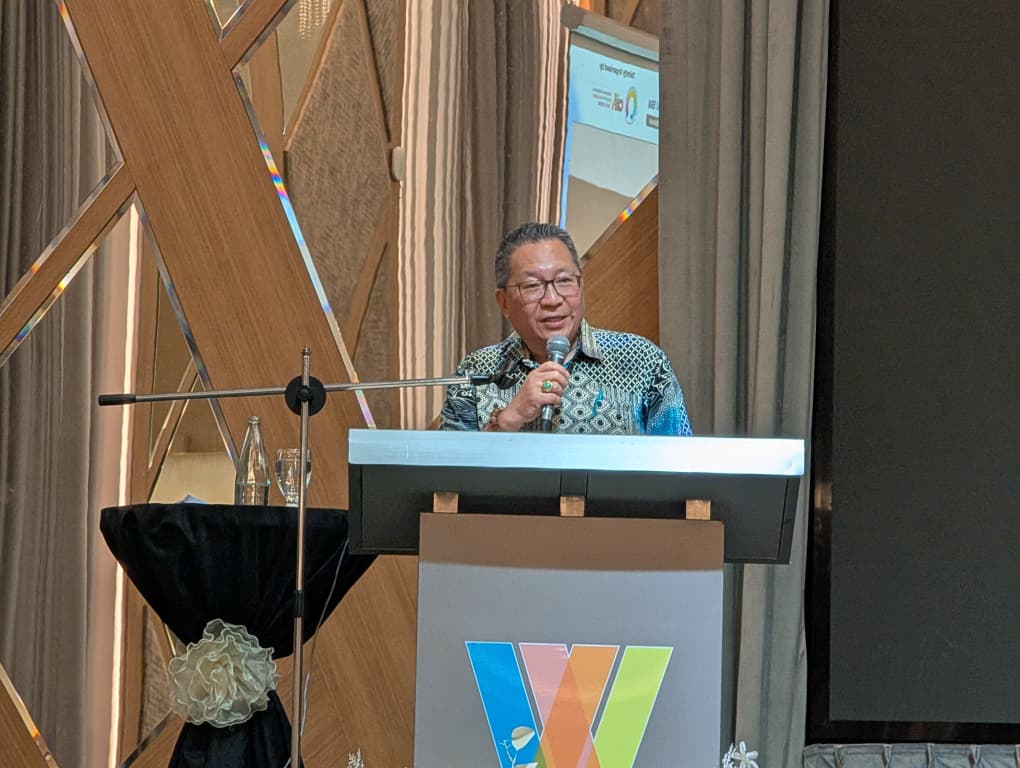
He said this in his speech read out by Kuching South City Council (MBKS) Mayor Datuk Wee Hong Seng at the CIFA Regional Symposium 2026 Closing Ceremony here last night (Nov 21).
Dr Sim invited the Consortium of Institutes on Family in the Asian Region (CIFA), National Coalition for Mental Wellbeing, Malaysia (NCMW) and other partners to explore the initiative with the state, saying Sarawak’s natural environment could be leveraged not only for tourism but also to promote people’s wellbeing.
He stressed that mental health must not be taken lightly, as it affects people across all ages and walks of life, and should not be dismissed as a passing trend or something that would resolve itself over time.

He said children often faced pressures from academic expectations, family tensions, loneliness, bullying and fear of disappointing others, with their struggles frequently reflected through behavioural changes, withdrawal and declining academic performance.
Parents and teachers, he said, played a crucial role in recognising these early signs and providing support through understanding, patience and attentive listening rather than judgement.
Dr Sim also highlighted the challenges faced by young people growing up in an increasingly digital environment, noting that excessive screen time could widen the disconnect between them and their parents, teachers and support networks.
He said young people needed safe spaces to speak openly and communities that remained accessible to them when they needed guidance.
On workplace mental health, he called on employers to cultivate a working culture that prioritised emotional and psychological wellbeing alongside physical health, stressing that a supported workforce would also contribute to happier families.
“Professionals such as counsellors and psychologists can provide treatment and guidance, but they cannot do this alone.
“Companies themselves must step forward to provide psychosocial support: employers who listen, managers who are trained to notice when someone is struggling, and workplaces where it is safe to ask for help,” he said.