KUCHING: Deputy Premier Datuk Amar Dr Sim Kui Hian has questioned the feasibility of a proposal by Stampin MP Chong Chieng Jen for Sarawak to build state-owned private hospitals that charge public hospital rates.
Dr Sim, who is also Public Health, Housing and Local Government Minister, said the idea ignored the reality of high treatment costs, which were only affordable now because they were funded by the federal government.
Citing the Sarawak Heart Centre, he explained that the facility was built by the Sarawak government but rented to the Health Ministry for just RM10 a month, with the federal government covering operational expenses.
“In the case of a blocked heart artery, the cost of the equipment alone to unblock it is between RM8,000 and RM10,000. That doesn’t even include doctors, nurses, electricity or water bills.
“Because the federal government pays the operational cost, patients now only pay between RM300 and RM500 for an angioplasty balloon procedure. Without that subsidy, it is impossible to call it affordable,” he said.
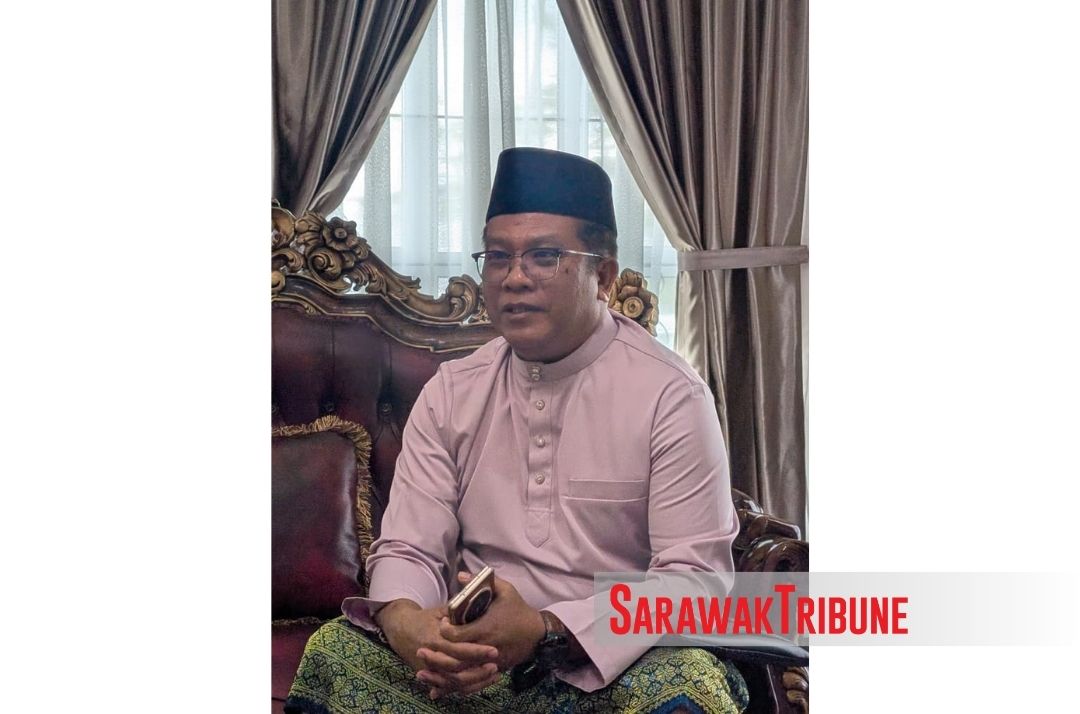
He told the media this when met on the sidelines of the Sarawak International Conference on Ageing (SICA) 2025 opening ceremony here on Tuesday (Oct 28).
On Monday (Oct 27), Chong, who is the Democratic Action Party (DAP) Sarawak chairman, called on the state government to consider setting up state-owned private hospitals that charge public hospital rates for Sarawakians.
He said such a move would be a more meaningful investment than spending on what he described as less impactful projects, adding that the proposal mirrored DAP Sarawak’s 2015 suggestion for state-owned private schools using English as the medium of instruction.
As such, Dr Sim urged Chong to “do his homework” before making such proposals, stressing that Sarawak had long pushed for health autonomy so that manpower and resources could be managed more effectively at the state level.
He said under the current federal system, doctors applied to serve Malaysia as a whole and many chose not to come to Sarawak, unlike if applications were handled under Sarawak’s jurisdiction.
“If the authority was under Sarawak, doctors would be applying directly to serve here as part of compulsory service.
“Right now, they apply to Malaysia as a whole, and many refuse postings to Sarawak, saying they do not want to go to places like Kapit,” he explained.
Dr Sim also pointed to the upcoming Sarawak Cancer Centre as an example, noting that Premier Datuk Patinggi Tan Sri Abang Johari Tun Openg had agreed for the state government to pay upfront since Putrajaya claimed it lacked funds.
“The federal government built a cancer hospital in Alor Setar with 200 beds for RM906 million. Why should Sarawak be asked to pay first when Kedah wasn’t?” he questioned.
“Cancer treatment alone can cost RM300 million annually to cover chemotherapy, doctors and nurses. Within three years that amount is enough to build another hospital,” he said.
He then stressed that Sarawak’s elected representatives — in reference to Chong’s remarks — should focus on pressing the federal government to deliver for the State instead of making impractical proposals.
“We are already trying our best, but our MPs must know what they are talking about and fight for Sarawak in Kuala Lumpur,” he said.