DEAR Leaders,
In an increasingly interconnected world, the ideas of global citizenship and ethical leadership are more critical than ever.
As the youth of today prepare to inherit the mantle of leadership, understanding these concepts becomes essential not only for personal growth, but also for the collective advancement of humanity.
This week, let us explore what global citizenship and ethical leadership are, why they matter, and how these principles can lead to positive change in society, particularly from the perspective of human duties.
Global citizenship transcends national borders, cultural differences and social identities. It embodies the recognition that we are all part of a larger human community and that our actions can have far-reaching effects on this community.
According to Oxfam, global citizenship is about understanding and feeling a sense of responsibility for the world around us, recognising that we all share the planet and its resources.
It calls for a mindset that acknowledges that social, environmental and economic issues are internationally interconnected.
A 2018 report by the United Nations indicates that over half of the world’s population is under the age of 30, and this demographic has shown a keen interest in global issues such as climate change, inequality and social justice.
This engagement suggests that the youth of today are not merely passive observers but active participants in shaping a more equitable world.
By cultivating a sense of global citizenship, young leaders can become advocates for change, equipped to navigate the complexities of a diverse and demanding global landscape.
Ethical leadership can be defined as the practice of being honest, fair and responsible in one’s professional and personal conduct.
It involves making decisions that reflect moral values and standards, prioritising the well-being of others over self-interest.
Research from the Harvard Business Review shows that ethical leaders not only cultivate trust among their followers but also inspire ethical behaviour within organisations, creating environments conducive to innovation and productivity.
Claire W. Graves, a researcher in the field of value systems, suggests that ethical leadership is about more than merely the absence of wrongdoing; it is about actively promoting goodness, service and compassion in leadership roles.
This model of leadership resonates strongly with the ideals of global citizenship, as it places the welfare of society at the forefront of decision-making processes.
The combination of global citizenship and ethical leadership can yield powerful results. Ethical leaders who embrace global citizenship place the needs of humanity above their own.
They foster inclusive environments where diverse perspectives can flourish, emphasising collaboration and mutual understanding.
In an era marked by widespread inequality and climate change, such leaders have the potential to drive initiatives that promote sustainable development and social justice.
For instance, the World Economic Forum’s 2021 Global Risks Report highlights the interconnected nature of the risks facing our world today, emphasising that no single entity can address these challenges alone.
Collaborative leadership that prioritises global well-being is paramount. Leaders who embody the virtues of global citizenship and ethical leadership can mobilise efforts to combat pressing issues such as poverty, racism and environmental degradation.
From the perspective of human duties, a responsible global citizen and ethical leader recognises the importance of accountability in both personal and professional spheres.
Immanuel Kant’s philosophy underscores the notion that we have a moral duty to uphold the rights and dignity of others, which aligns seamlessly with the principles of global citizenship and ethical leadership.
The Universal Declaration of Human Rights, adopted by the United Nations in 1948, is a testament to our collective obligations towards one another.
Articles 1 and 29, in particular, emphasise the importance of respect for human dignity and the responsibilities that accompany rights.
Young leaders must internalise these principles, striving to ensure that their decisions reflect an unwavering commitment to justice and equity.
Data from the Global Footprint Network indicate that humanity now uses the equivalent of 1.75 Earths to provide the resources we consume – a clear sign that our current practices are unsustainable.
Discouragingly, marginalised communities disproportionately bear the burden of this unsustainable trajectory. Ethical leaders equipped with a global citizenship mindset can work towards rectifying these imbalances, fostering a more equitable distribution of resources and opportunities.
Today’s youth stand at a unique crossroads, endowed with the tools and technologies necessary to connect, learn and innovate in ways previous generations could scarcely have imagined.
As such, they possess the potential to enact transformative change on a global scale.
Engaging with the principles of global citizenship and ethical leadership not only equips them with essential skills but also fosters a sense of purpose and connection to a broader mission.
Organisations such as the Global Citizen Movement exemplify how young individuals can effect positive change.
By leveraging social platforms, these advocates can mobilise campaigns that raise awareness of pressing issues such as climate justice, gender equality and access to education.
The recent #FridaysForFuture movement, initiated by climate activist Greta Thunberg, illustrates how young people can galvanise global attention and inspire action by calling for more responsible climate policies.
As we stand at the precipice of immense global challenges, the fusion of global citizenship and ethical leadership emerges as essential for a brighter future.
The youth of today are not merely the leaders of tomorrow; they are the catalysts for change, entrusted with the vital mission of uplifting humanity and caring for our shared planet.
This call to action is a rallying cry for all aspiring leaders: embrace your responsibilities as global citizens, foster a culture of ethical leadership, and remember that every small action contributes to the greater tapestry of human progress.
As Robert Swan, the renowned Antarctic explorer, once said, “The greatest threat to our planet is the belief that someone else will save it.”
Stand up, take responsibility, and be the change you wish to see in the world. Only then can we collectively ensure a promising and sustainable future.
Dear leaders,
In this journey, you are not alone. Together, as compassionate and principled leaders, we can forge a world marked by kindness, inclusivity and an unwavering commitment to one another’s well-being.
The time for ethical leadership and global citizenship is now. Let us embrace it.
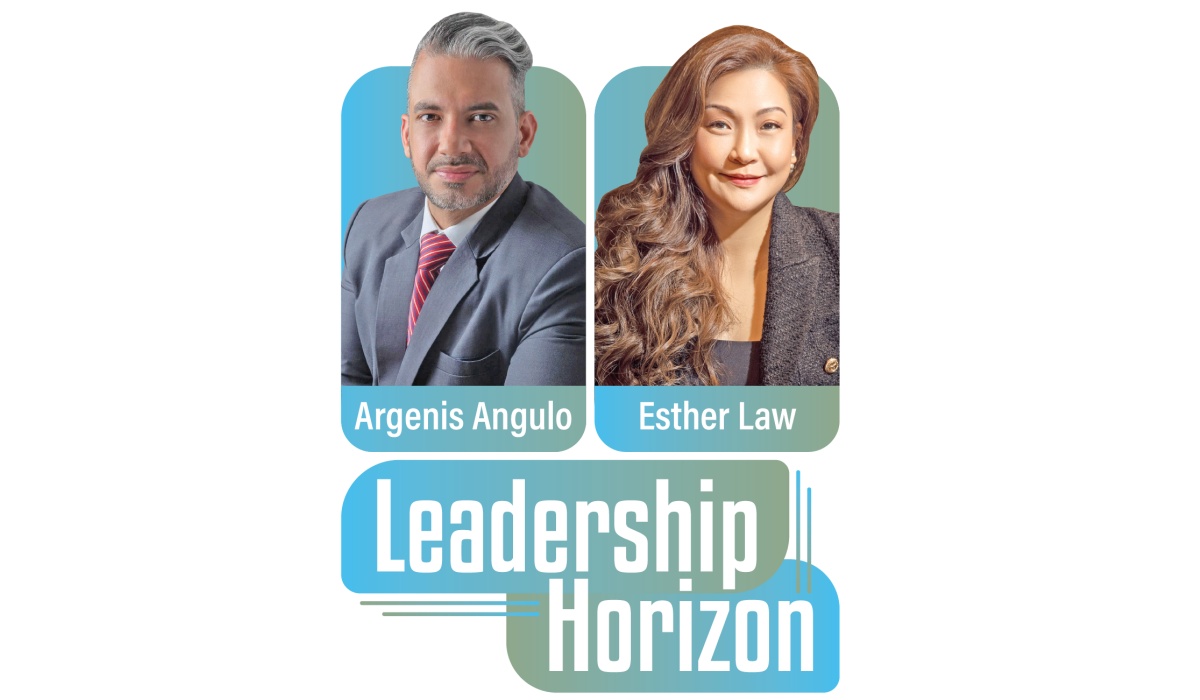
The views expressed here are those of the writers and do not necessarily represent the views of Sarawak Tribune. The writers can be reached at argenisangulo@gmail.com and lawleepoh@gmail.com.