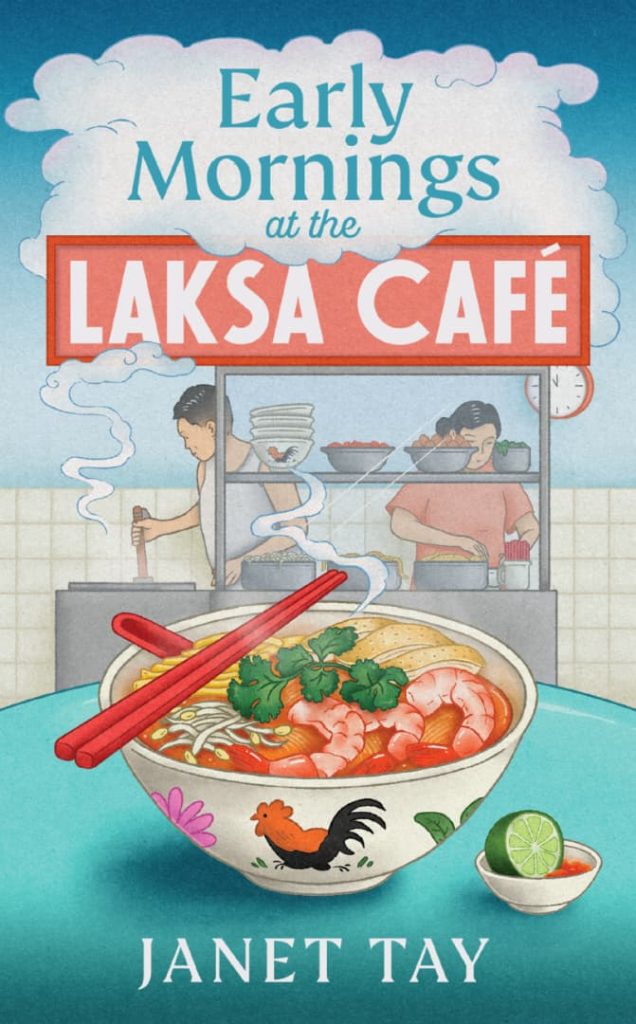
In her debut novel ‘Early Mornings at the Laksa Café’, Janet Tay weaves food, memory and generational conflict into a heartfelt tribute to Kuching’s Carpenter Street and the ties that bind fathers and sons.
A literary debut that reflects on generational struggle
AT the crossroads of lifelong passion and family obligation, Janet Tay’s debut novel, ‘Early Mornings at the Laksa Café’, reflects on generational differences and the ways each generation navigates its hopes, responsibilities and sense of purpose.
The novel explores the lives of Ah Hock, a second-generation laksa seller, and his son Wei Ming, a chef who feels adrift. Expected to inherit an ancestral broth, Wei Ming returns home from abroad in search of who he truly is.
Launched nationwide and in the United Kingdom on January 22, Tay’s debut novel is a reflection on generational struggle. Set along Carpenter Street in Kuching, the book also serves as her tribute to the historic street – a place rich in culture, memory and heritage.
“I love the street for its history and heritage. When I was growing up, my dad would take me to a laksa kopitiam there that served really good laksa. One day, it just closed for good,” said the 49-year-old.
“I was shocked because the shop had been there for many years. I always thought I would be able to bring my son there one day to try their food too. It was sad to realise that the shop would exist only in the memories of those who had visited it before, and that the younger generation would never experience it.”
With the place etched deeply in her heart, Tay was drawn to write about food and memory. Although the story evolved significantly from its earliest drafts, the essence of heritage remained central throughout the book.
What began as a coming-of-age story eventually became a father-and-son narrative centred on contrasting life goals. “It took me about five years to write the book, though not continuously,” she said. “The first draft changed many times, and I experimented with different ways of telling the story.”
“I don’t think anyone ever writes a perfect first draft. Between drafts, I took part in a writing workshop, and that experience really propelled the manuscript towards what eventually became the published novel. I was also encouraged by many people along the way.”
A childhood dream
When Tay finally received a book deal, she was elated. The moment came after countless rejections, and she admitted that the thought of giving up had crossed her mind more than once. Still, those obstacles taught her resilience and perseverance.
“I believe that with most pursuits, you just have to stick with it and not give up. If you ever feel like giving up on writing or publishing, take a break,” she said. “For me, I don’t think I could ever stop wanting to publish – that desire would always come back to nag at me.”

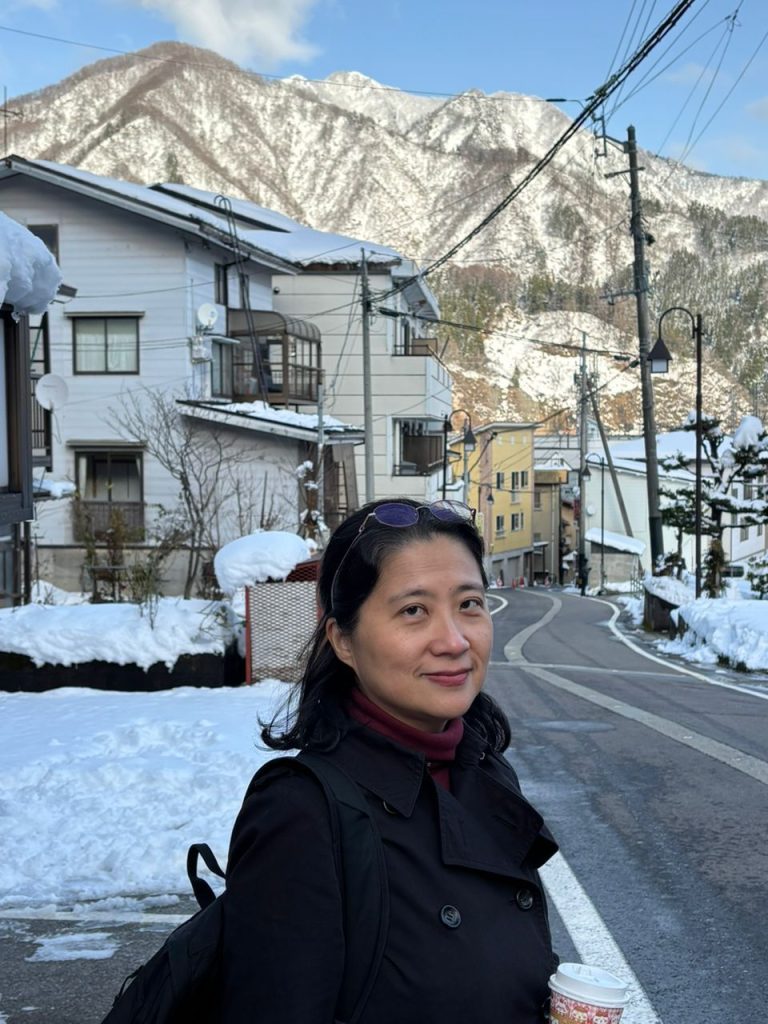
Looking back, Tay is glad she did not abandon the dream she had as a schoolgirl. As a child, she loved reading and writing, but set that dream aside when she chose to pursue a career in law.
Although she does not regret her years as a lawyer, Tay decided at 30 that she wanted a new chapter in life. “Nothing dramatic happened,” she said. “I was turning 30, it felt like a milestone, and I realised I hadn’t written any books yet.”
Lessons as an author
As an author, every word became part of the learning process. For Tay, many of those lessons emerged during moments of writer’s block and through experimenting with different narrative structures.
“We get blocked because we think every chapter has to be good,” she said. “But I learned that I just needed to show up every day and write. Even if it’s bad, at least something is written.”
She added that some paragraphs – even entire chapters – inevitably get deleted, and that is part of the process. There are also days when she chooses not to write at all.
“Sometimes I’ll take a rest day and come back when I’m more energetic. To me, anything that encourages you to write is part of the writing process – taking walks, reading other writers’ books. It’s not just about typing words.”
Ultimately, her perseverance paid off. “I just kept writing and writing to see what would happen.”

Tay also believes writing a book should never be rushed. She often allows time away from the manuscript before returning to edit, sometimes rereading old chapters and wondering, “Was I drunk when I wrote this?”
“There are days when I think my writing is terrible, and then I read it again and realise it’s not so bad after all,” she said. “As a writer, I need to look at my work objectively, and coming back with fresh eyes really helps.”
With ‘Early Mornings at the Laksa Café’ now published internationally, Tay is working on her next book – developing ideas, processing themes and experimenting with new structures. Until then, the story of Carpenter Street continues to simmer quietly on the page.