KUCHING: Strengthening economic ties with Russia could support Malaysia’s long-term industrial resilience and post-pandemic recovery, particularly in high-technology, green economy, and food security sectors.
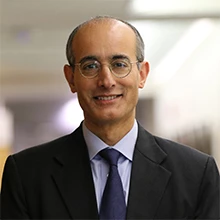
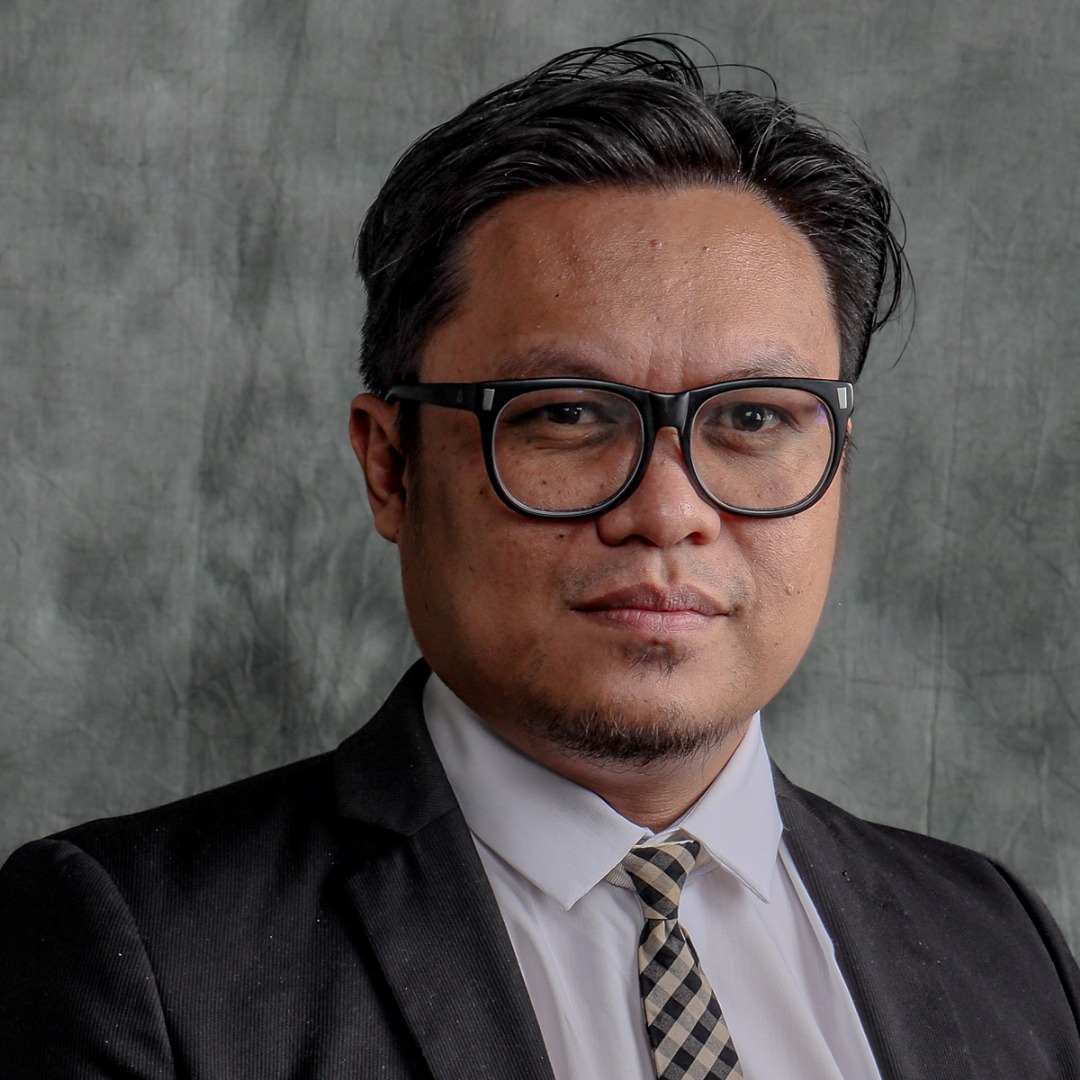
In stating this, Universiti Malaysia Sarawak (UNIMAS) Senior Lecturer, Dzul Hadzwan Husaini, pointed out that Russia presents a strategic opportunity for Malaysia’s economic diversification, given its growing capabilities in advanced technologies, and its role as a key global supplier of critical minerals and agricultural products.
“Russia has developed its own high-technology ecosystem in fields such as aerospace, medical sciences and advanced manufacturing, technologies that are increasingly comparable to those in Western economies.
“Collaborations in these sectors can elevate Malaysia’s industrial capabilities, especially in areas such as robotics, digital health, and materials engineering,” he told Sarawak Tribune.
He added that Russia’s position as a major supplier of critical minerals offers clear value to Malaysia’s green economy aspirations.
“These minerals are essential for energy transition technologies such as electric vehicle batteries and renewable energy systems.
“Establishing supply chain linkages in this domain supports Malaysia’s green economy ambitions under our National Energy Transition Roadmap (NETR),” he explained.
On agriculture, Dzul said Russia’s role as a global food producer could benefit Malaysia in areas such as food trade, veterinary pharmaceuticals, and biotechnology.
“Malaysia can strengthen its net primary supply, particularly in food security and public health which are areas that have become more crucial in the post-pandemic recovery phase,” he added.
He also highlighted that Malaysia can deepen economic cooperation with Russia without compromising its neutral foreign policy stance.
“Malaysia’s foreign policy has long emphasised non-alignment and constructive engagement with all global partners.
“Deepening economic relations with Russia is consistent with this approach, allowing us to diversify our trade and investment anchors beyond the traditional corridors of the US and China.
“This diversification reduces Malaysia’s exposure to geopolitical risk and enhances our strategic autonomy,” he said.
Dzul further noted that Malaysia could pursue partnerships in non-sensitive, high-value sectors, such as the civilian defence industry, agro-industrial development, and healthcare innovation, which are areas that support domestic capabilities without undermining its neutral diplomatic posture.
“Russia’s sizable consumer and industrial market also presents opportunities for Malaysian exports, particularly in the electrical and electronics (E&E) sector, where Malaysia has strong comparative advantages.
“Targeted trade missions and investment facilitation can help unlock these market potentials, supporting Malaysian firms in gaining access to new demand sources,” he concluded.