THE launch of the Sarawak Free Tertiary Education Scheme (FTES) is not merely another item on the government’s policy checklist.
It is a defining moment – one that reflects how Sarawak views its people, its priorities and, most importantly, its future.
For years, higher education has been framed as the gateway to social mobility.
Yet for many Sarawakian families, particularly those living outside major towns and cities, that gateway has often come with a heavy price tag.
Tuition fees, accommodation costs, transport and daily living expenses have forced parents into difficult decisions and, in some cases, compelled young people to put their aspirations on hold.
Today, that long-standing barrier is being addressed in a tangible and meaningful way.
With the introduction of free tertiary education at state-owned institutions of higher learning, the Sarawak government has sent a clear message: education should not be dictated by how much a family earns.
Instead, it should be driven by merit, determination and a willingness to learn.
This is a principle that resonates deeply in a state as geographically vast and socio-economically diverse as Sarawak.
Premier Datuk Patinggi Tan Sri Abang Johari Tun Openg, in launching the scheme, has once again illustrated a leadership philosophy that prioritises long-term investment over short-term gains.
Free tertiary education is not charity.
It is a strategic decision – one that recognises that the strength of Sarawak’s economy tomorrow depends on how well its people are educated today.
What is particularly noteworthy about this scheme is its deliberate focus on state-owned institutions.
By anchoring the initiative within Sarawak’s own education ecosystem, the state government is not only easing students’ financial burden but also strengthening local institutions that play a crucial role in producing industry-ready graduates.
It reflects a measured approach to autonomy – one that ensures state resources are channelled responsibly while delivering maximum impact for Sarawakians.
For anak-anak muda, the significance of this move goes beyond waived fees.
It is about dignity and possibility.
It is about being able to choose a field of study based on passion and aptitude, rather than cost alone.
On a personal level, this launch carries a different kind of meaning.
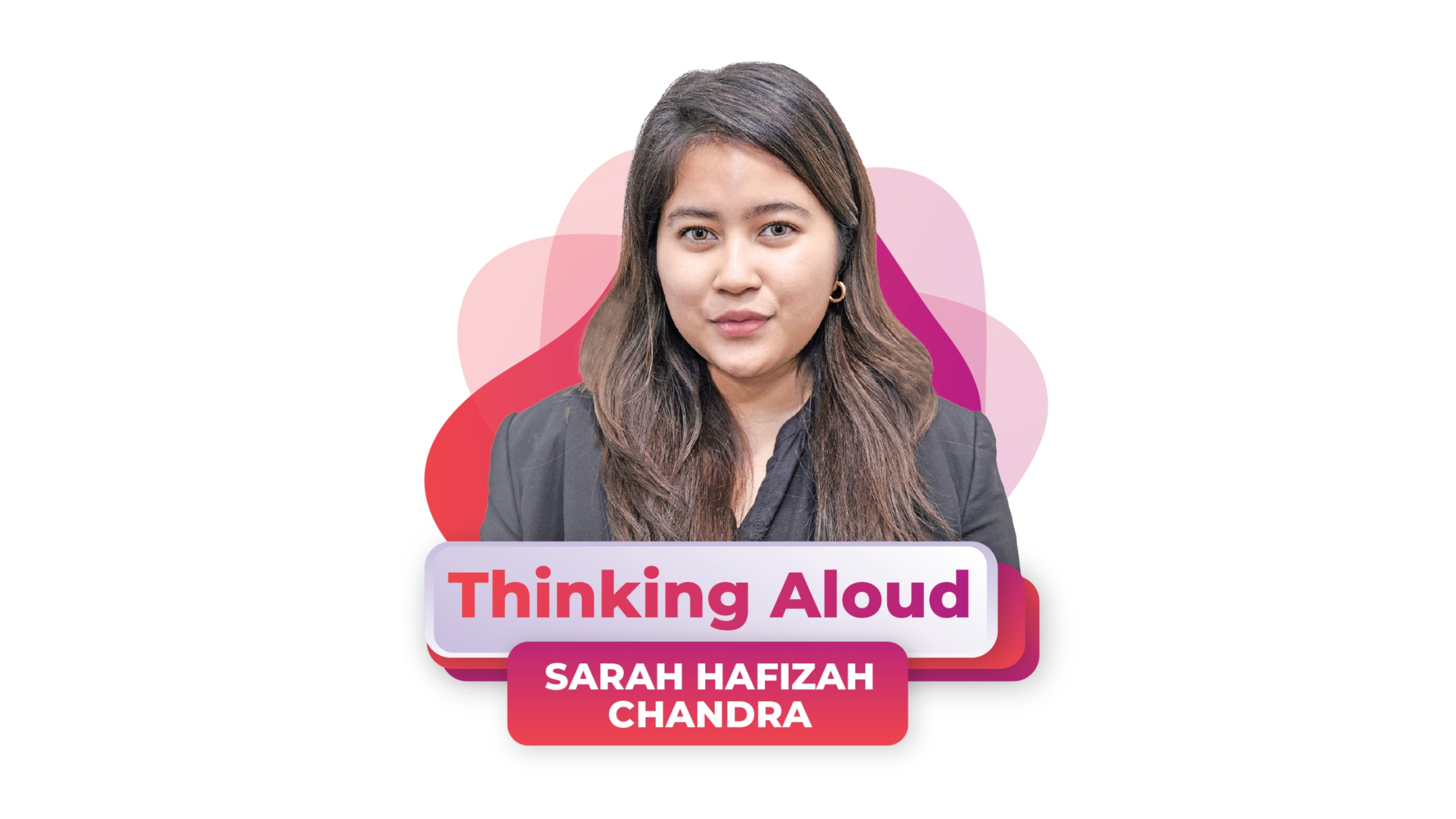
As a mother, I cannot help but think about my son and the future that lies ahead of him.
He is fortunate to be growing up at a time when opportunities are expanding rather than narrowing.
His father, like many parents, already harbours dreams for him – in this case, the hope that he might one day follow in his footsteps and become a pilot.
It is a noble aspiration, one that speaks of ambition, discipline and adventure.
Yet what gives me comfort is knowing that his future does not have to be confined to a single path.
The FTES represents choice.
It means that if my son’s interests evolve – towards engineering, science, technology, creative industries or fields we cannot yet imagine – those options will be accessible, supported and valued.
As a parent, that assurance matters.
It allows children to discover who they are meant to become, rather than who circumstances force them to be.
For many families across Sarawak, this sense of reassurance is equally profound.
In an era of rising living costs, free tertiary education offers not just financial relief, but emotional comfort.
It reassures parents that the sacrifices they make today will not be compounded by insurmountable education expenses tomorrow.
For some, it restores hope that their children can go further than they ever did.
There is also a shared responsibility that comes with this opportunity.
Students who benefit from the scheme must recognise that free education is not free of obligation.
It comes with expectations – to study diligently, to uphold academic integrity and, ultimately, to contribute back to society.
Education, after all, is a partnership between the state and its people.
In the broader context, the scheme aligns with Sarawak’s long-term development vision, particularly in nurturing a skilled workforce capable of supporting emerging sectors such as renewable energy, digital technology, advanced manufacturing and healthcare.
Human capital remains the backbone of any progressive economy, and policies such as this ensure that Sarawak is not left behind in an increasingly competitive world.
Years from now, the success of the FTES will not be measured solely by enrolment figures or budget allocations.
Its true legacy will be reflected in the graduates it produces – confident, capable individuals who carry with them the knowledge that their state believed in them first.
When a government chooses to invest in education, it invests in more than degrees and diplomas.
It invests in choice, mobility and hope.
And today, Sarawak has chosen to make that investment clear, bold and deeply personal for families like mine, and thousands of others across the state.

“Education is the most powerful weapon which you can use to change the world.” – Nelson Mandela (1918-2013) was a South African anti-apartheid revolutionary, political leader, and philanthropist who became a global symbol of resistance to racial oppression and a champion of human rights.
The views expressed here are those of the writer and do not necessarily represent the views of Sarawak Tribune. The writer can be reached at sarahhafizahchandra@gmail.com.