KUCHING: The Ministry of Health (MOH), through its Traditional and Complementary Medicine (T&CM) Division, is stepping up efforts to study and potentially recognise traditional medical practices of the indigenous peoples of Sarawak, Sabah, and the Orang Asli of Peninsular Malaysia under the Traditional and Complementary Medicine Act 2016 (Act 775).
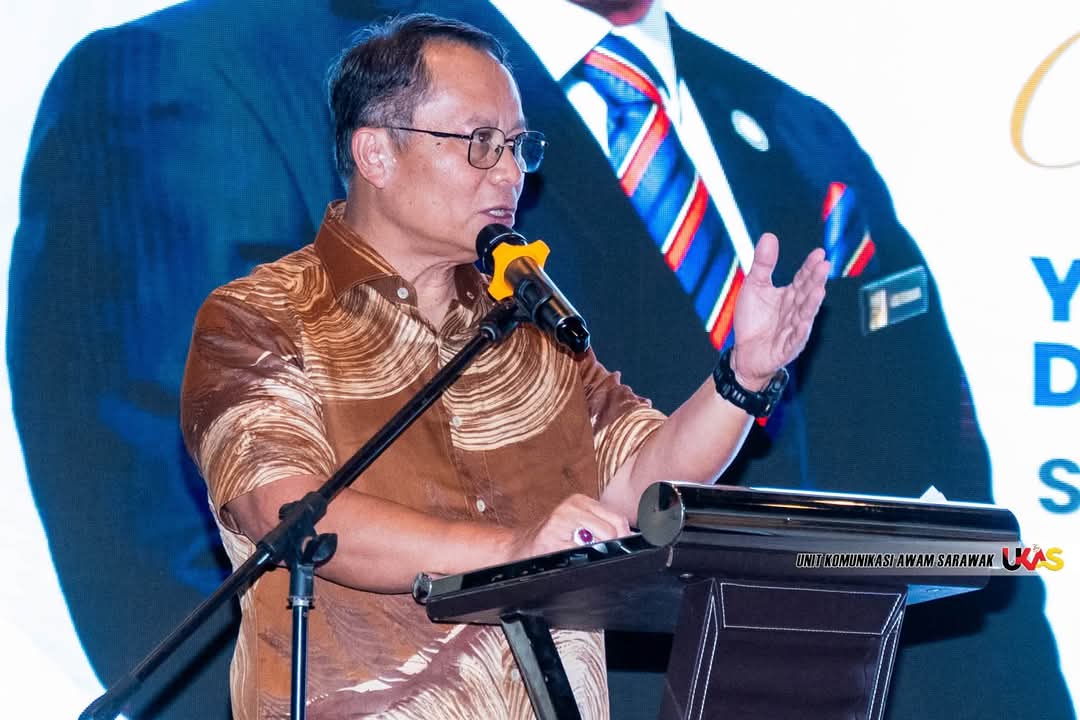
Deputy Health Minister, Datuk Lukanisman Awang Sauni, said the initiative aims to document, scientifically evaluate, and give due recognition to traditional practices under the country’s legal framework.
“In the context of community health among the indigenous peoples of Sarawak, traditional medicine is not merely a treatment system, but also forms part of the lifestyle and spiritual, emotional, and social support.
“Therefore, integration and mutual understanding between modern and traditional medicine are crucial to realising more holistic and inclusive healthcare that accommodates local cultural needs,” he said.

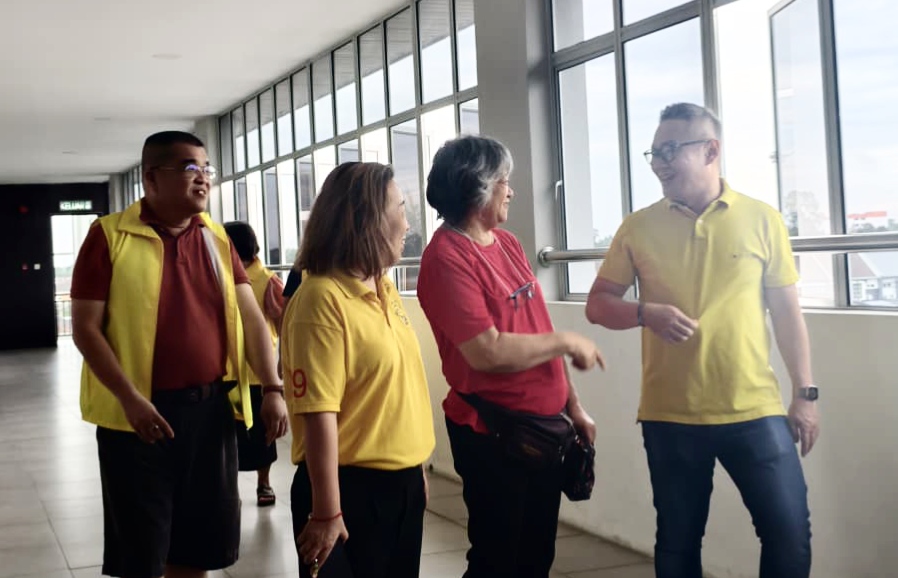
He said this when when officiating at the ‘Jalinan Madani Bersama Pengamal Perubatan Tradisional Anak Negeri Sarawak’ programme held at a local here today.
Lukanisman further said that MOH, in collaboration with local universities, is also currently conducting mapping of traditional medical practitioners and practices of the indigenous peoples of Sarawak, Sabah, and the Orang Asli of Peninsular Malaysia.
Engagement sessions are also being held with policymakers, community leaders, ethnic representatives and local researchers.
“This is to develop a strategic recognition plan. And this approach is aligned with the Bumiputera Transformation Plan 2035 (PuTERA35), the One Health principle, and the WHO Traditional Medicine Strategy 2025-2034,” he said.
Following the launch of PuTERA35 by the Prime Minister Datuk Seri Anwar Ibrahim on August 19 last year, MOH had proposed the inclusion of traditional medicine development for indigenous peoples of Sarawak, Sabah and Orang Asli communities.
A special Working Committee was established on May 28 this year to implement related policies, strategies and initiatives, he added.
Later when speaking to reporters, Lukanisman said that currently seven T&CM practices are recognised in Malaysia under the Act 775, namely traditional Malay medicine (TMM), traditional Chinese medicine (TCM), traditional Indian medicine (TIM), Islamic medicine, homeopathy, chiropractic, and osteopathy.
“Massage, for instance, is common across many ethnic groups, but through further research and engagement with experts, we hope to identify the unique pressure points or techniques that serve as signature practices of each community.
“If such findings are established, then under Act 775, we may be able to incorporate the traditional practices of the Orang Asli in Peninsular Malaysia, indigenous peoples of Sarawak and Sabah. That is the ultimate goal of the ‘Jalinan MADANI’ programme,” he said.
He added that for a start, the MOH T&CM Division has engaged with traditional practitioners from the Bidayuh community in Padawan and Serian on August 18 and 19 to learn about their traditional medical practices.
“At present, many traditional practitioners in Sarawak remain unregistered, with their methods yet to be formally documented.
“Therefore, further research is required, and hence the Ministry of Economy and the Ministry of Natural Resources have provided allocation to carry out the study,” he said.
Lukanisman added that feedback from community leaders from various divisions would be welcomed to strengthen such initiative.
Sarawak, he said, has a vast geography and rich ethnic diversity, and many healing traditions practised by the indigenous communities are still needed to be explored.
“With the findings, we will be able to formulate a more comprehensive policy on traditional medicine in Malaysia,” he added.
Meanwhile, the two-day ‘Jalinan MADANI Bersama Pengamal Perubatan Tradisional Anak Negeri Sarawak’ which started on Thursday is jointly organised by the MOH and the Sarawak Premier’s Department.
A total of 180 participants attended, comprising community leaders, indigenous traditional medicine practitioners, university representatives as well as those from the federal and state agencies.
Earlier, the programme was first held in early July 2025 in Peninsular Malaysia, followed by Sabah and Sarawak.