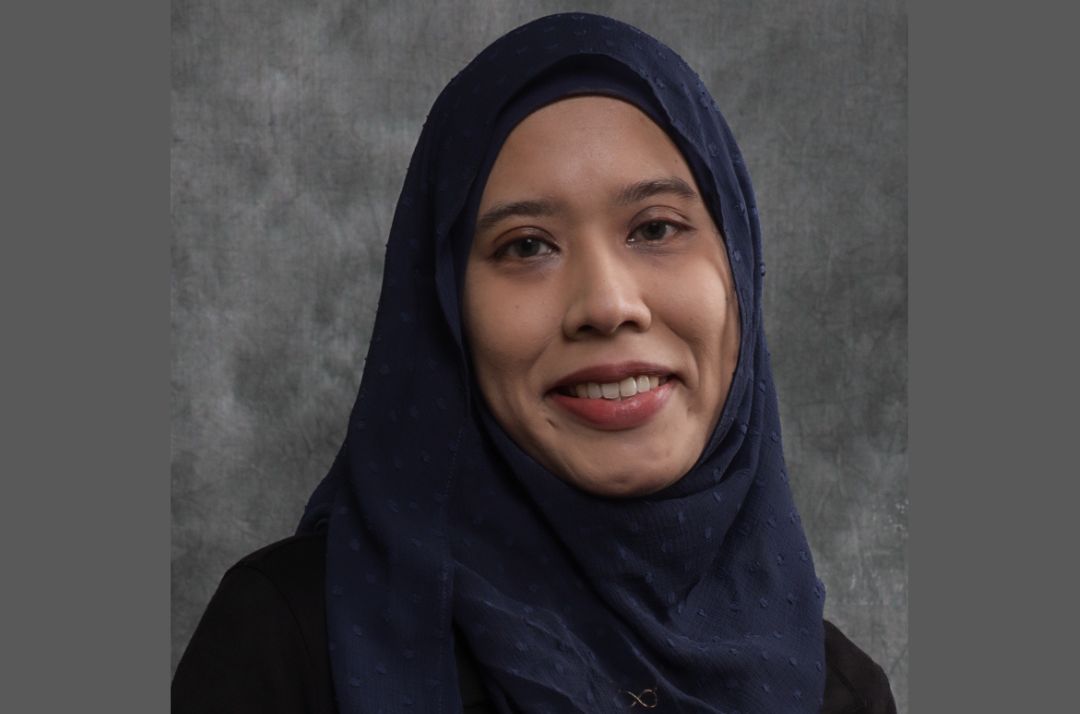
KUCHING: Retirement planning should move beyond the idea that one savings number fits everyone, said Dr Afiza Abu Bakar.
The Universiti Malaysia Sarawak (UNIMAS) Faculty of Economics and Business senior lecturer said EPF retirement planning has long revolved around Basic Savings, which helped but also created a false sense that one figure works for everyone.
“The new ‘Retirement Income Adequacy’ tiers finally acknowledge what most Malaysians already know from lived experience. Retirement needs are not the same for everyone,” she told Sarawak Tribune.
She said the tiers give members a way to judge where they stand and to think in terms of outcomes rather than a single finish line.
“In simple terms, the new tiers are like signboards along a highway rather than a single finish line,” she added.
“These figures help translate an abstract idea into something more concrete.”
She said each tier signals a different kind of retirement, from essentials to breathing space to longevity and comfort.
“The RM390,000 tier reflects a very basic level of retirement. It is about getting by, covering essentials, and living modestly.
“The RM650,000 tier offers more breathing space, especially when healthcare costs start to rise,” Afiza explained.
“The RM1.3 million tier is about longevity and comfort in a country where people are living longer and retiring earlier than before.”
She said the shift matters because many workers have career breaks, informal work, or periods of low wages, and a single benchmark did not reflect those realities.
“A single benchmark did not capture these realities,” she added.
Afiza said other systems have long used multiple reference points when communicating retirement adequacy.
“Malaysia is simply catching up to what has become global best practice,” she informed.
She said the tiers also make trade-offs clearer for workers, employers and households.
“For workers, the message is not panic or pressure. It is clear. For employers, it is a reminder that EPF contributions alone may no longer be enough if we are serious about long-term employee wellbeing,” Afiza stressed.
“A retiree relying on RM390,000 may need to live with children, avoid private healthcare, and carefully ration monthly spending. At RM650,000, retirees may manage basic bills independently and afford occasional medical treatment without stress.”
On withdrawal flexibility for higher balances, she said EPF’s caution reflects the risk that early access can provide short-term relief but leave long-term scars.
“The COVID period was a clear reminder of how quickly retirement savings can be depleted when crises hit,” she stressed.
She said the policy intent is to balance protection with practicality, because life events do not always align neatly with retirement timelines.
“People’s lives do not always move in straight lines,” she added.
She said the latest change is targeted rather than a repeat of broad withdrawal policies.
“For them, flexibility is about managing life better, not surviving,” she added.
She said access to excess savings can help households manage costs and transitions without touching the core retirement amount.
According to Afiza, allowing access to excess savings can help with healthcare costs, late-career transitions, or financial restructuring, without touching the core retirement amount.
She said the bigger risk is not liquidity, but members withdrawing without a plan.
“The bigger issue is not money leaving the system, but how wisely it is used. The real danger is not withdrawal but withdrawing without a plan,” she explained further.
On voluntary savings, she said EPF was built for a formal workforce, but Malaysia’s labour market now includes a large share of gig workers, freelancers and caregivers.
Gig workers, freelancers, and caregivers are now a major part of the economy.
Afiza said matching incentives matter because informal workers often place saving last when income is uncertain, and the incentives signal recognition.
“Matching incentives help make saving feel worthwhile, even if the amounts are small,” she added.
“They also send a message that the system recognises gig workers and caregivers as legitimate contributors.”
Afiza said higher matching incentives for e-hailing and p-hailing drivers make sense, but contribution caps mean the impact will build gradually.
“Incentives help nudge behaviour, but they are not a silver bullet,” she opined.
She said extending i-Suri eligibility to age 60 matters for women who spend years outside formal employment due to caregiving responsibilities.
“Giving them more time to rebuild retirement savings is both economically sensible and socially fair,” Afiza concluded.