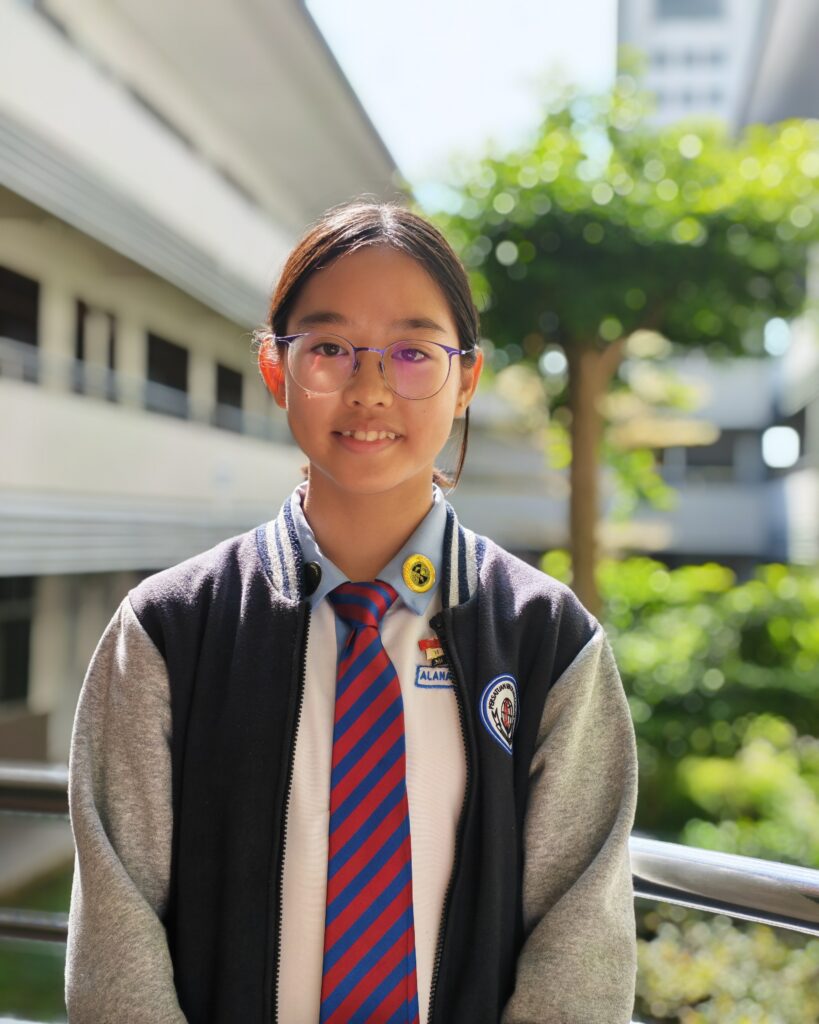
It’s quite common to slip up, as it’s a stressful environment. Players also tend to get cocky when they’re in a winning position, and then they may blunder it all. Hence, we have to pay attention to everything we’re doing. – Alana Jane Wong
Losing can be really tough, but I see it as a chance to learn. When I make a mistake, I review it and figure out what went wrong. It’s about learning the lesson and not repeating the same mistake again. – Ethan Kok
More than just a game of kings and pawns, it mirrors life’s many crossroads – where every decision, no matter how small, carries weight. As the world celebrates World Chess Day 2025, we step into the minds of young players who have found more than just strategy – they’ve discovered discipline, patience, and a philosophy for navigating life’s toughest battles.
World Chess Day
Silence, strategy, and the mind game
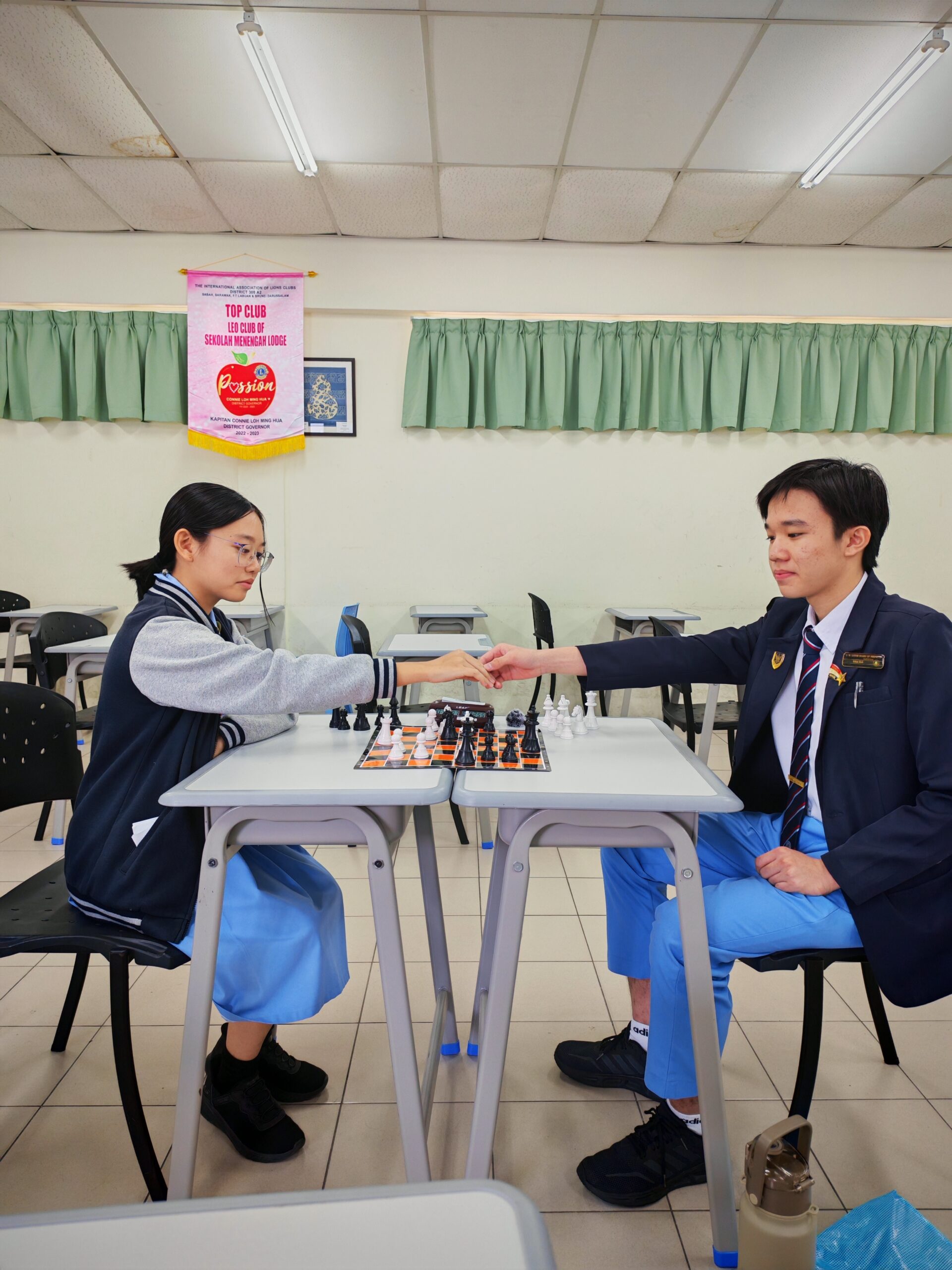
THERE is silence during a chess game, but interpersonally, for each individual – it is loud, yet careful, critical, and filled with pure judgment. A chess game can be silent, but each movement carries weight. When Alana Jane Wong, 14, and Ethan Kok, 16 – the two best chess players at Lodge National School – played against each other, the silence was deafening, and every minute that passed was nerve-wracking.
Both students had their fingers dipped in the board game since primary school, with each developing a deeper interest in it. For Wong, she was influenced by her maternal uncle, who was a chess coach.
“One time during Gawai at my mum’s longhouse, I saw him playing with my brother. It looked interesting. Furthermore, many from my mum’s side of the family were into chess,” she shared.
Meanwhile, Kok dabbled in the board game due to his interest in Chinese chess – a game he played with his father at a young age. But when he discovered the English version of chess, he was drawn to it for its strategies and playing methods.
“My father played Chinese chess as a young boy, then introduced the game to me. But when I went to school, my friend introduced me to chess, and it felt more interesting and exciting,” he revealed.
Both Wong and Kok have participated in national competitions and won several medals together. Their dedication and perseverance towards the game have translated into many wins for the school over the years.
Despite the competitive arena, Wong remains confident.
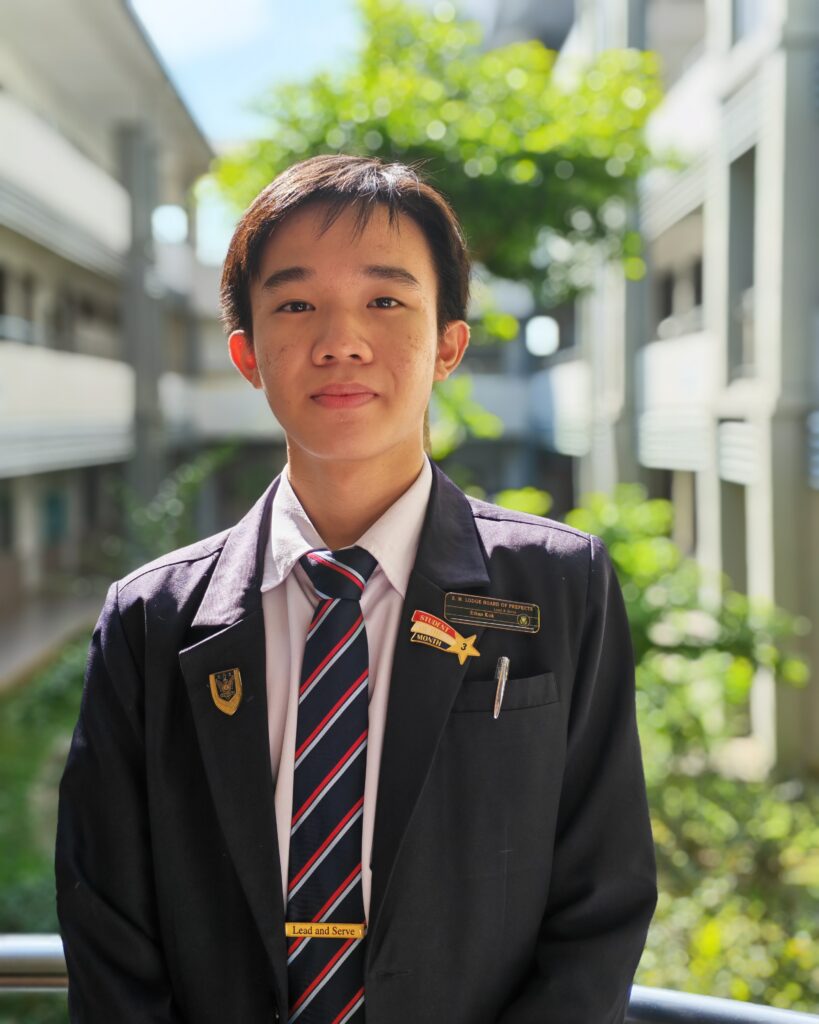
“It can really throw you off when you make a wrong move or do something that completely ruins what you’ve been building. But one important thing to keep in mind is that you can always turn a game around,” she said.
Elaborating further, she said that just as she has lost many games, there is always a chance her opponent may lose their advantage too.
“So, whenever I am in a competition, I just play confidently and hope that my opponent slips up so I can regain my winning advantage.”
There are times when she wins, but also times when she loses. However, Wong doesn’t allow pessimism to demotivate her. To her, negative emotions may cause her to lose focus in the next game.
Emotions – she opined – shouldn’t be part of the game, whether happy or sad. These could influence a player’s thinking process and may cloud their judgment.
“And these thoughts can lead them to miss a move or overlook something important,” she said.
“But if there are times when I may lose, I cannot continue playing as if I have the upper hand. I have to accept the fact that I have a very slim chance of winning, and I’m probably going to lose. So now I have to shift my focus away from winning the game to trying to get a draw, or at least not lose too badly.
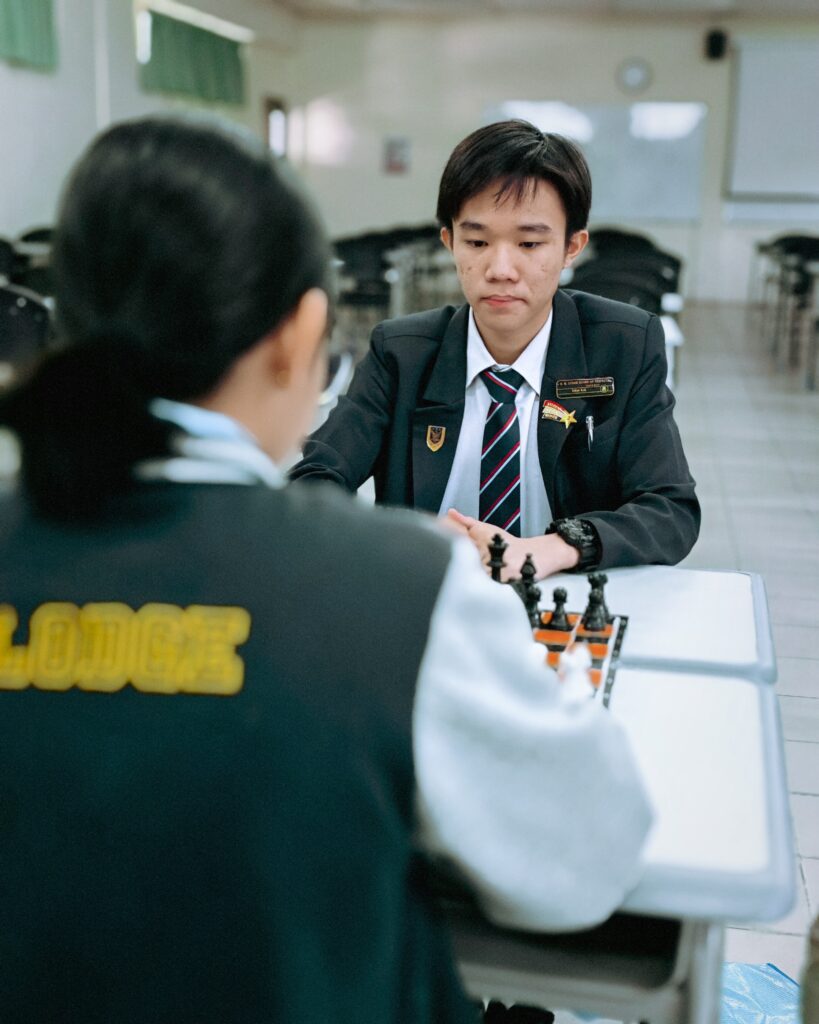
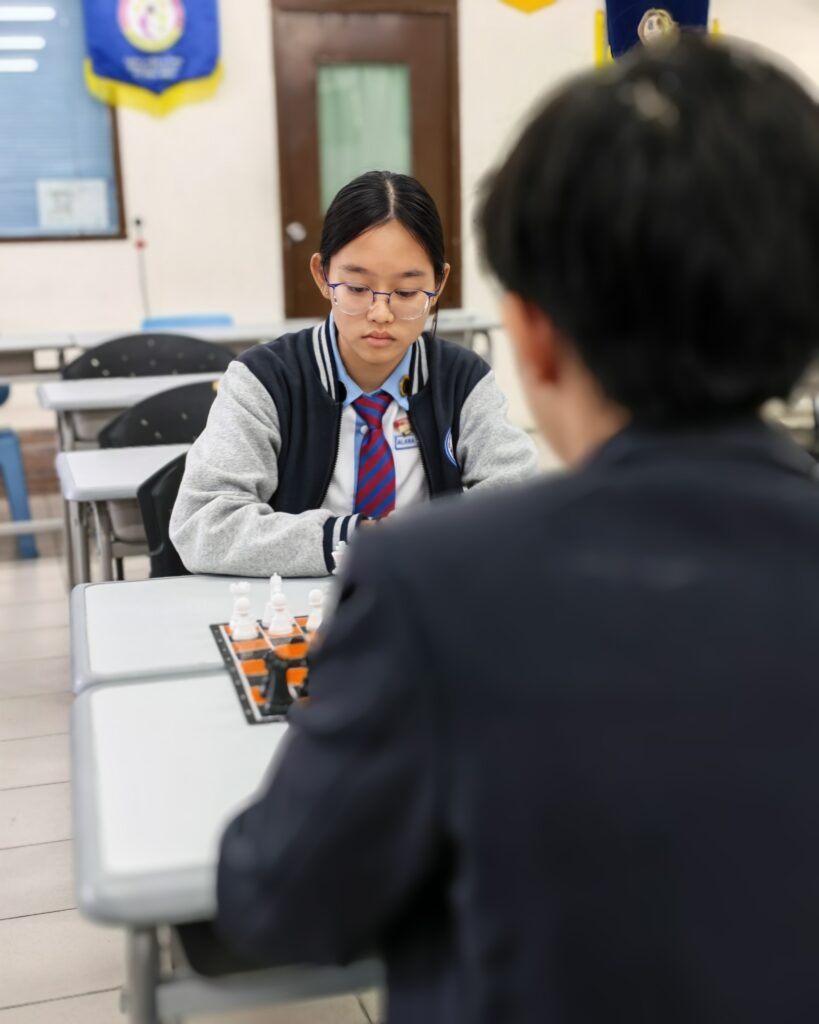
“And in these situations, there’s always this option to resign in a chess game, so that can be very tempting. But I try not to do it because my teacher once scolded me for doing that. He said that if you give up, you’ll never know what could have been.
“Your opponent could have lost their advantage. They could have lost their focus. So you really need to continue, even if you’re in that situation,” she added.
Meanwhile, for Kok, the biggest life lesson chess has given him is that every action has its consequences.
“No matter what you do, there will always be results to your actions. So, it’s really important to do the right thing and make the right moves so you don’t have to regret it. But even if you make the wrong moves, you have to accept them and use them as a lesson for your next game,” he said.
Understanding beyond the pieces
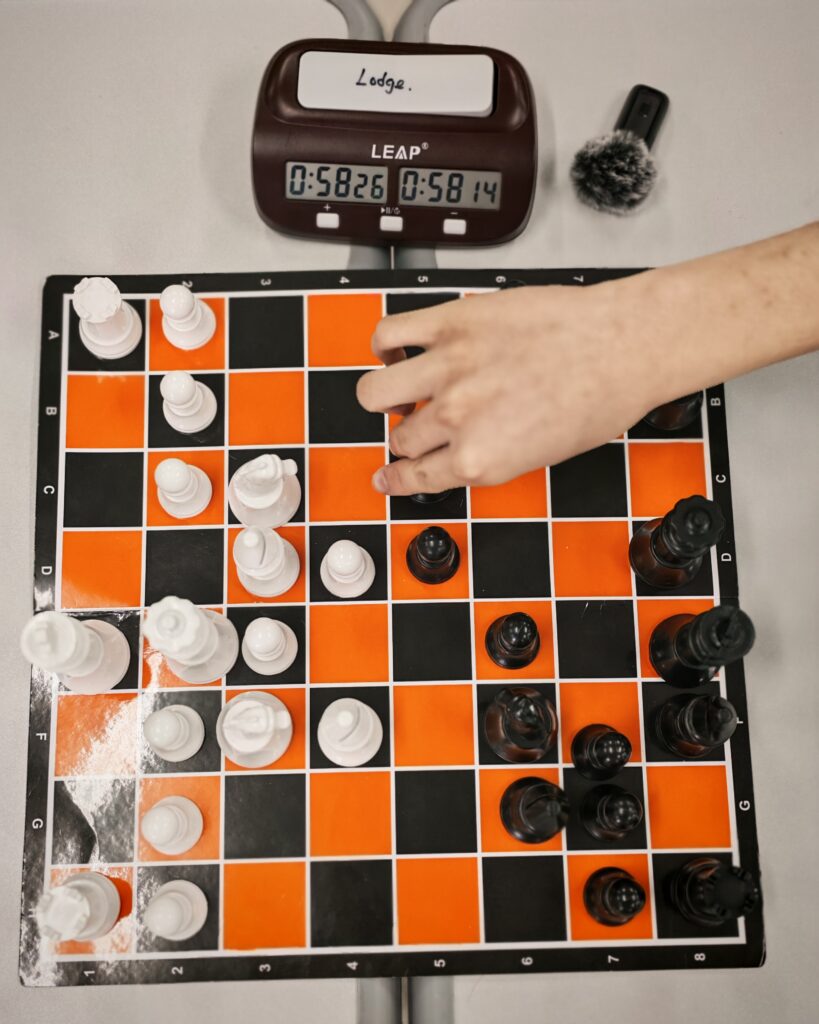
In chess, certain players’ movements can be predicted – especially against opponents they’ve played many times before. A game of tactics and strategy, chess requires deeper analysis and an understanding of the opponent’s characteristics.
Kok explained that, to him, chess is like a universal language.
“It’s like when you play against someone new, you don’t know everything about them, but you get a unique peek into their mind. You can see if they’re aggressive, creative, careful – maybe even stubborn – based on their moves,” he added.
An aggressive chess player does not think much and may move their pieces hastily. Some may be overconfident and often make blunders. Asked what type of chess player he is, Kok revealed he’s a mix of aggressive and defensive.
“Usually in the opening, I’ll defend first. Then in the endgame, I’ll decide to launch an attack.”
A chess player for many years now, Kok shared that the board game has improved his patience and focus. While playing, one cannot be too rushed or easily distracted.
“You have to fully lock in so you don’t make a dumb mistake. So this trained my concentration – whether on my studies or when working on something important.”
World Chess Day
Each year, World Chess Day is celebrated globally to commemorate the founding of the International Chess Federation (FIDE) in 1924. After the foundation’s centennial anniversary last year, FIDE has laid the groundwork for the coming decades. Among the key legacies is a renewed commitment to long-term goals such as global expansion and accessibility, to deepen chess’ social impact.
This year, World Chess Day highlights the theme ‘Every Move Counts’ – reminding us that, on the board and in life, every decision shapes our journey.
To Wong, chess is always about making the best move, whether you’re winning or losing.
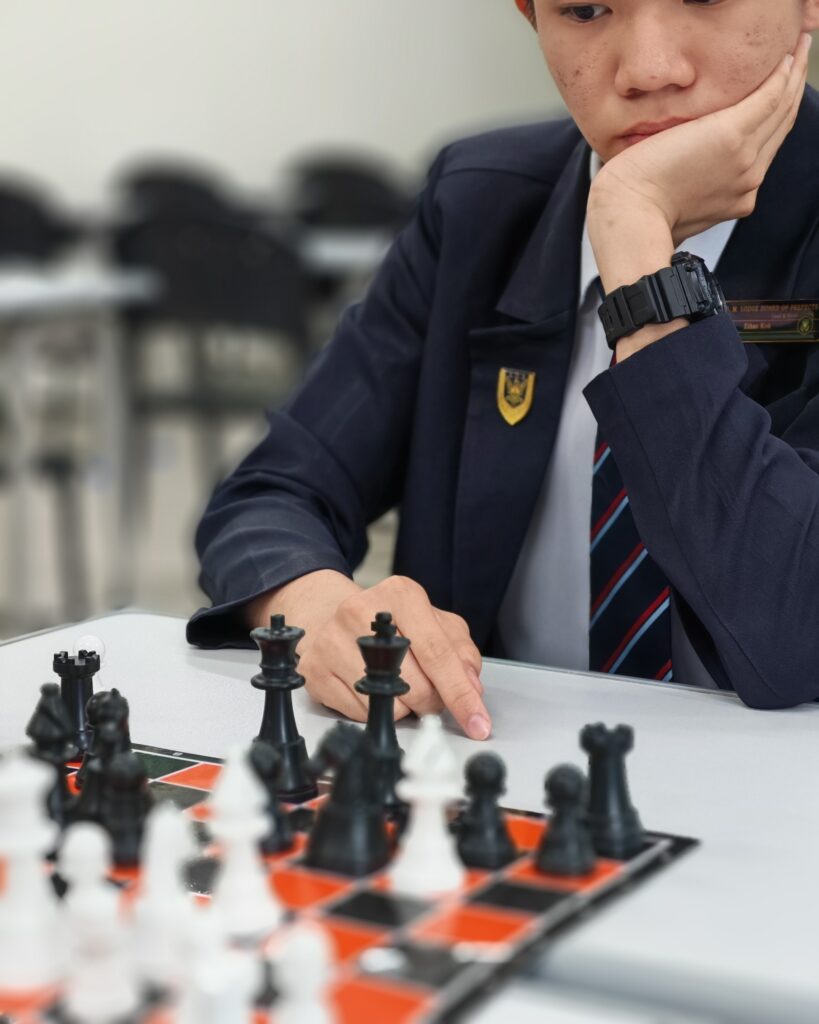

“The only thing you can do is to just think of the best move possible. So you always have to really focus. And even if you see a good move, you have to look for a better one.”
As for Kok, every move counts, and every single decision – big or small – has an impact.
“Just like in chess, one bad move can lose you the game, or one good move can win it. Just like in life, it’s all about being thoughtful, because all your actions add up to something even bigger,” he said.
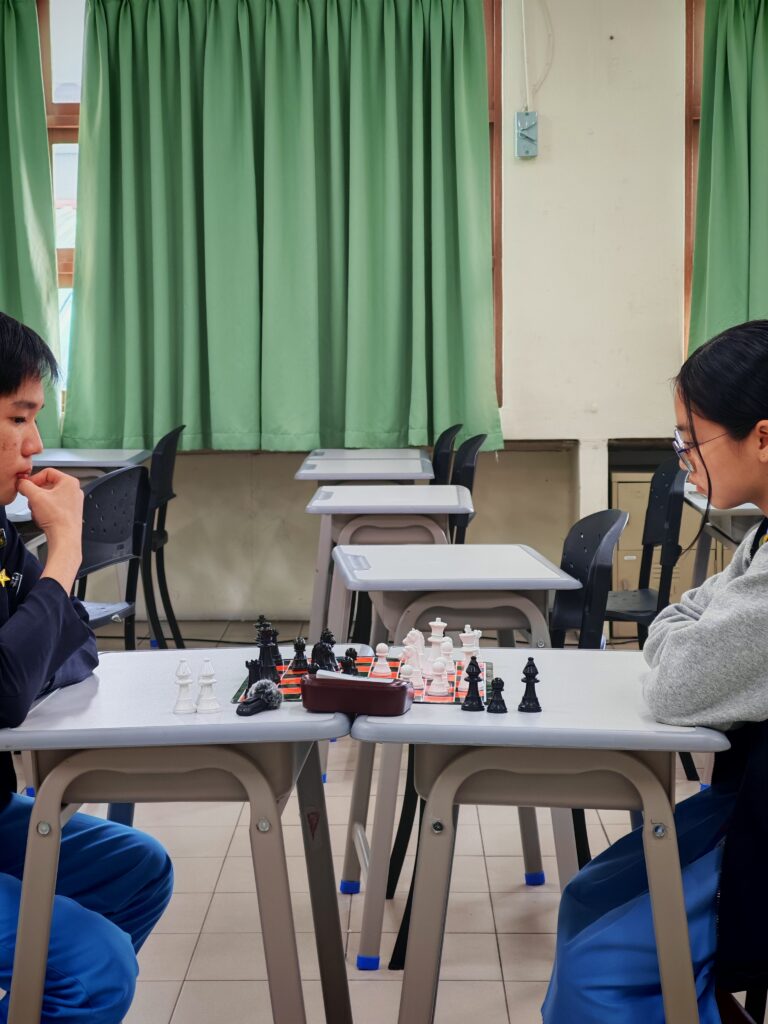
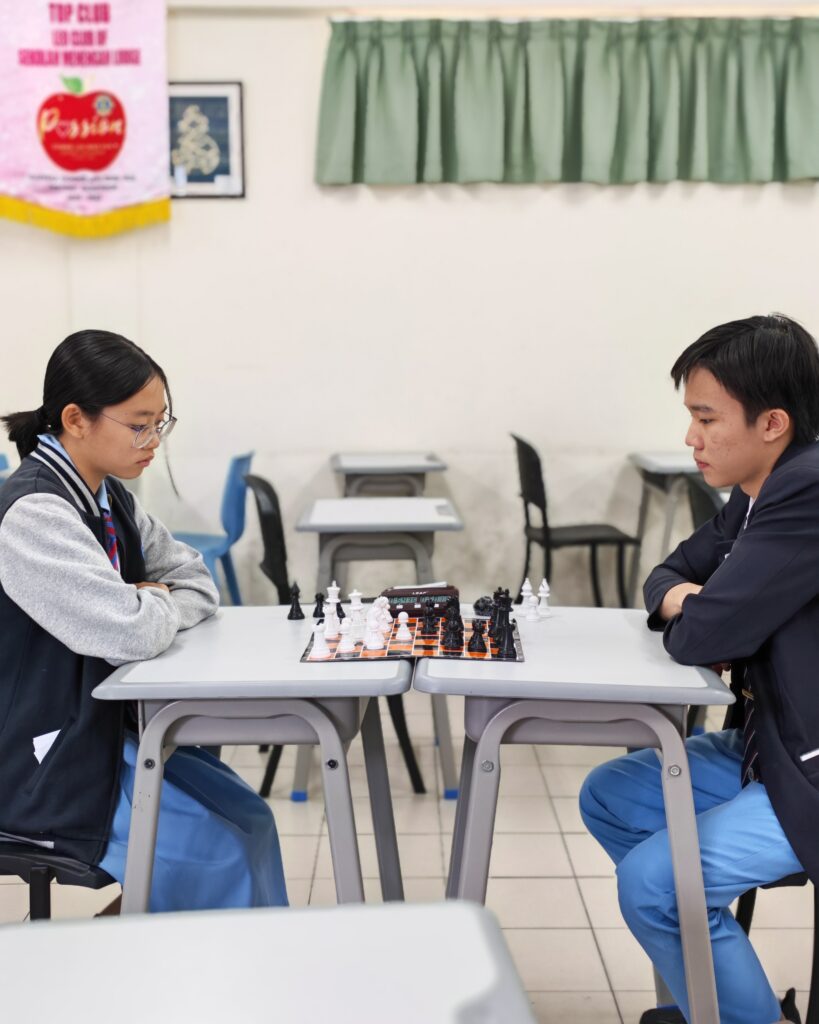
Q: If you could describe yourself as a chess piece, which one would you be and why?
Alana Jane Wong: I have a funny answer for this question, because normally you’d say you want to be a high-valued piece – but I actually think I’d be a pawn, which is the lowest-valued piece in the game. It’s only worth one point, but what’s really special about the pawn is that I think they’re really cool warriors. They stand on the front lines.
They’re the ones facing the other side at the start of the game, and in the event that this one pawn – this small, small pawn – is able to get to the other side of the board, it can be promoted into another piece, whether it be a queen, a rook, a bishop, or a knight. And a lot of times, this promotion is what lets you win the game.
So, I see a lot of myself in the pawn – because I may be small and insignificant now, but if I keep marching forward, even though it’s really unlikely for me to reach the end, there’s always this possibility and this goal I have: to become or be promoted into a queen.
Ethan Kok: I would choose to be a pawn, because people often underestimate pawns – but they’re actually like the foundation of the whole game. They move steadily forward, one step at a time, and they can’t move backwards.
So in life, I believe that with consistency and steady progress, you can keep moving forward.