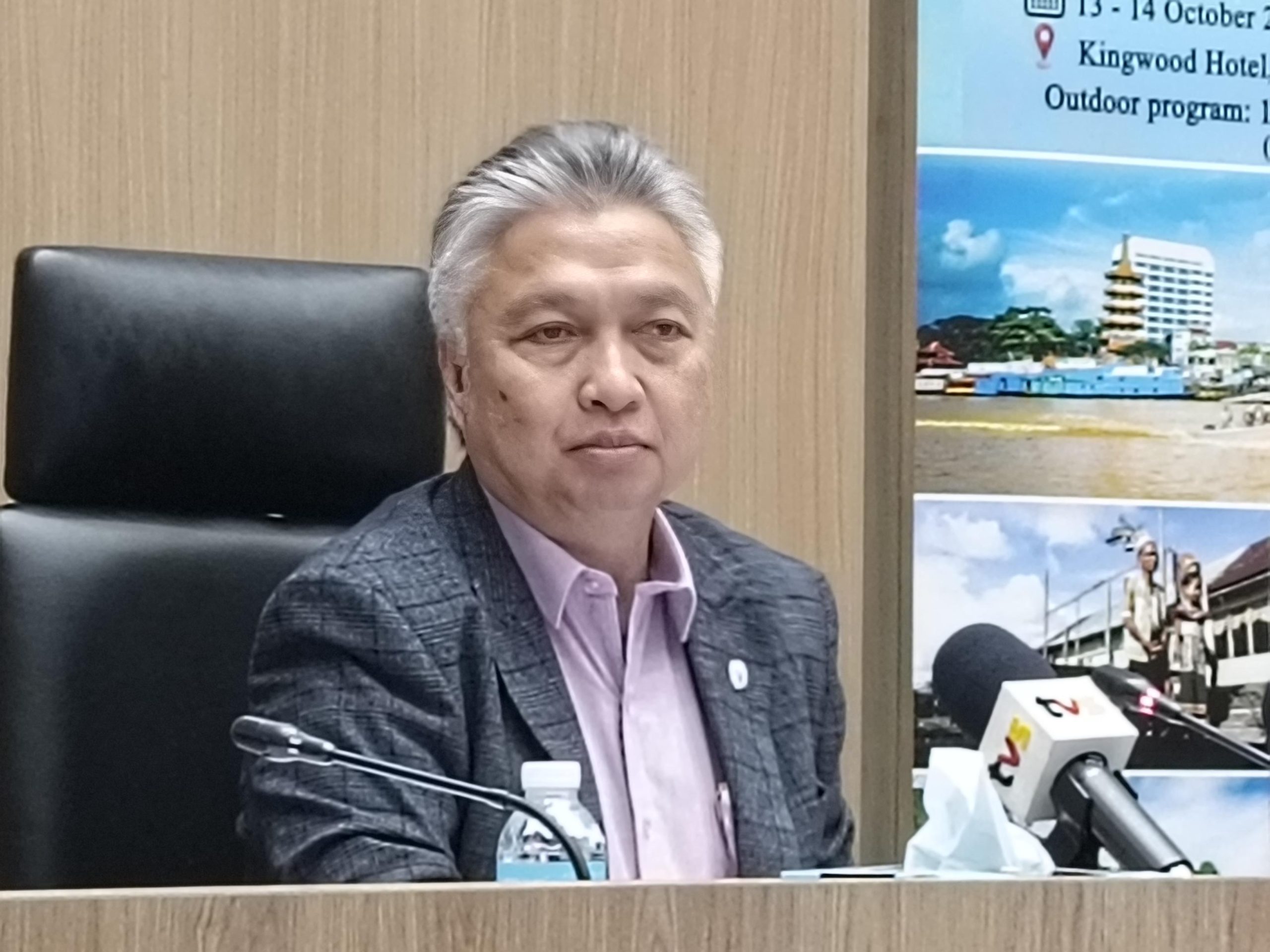
MIRI: Rural communities across northern Sarawak will benefit from improved public transport connectivity following the expansion and re-routing of stage bus services by Miri Transport Company (MTC).
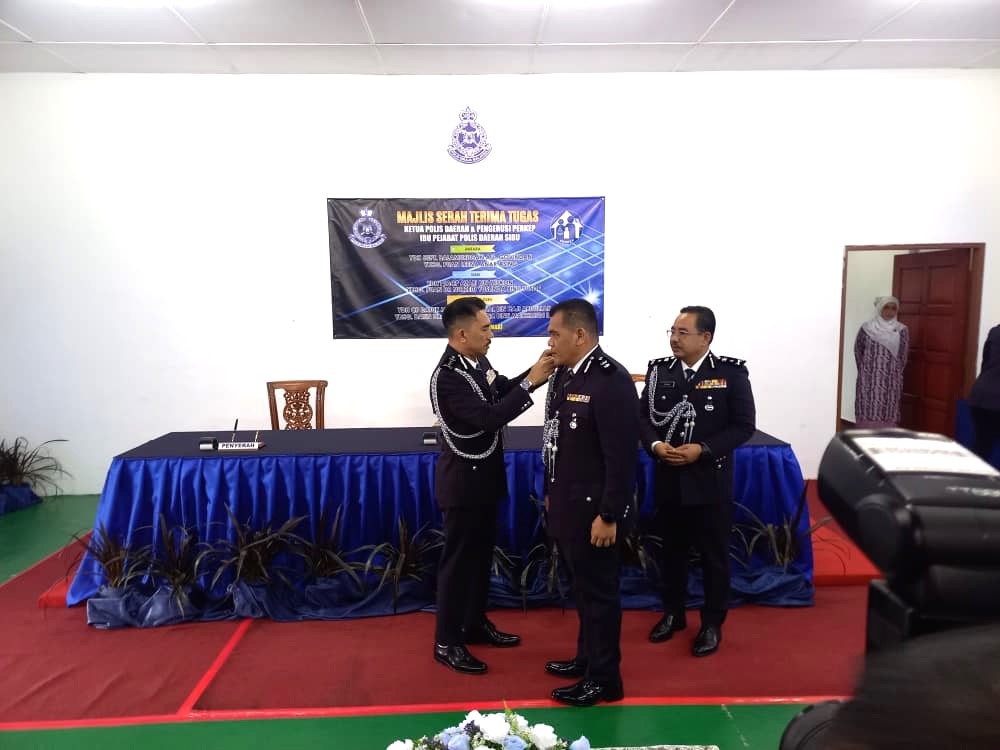
During the ceremony that took place at the Miri Stage Bus Station opposite Wisma Pelita Tunku yesterday (Aug 2), Sarawak’s Minister of Transport, Datuk Seri Lee Kim Shin confirmed that although the event was billed as a launch, the upgraded service had already commenced operations in early March this year.
“We’re not launching a new route today. What we are doing is acknowledging the increase in trip frequency and the slight adjustments to existing routes,” Lee clarified.
“This is in response to growing demand from the rural population, particularly from Long Lama and Bekenu areas,” he said.
The rural service connecting Miri to Long Lama began as a pilot project on March 8, following a request from Telang Usan assemblyman Datuk Dennis Ngau. At that time, MTC had ceased its previous stage bus services, prompting the Ministry of Transport Sarawak to step in with support, including the deployment of new, roadworthy buses.
Initially operating with two daily trips, the service has since been expanded to three trips in each direction – six trips in total – in response to increasing demand from passengers.
The upgraded route also includes adjustments, such as a re-route from the previously underused Batu Niah stop to the more accessible Simpang Ngu junction.
“We started small – just two trips a day – and treated it as a trial. Now, with consistent uptake, we’re expanding the frequency. The response from local residents has been overwhelmingly positive,” he remarked.
Meanwhile, Telang Usan assemblyman Dennis Ngau described the service as “long overdue”, stressing the financial relief it has provided to rural families.
“Previously, travelling from Long Lama to Miri could cost villagers over RM100. Now, the fare is slashed by more than half,” he said.
“People from remote settlements like Long Leng can now connect to Miri with far greater ease,” he stated adding that the route has also encouraged a modest form of domestic tourism.
“I’ve been told some people simply enjoy taking the bus from Miri to Long Lama and back – perhaps to relive the journey, or just to take in the views. It’s good for local morale and good for business,” he enthused.
The service is also facilitating the movement of local traders, particularly those from Bekenu who rely on transport links to reach Miri’s bustling weekend market (tamu).
The re-routing decision to terminate Simpang Ngu instead of going all the way to Niah Cave reflects a strategic shift in priorities. Despite early hopes that tourists would use the rural bus to visit the heritage site, actual passenger numbers failed to justify the detour.
“We had initially thought the route to Niah Cave would be popular with tourists,” said a representative from MTC. But many of them come in with tour packages, complete with private transport. It became clear that we needed to cater more to the local commuter base,” he explained.
As such, the stop now will be at Batu Niah junction, which better serves everyday travellers.
With momentum building, the Ministry of Transport is considering the establishment of a proper rural bus terminal to support future growth.
“As services stabilise and ridership increases, the need for a dedicated terminal becomes more apparent,” Lee said.
“We’re looking into it and hope to make an announcement within the next couple of months,” he added.
He also gave assurance that MTC would consider scaling up services during festive seasons to accommodate the surge in demand.
“The company has been cooperative and flexible. During peak periods, such as Gawai or Christmas, additional buses will be deployed to meet passenger needs,” he said.
The successful implementation of the expanded rural bus routes stands as a model for effective cooperation between elected representatives, government ministries and private operators.
“What we see here is not just a bus route – it’s a lifeline. It connects people to healthcare, education, markets and opportunity,” Dennis stated.
“Good transport isn’t just about movement. It’s about progress,” Lee added.