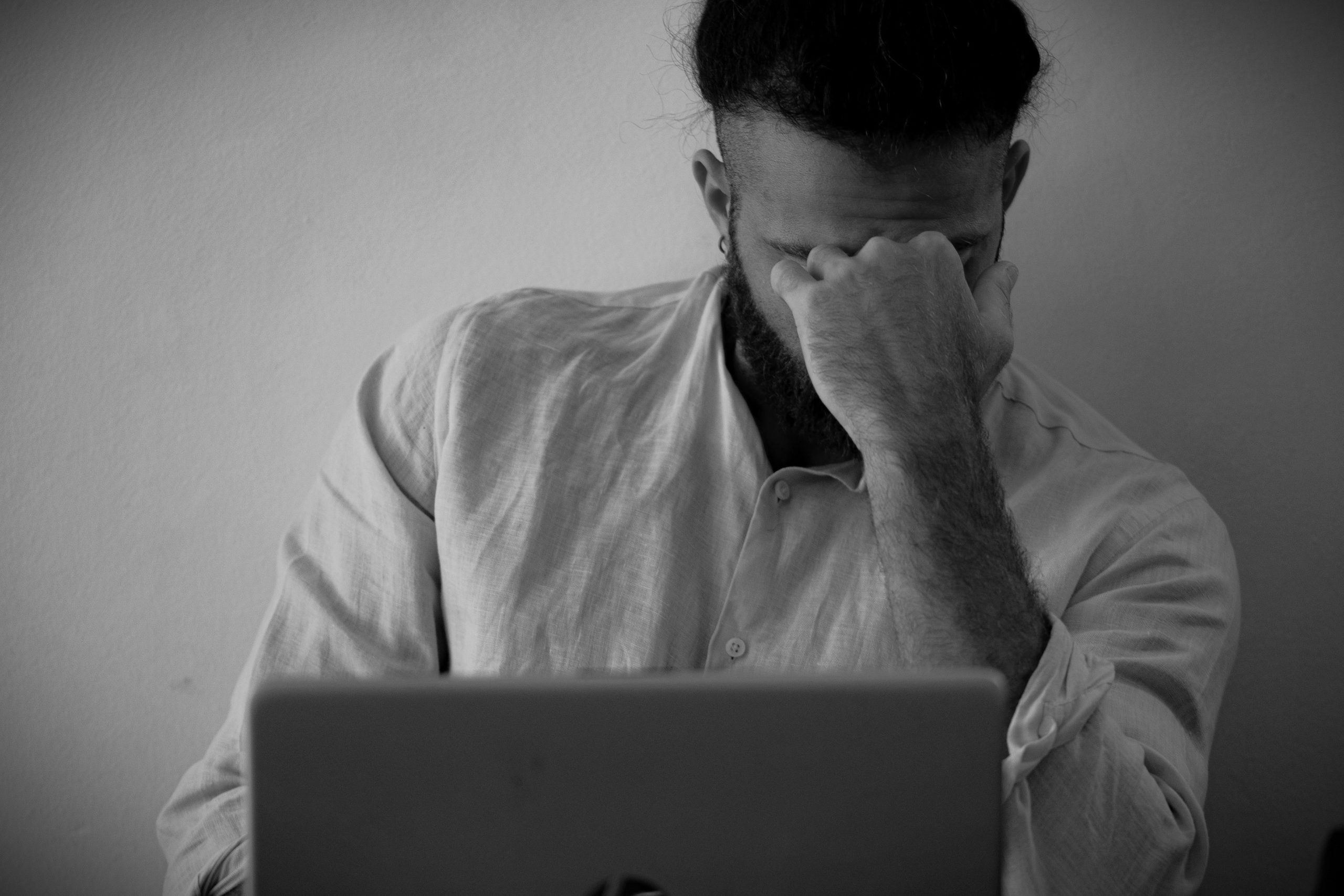
KUALA LUMPUR: A growing number of high-performing men are silently struggling with stress, burnout and emotional exhaustion despite appearing successful externally, according to wellness and leadership experts.
The experts, gathered at the Health Summit Asia (HSA) 2026 programme titled “From Performance to Alignment: The Missing Dimension in Men’s Well-Being and Leadership” here, said modern-day pressures surrounding achievement, status and productivity are driving many men to neglect their physical, emotional and mental well-being in pursuit of career success and validation.
Men’s coach, mentor and founder of MyMasterMan, Prof Maurizio Rosini, said that many men equate self-worth with accomplishments, key performance indicators (KPIs) and financial success, often at the expense of their overall well-being.
“Men see the validation of being enough when they achieve a target or a goal. Along the way, they neglect themselves physically and emotionally, therefore they become worn out,” he told Bernama in an exclusive interview during the summit.
He said many men lack emotional regulation and self-awareness because such values were rarely taught or guided from an early age.
Rosini noted that conversations surrounding men’s wellness are also evolving beyond physical strength and performance to include emotional alignment, mental resilience and identity.
He said terms such as “mental fitness” resonate better with men than “mental health”, as they help reduce stigma and resistance surrounding emotional well-being.
Meanwhile, osteopath, naturopath and founder of Metabolic Health Reset, Ricky Brown, said burnout, fatigue and low energy levels are becoming increasingly common because modern lifestyles are disconnected from basic human biological and evolutionary needs.
He said modern society’s emphasis on convenience, material wealth and constant productivity has led many individuals to disregard foundational health practices such as proper sleep, movement, stress management and nutritious eating.
“We are prioritising things deemed more important, such as material wealth, financial wealth, status and validation. At the same time, the modern environment of convenience, comfort and distraction is pulling people away from the basics that reinforce good energy, vitality and strength,” he said.
Brown stressed that sleep deprivation remains one of the most overlooked contributors to poor metabolic health and declining long-term performance.
“Without a good night’s sleep, insulin sensitivity drops the next day, leading to more blood sugar spikes and cravings for high-sugar foods. Over time, this contributes to insulin resistance and metabolic syndrome,” he said.
He also pointed to chronic stress, poor dietary habits and sedentary lifestyles as major factors affecting men’s metabolic health and energy levels.
On shift work and irregular sleep schedules, Brown acknowledged there is no perfect solution but advised workers to maintain as much consistency as possible in their sleep and wake routines, while prioritising exposure to natural light and reducing screen exposure before rest.
Co-founder of wellness technology company Kineon, Tom Sanderson, said wellness technology can support recovery, pain management and preventive health, but cannot replace basic healthy habits.
“Technology can be supportive of good disciplines and good practices, but it is not replaceable. If you do not eat well, exercise or sleep properly, technology will struggle to bring you back into alignment,” he said.
Sanderson said wellness tools and recovery technologies can help individuals maintain physical movement and reduce stress, especially for professionals balancing demanding careers and family responsibilities.
The speakers also highlighted the importance of platforms such as HSA in raising awareness and encouraging healthier leadership conversations across ASEAN.
They said such forums provide safe spaces for people to discuss wellness challenges, share knowledge and inspire practical action towards healthier lifestyles.
Offering advice to men in general, Rosini urged them to have the courage to look at themselves in the mirror and take ownership of areas of their lives that need improvement.
Meanwhile, Brown encouraged men not to fear discomfort, saying that personal growth often comes through overcoming challenges rather than pursuing constant convenience and instant gratification. – BERNAMA