KUCHING: Persatuan Anak Seni Sape Kuching (Pusak) has set its sights on elevating the sape, an iconic traditional lute of the Orang Ulu community to international recognition as a protected Sarawak heritage under United Nations Educational, Scientific and Cultural Organisation (UNESCO).
According to the Cultural Forum themed ‘Safeguarding Sound, Preserving Culture; The Future of the Sape in the Modern Era forum panelist, Elizabeth Bungan Peter, Pusak raised a crucial discussion on how Sarawak can protect the sape as part of its cultural identity, especially given the shared heritage between communities in Sarawak and Kalimantan.
She said, historically, the sape originated in Borneo among the Kayan, Kenyah and various Orang Ulu groups, long before modern national borders existed.
“Communities on both sides, Sarawak and what is now Indonesia’s Kalimantan, played, built and passed down the instrument, which at that time the border was not in existence. The culture was shared.
“Now that the border exists, sape-making villages like Long Nawang fall on the Indonesian side. Indonesia can stake a claim too, but sape is also our heritage. Sape is my culture. The border separated us, but the roots are the same,” she said when met after the forum on Sunday.
The concern, she added, is not competition but ensuring that Bornean communities collectively preserve the instrument’s authenticity, identity and legacy.

“How can we do this together as Borneans, and definitely there is a way forward, not just Indonesians, not Sarawakians, not Sabahans,” she said.
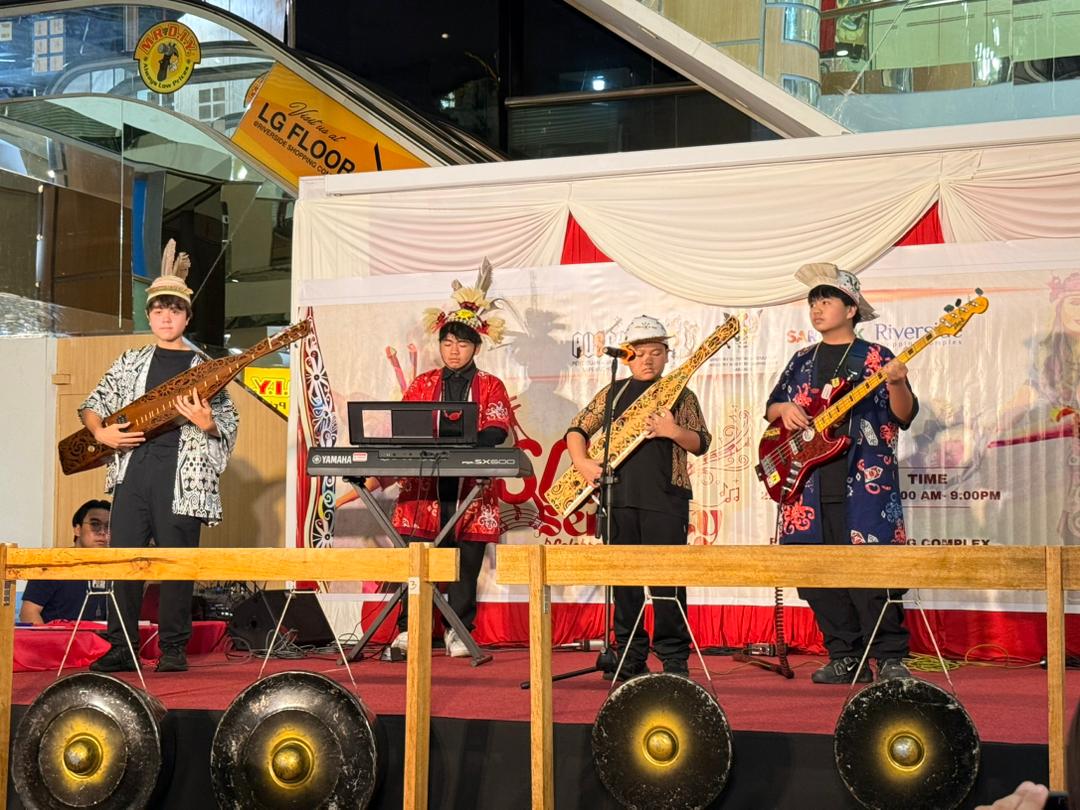
A day earlier, Pusak members took the stage with a showcase of traditional and contemporary sape performances, and on Sunday morning, the spotlight was on the junior talents during an open jamming session aimed at nurturing the next sape generations.
“We want to show that there are young successors who are ready to carry this heritage forward,” she said.
Meanwhile, Elizabeth said the Ministry of Tourism, Creative Industry & Performing Arts (MTCP) Sarawak, has been very supportive of this effort.
“Therefore, building a case for UNESCO recognition is very crucial. To bring the sape to UNESCO, Pusak emphasised the need for structured documentation, community consent and official recognition from Sarawak authorities,” she said, adding the MTCP has been actively advising Pusak on the steps needed, including standardising sape tuning and traditional knowledge; collecting historical and cultural data; conducting workshops to raise awareness; reaching rural communities where master craftsmen and tradition-bearers live and submitting groundwork documents this year for next year’s action plan.
“If we want to fight for this heritage and protect it, we must have proper data and the community’s agreement. Only then can we bring it forward for recognition,” she said.
She added Pusak also highlighted the need to expand sape education beyond major towns. While Kuching has the Bungan Creative Sape Academy (at Sarawak Plaza), the only active academy in the city and in Miri known as Sape Movement continues to champion the craft in northern Sarawak.
“Not everyone in rural areas can come to Kuching for events. We need to go to the rural areas, meet the community and include them in the efforts.
“Basically, this is a shared heritage, a shared responsibility, the sape is a Bornean heritage, one that transcends borders but Sarawak has played a major role in promoting and lifting it onto the global stage. With the community, government agencies and cultural groups working together, Pusak hopes the UNESCO bid will not only protect the sape, but also honour the generations who kept its music alive,”she said.