KUCHING: A town hall session was organised by the Ministry of Women, Early Childhood and Community Wellbeing Development (KPWK) aimed at strengthening cohesion and coordination among departments while improving public service delivery.
The session brought together officers and staff from agencies under the ministry, providing a platform to share information, address challenges and improve collaboration.
Its Minister Datuk Seri Fatimah Abdullah said the initiative marked a new approach for the ministry allowing internal departments to better understand one another’s roles and responsibilities.
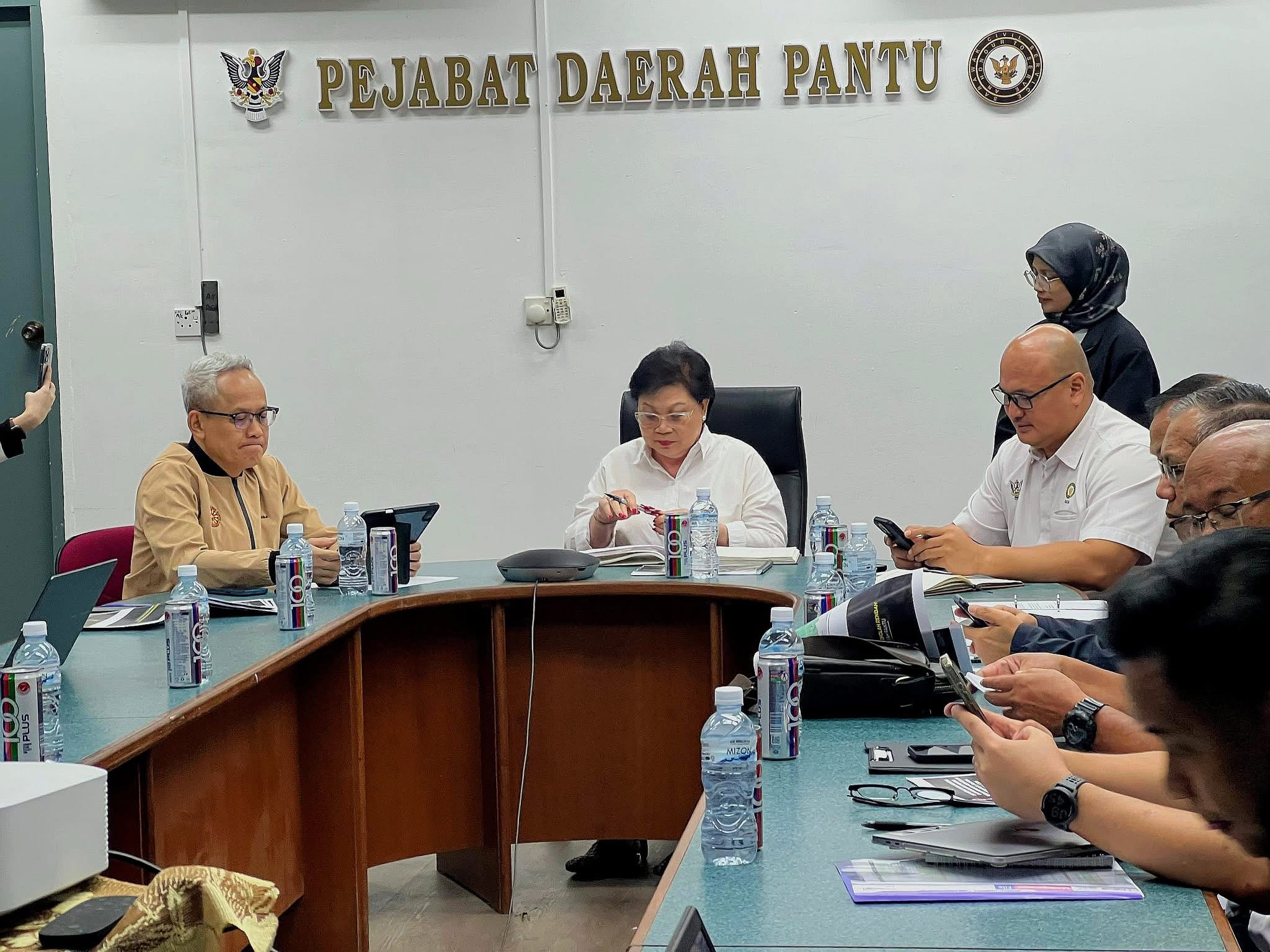
“This is something new for us. Usually we attend town halls organised by other ministries, but this time our own ministry organised it,” she said during the Media Townhall KPWK at PUSTAKA Sarawak yesterday (March11).
Fatimah noted that many staff members might not fully understand programmes implemented by other agencies under the ministry, including the Social Development Council and early childhood development initiatives.
“People in the community do not care which section handles an issue. When they know we are from the ministry, they will ask questions and expect answers,” she said.
She stressed that frontline officers must be equipped with broad knowledge so they can respond effectively or guide the public to the appropriate department.
“We cannot simply say, ‘Sorry, I don’t know.’ That is not the way we should deliver our services,” she said.
Fatimah reminded that every officer represents the ministry and government, therefore staff must act as ambassadors who provide information, assistance and solutions to the public effectively.
“As ambassadors, we must facilitate the public and direct them to the right people when necessary instead of turning them away,” she pointed out.
She added that the ministry also emphasises speed and accuracy in service delivery, urging staff to improve performance and responsiveness in assisting clients.
“We do not work in silos. Collaboration within the ministry and with other agencies is essential to deliver holistic and integrated services,” she said.
Fatimah added that many ministry programmes already involve strategic partnerships, including cooperation with health authorities, the police and anti-drug agencies in addressing social issues.
She also highlighted on the challenges faced by clients who struggle with online applications due to limited digital skills or internet access, particularly in rural areas.
“Digitalisation is important, but we must remember that some clients still need guidance. We must continue helping them during this transition period,” she said.
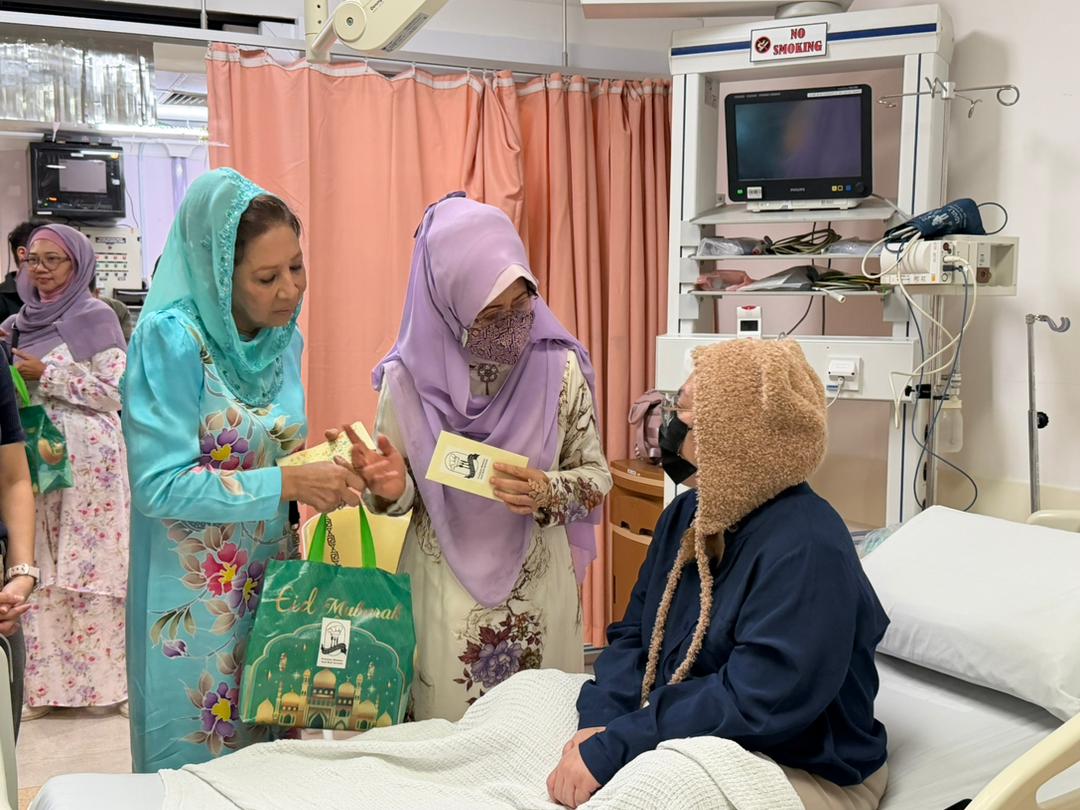
Earlier, Fatimah shared her experience visiting cancer patients at the Clinical Research Centre at Sarawak General Hospital, describing the visit as a reminder of the importance of compassion in public service.
“When you meet patients facing stage four cancer, you realise how important assistance and empathy in the work we do and provide,” she said.