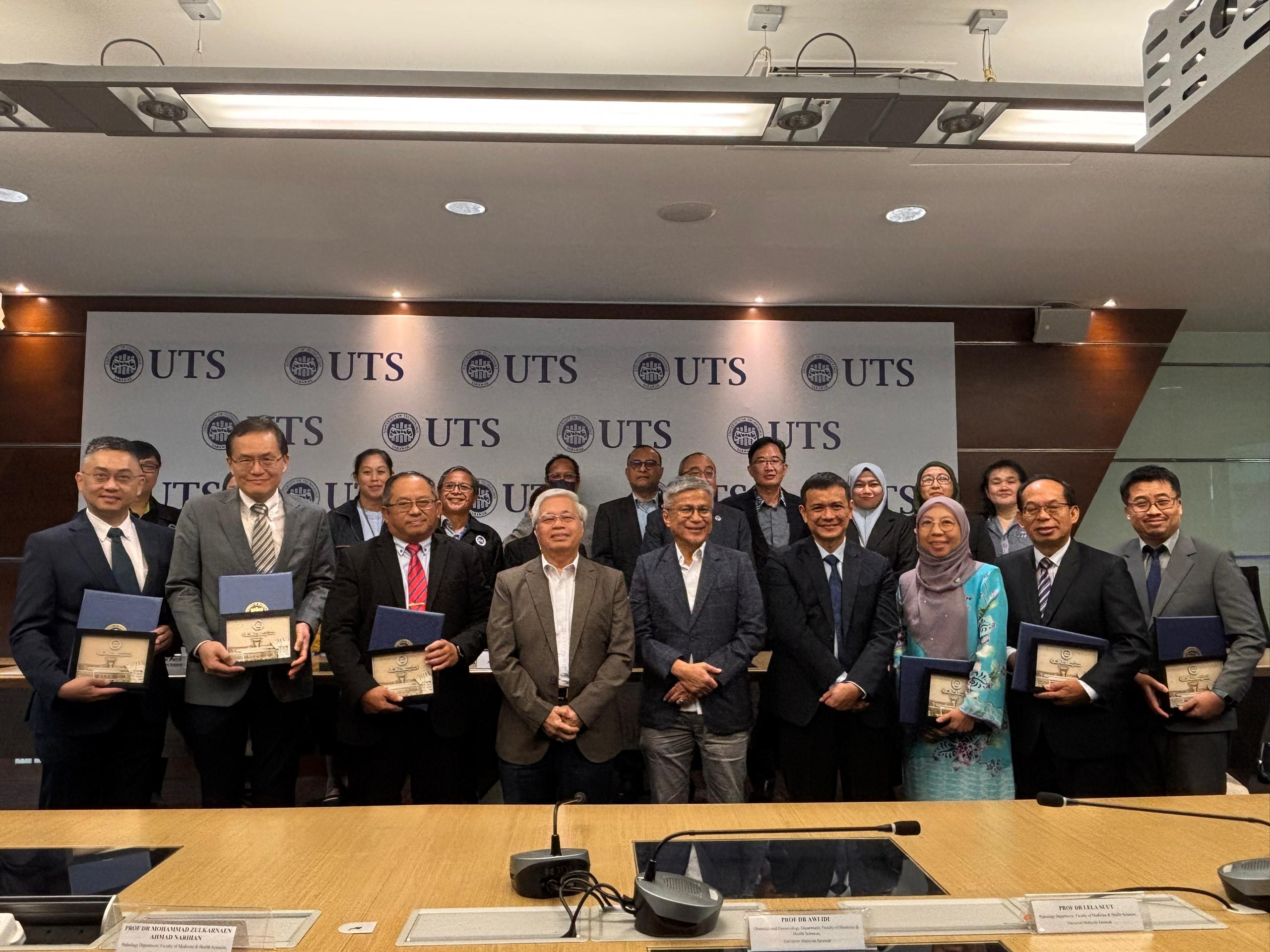
SIBU: Sarawak has taken a step forward in its efforts to produce world-class medical doctors as the feasibility study for the establishment of a medical faculty at University of Technology Sarawak (UTS) officially commenced yesterday (Dec 30).
Deputy Minister for Education, Innovation and Talent Development, Datuk Dr Annuar Rapaee, said six experts have been appointed as members of the feasibility study panel, who will prepare a comprehensive report within six months to assess UTS’ readiness to offer undergraduate medical programmes.
According to him, the panel consists of professors from Universiti Malaysia Sarawak (UNIMAS), Sarawak government hospital experts, and private sector representatives, thus ensuring that the study covers academic, clinical, and industry perspectives.
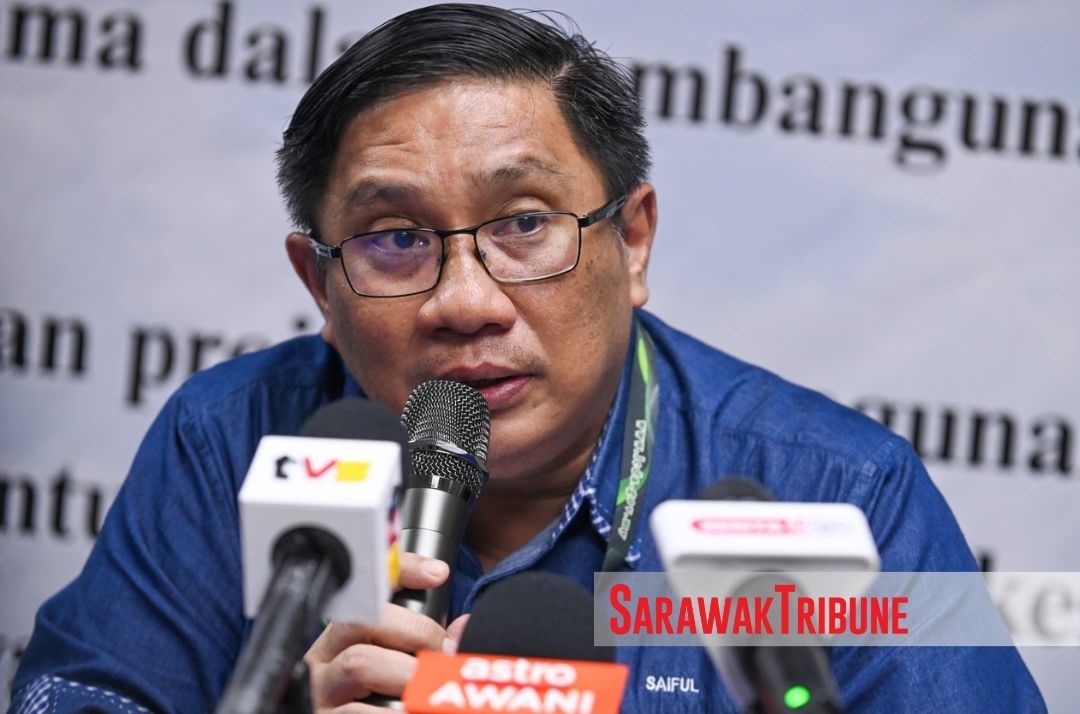
“This is not just the establishment of a medical faculty, but a long-term strategic effort to ensure that Sarawak has its own high-quality and world-recognised medical training system,” he said at the press conference after the Handing Over Ceremony of the Appointment Letter of the Feasibility Study Panel for the Medical Programme at UTS campus here yesterday (Dec 30).
The Nangka assemblyman explained that among the most critical issues to be refined is the requirement to have its own “hospital” as stipulated in the regulations for the establishment of a medical faculty.
“We will detail the purpose of the hospital itself, whether it is necessary to build a new hospital or can establish strategic collaboration with an existing hospital as a teaching hospital,” Dr Annuar, who is also UTS Board of Directors Chairman, said.
He said that the intake of medical students for the first cohort is expected to be limited to a maximum of 50 people, in line with the approval of the Malaysian Medical Council (MMC), before the number is increased in stages after meeting all the set conditions.
In terms of clinical training, Dr Annuar said that the Petra Jaya Hospital, which is being developed, has the potential to become one of the main training hospitals, in addition to utilising existing government hospitals for specialised clinical placements such as Otorhinolaryngology (Ear, Nose, and Throat) and ophthalmology.
However, he stressed that the Sarawak government’s main priority is to ensure that the medical degree offered by UTS is recognised not only nationally, but also internationally.
“I emphasise that we cannot make the wrong move. This degree must be recognised globally, especially by the General Medical Council (GMC) of the United Kingdom,” he said.
According to him, international recognition is very important to enable Sarawak graduates to further their specialist training abroad, especially in the United Kingdom, before returning to serve to meet the needs of the state.
“If it is only recognised locally but not globally, it will not provide long-term benefits to Sarawak,” he explained.
Commenting on the Sarawak Free Higher Education Scheme, Dr Annuar said that the fields of medicine and law can only be offered for free after Sarawak has its own fully operational faculties, as outlined in the current guidelines.
“After this study, if the state government is satisfied and agrees, we need to build faculty facilities, train lecturers, and provide all the infrastructure before this programme can commence,” he said.
In a development described as very encouraging, Dr Annuar revealed that UTS has received positive feedback from four world-renowned universities, namely King’s College London, University College London (UCL), University of Dundee, and National University of Singapore (NUS).
“These four universities have agreed to begin discussions with us from next January to explore academic collaboration and transfer of expertise,” he said.
He said the discussions were the next phase of the feasibility study and were expected to play an important role in shaping the UTS medical programme to be at par with international standards.
“This is a clear sign that Sarawak is on the right track to developing a medical faculty that not only meets local needs, but is also recognised globally,” Dr Annuar added.
Also present were UTS Vice Chancellor, Emeritus Prof Datuk Dr Khairuddin Abdul Hamid, and UTS Deputy Vice Chancellor, Prof Dr Mohd Shahril Osman.