KUCHING: Restoring the Malaysia ferry route could fill a strategic niche by creating new tourism circuits, strengthening inter-regional trade, and generating long-term benefits for Malaysia’s maritime economy.
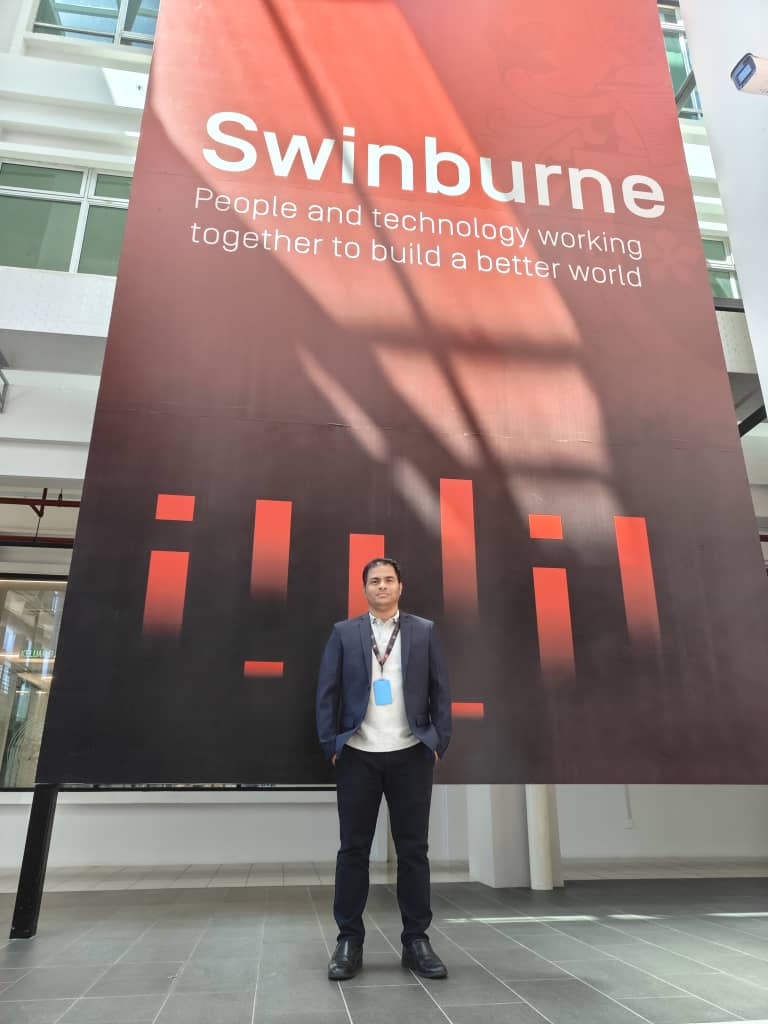
Swinburne University of Technology Sarawak lecturer Dr Nivakan Sritharan said the initiative could serve as both a symbolic and practical step towards strengthening connectivity between Borneo and Peninsular Malaysia.
“While air travel remains the fastest mode of transport, a ferry service offers a different value proposition as it connects people, goods, and tourism flows in a more inclusive way.
“It could re-establish maritime routes that encourage regional integration, promote inter-state tourism, and expand logistics options for small traders and exporters.
“The geographical proximity between Sarawak, Sabah, and the East Coast of Peninsular Malaysia provides a strategic advantage, especially when viewed from a regional perspective,” he told Sarawak Tribune when contacted.
He added that the route could also serve as an alternative gateway for Brunei or even northern Kalimantan, facilitating passenger and vehicle movement across the South China Sea.
“The service could stimulate demand in hospitality, fisheries, agriculture, and maritime logistics, creating wider economic spillovers for both sides.
“With proper coordination between federal and state agencies, and participation from private operators, a modernised ‘Sea Borneo’ could complement initiatives like AirBorneo and the Pan Borneo Highway, contributing to Malaysia’s goal of integrated, multi-modal connectivity.”
He also higlighted that the revived service could also benefit Sarawak’s coastal towns, including Bintulu, Miri, and Mukah, by increasing passenger and cargo traffic creating new opportunities for local entrepreneurs, hotels, restaurants, transport providers, and suppliers.
“Coastal tourism circuits would be strengthened as travellers explore smaller towns often overlooked by air travellers.
“The spillover benefits could extend to small-scale traders, fisheries, and local manufacturing sectors, which could use the ferry as a cost-effective channel for inter-regional trade.
“With the right infrastructure, such as upgraded ports, customs facilities, and digital ticketing systems, Sarawak could position its coastal economy as a gateway for maritime connectivity to the rest of Malaysia.”
The initiative also aligns with the state’s push to promote sustainable tourism and inclusive growth, bringing tangible benefits to communities through increased mobility and commerce.
However, from an economic standpoint, a long-haul ferry service across the South China Sea presents both promise and challenges.
“While it may not compete with air travel in terms of speed, it could find a viable niche if designed with modern efficiency and sustainability in mind.
“The original ‘Feri Malaysia’ service ceased in the late 1980s largely due to high operating costs and limited commercial returns.
“Any revival effort today would need a clear business model, possibly a dual-pricing system to balance affordability with operational sustainability, and targeted government incentives to offset infrastructure costs.”
Integration with air and land transport is crucial, and a thorough feasibility study would need to consider advances in vessel technology, green fuel adoption, and digital logistics systems.
“If executed strategically, the ferry could become a competitive option for cargo, vehicle, and leisure travel, rather than a direct rival to airlines.
“It’s less about replacing current modes of transport and more about expanding Malaysia’s multi-modal connectivity for future resilience,” Nivakan added.