By Nurunnasihah Ahmad Rashid
KUALA LUMPUR: Digital financial management could become an important enabler of Malaysia’s food security agenda by strengthening the financial resilience of paddy farmers, supporting productivity improvements and ensuring more sustainable domestic rice production.
Universiti Putra Malaysia’s (UPM) School of Business and Economics associate professor Dr Hasri Mustafa said while efforts to modernise Malaysia’s paddy sector have traditionally focused on better seeds, fertiliser use, mechanisation and irrigation, financial management should also be recognised as a key pillar of industry development.
“The rice sector is the cornerstone of Malaysia’s food security. However, while production inputs like seeds, fertilisers and mechanisation address the supply side of farming, they do not solve the fundamental financial vulnerabilities that farmers face,” he told Bernama in an interview recently.
He said paddy farmers continue to face seasonal cash-flow constraints as they typically earn their income only twice a year after harvests, making effective financial planning increasingly important to sustain farming activities throughout the production cycle.
According to Hasri, financial digitalisation enables farmers to shift from informal, reactive financial management to proactive, data-driven decision-making by providing greater visibility into production costs, cash flow, and expenditure.
“It is not merely a support tool but a foundational pillar that enables farmers to manage volatility, plan effectively and protect their livelihoods,” he said.
Financial resilience drives food security
Hasri said stronger financial management also complements the government’s broader food security agenda under the 13th Malaysia Plan (13MP) 2026-2030 and the National Food Security Policy (DKNM) 2030, which aim to strengthen domestic rice production and improve the competitiveness of the sector.
He said that the 13MP targets a RM2.5 billion value-added contribution from the paddy sub-sector through initiatives such as increasing planting frequency to five seasons within two years, wider adoption of advanced technologies and improvements to irrigation and drainage systems.
“Digital financial applications are a natural extension of this modernisation agenda. By ensuring farmers have the financial visibility to invest in productivity-enhancing measures, financial digitalisation enables the effective implementation of these national strategies,” he said.
Hasri said stronger financial management could also contribute to higher productivity and greater resilience, as farmers who can accurately monitor production costs are better positioned to reinvest in high-yield seeds, mechanisation and irrigation improvements while managing price fluctuations and climate-related disruptions.
Digitalisation enhances farm competitiveness
Based on observations and fieldwork conducted by the research team, he said more than 90 per cent of Malaysia’s paddy farmers do not maintain systematic financial records, relying instead on informal methods, mental notes or incomplete paper records.
“This lack of structured financial documentation leaves them unable to accurately track production costs, income or expenditure, while significantly limiting their ability to optimise subsidy utilisation and access formal financing,” he said.
Hasri said digital financial tools would enable farmers to keep systematic cash-flow records, maintain structured income and expenditure documentation, and prepare simple financial statements tailored to paddy farming operations, thereby improving their financial management.
He said that such records could also support evidence-based policymaking by providing policymakers with a clearer understanding of actual production costs, allowing the government to better evaluate whether existing subsidy programmes accurately reflect farmers’ production realities.
For Peninsular Malaysia alone, government allocations for paddy subsidy programmes in 2024 were estimated at RM2.12 billion, while total allocations, including Sabah and Sarawak, were estimated at RM2.18 billion.
Hasri said better financial visibility would also enable farmers to optimise the use of fertilisers, seeds and other farm inputs by tracking actual usage and expenditure, thereby improving resource allocation and reducing unnecessary costs.
To help address the gap, UPM developed iPADI, a digital financial management platform specifically designed to assist paddy farmers in recording income and expenditure, monitoring production costs and improving cash-flow planning.
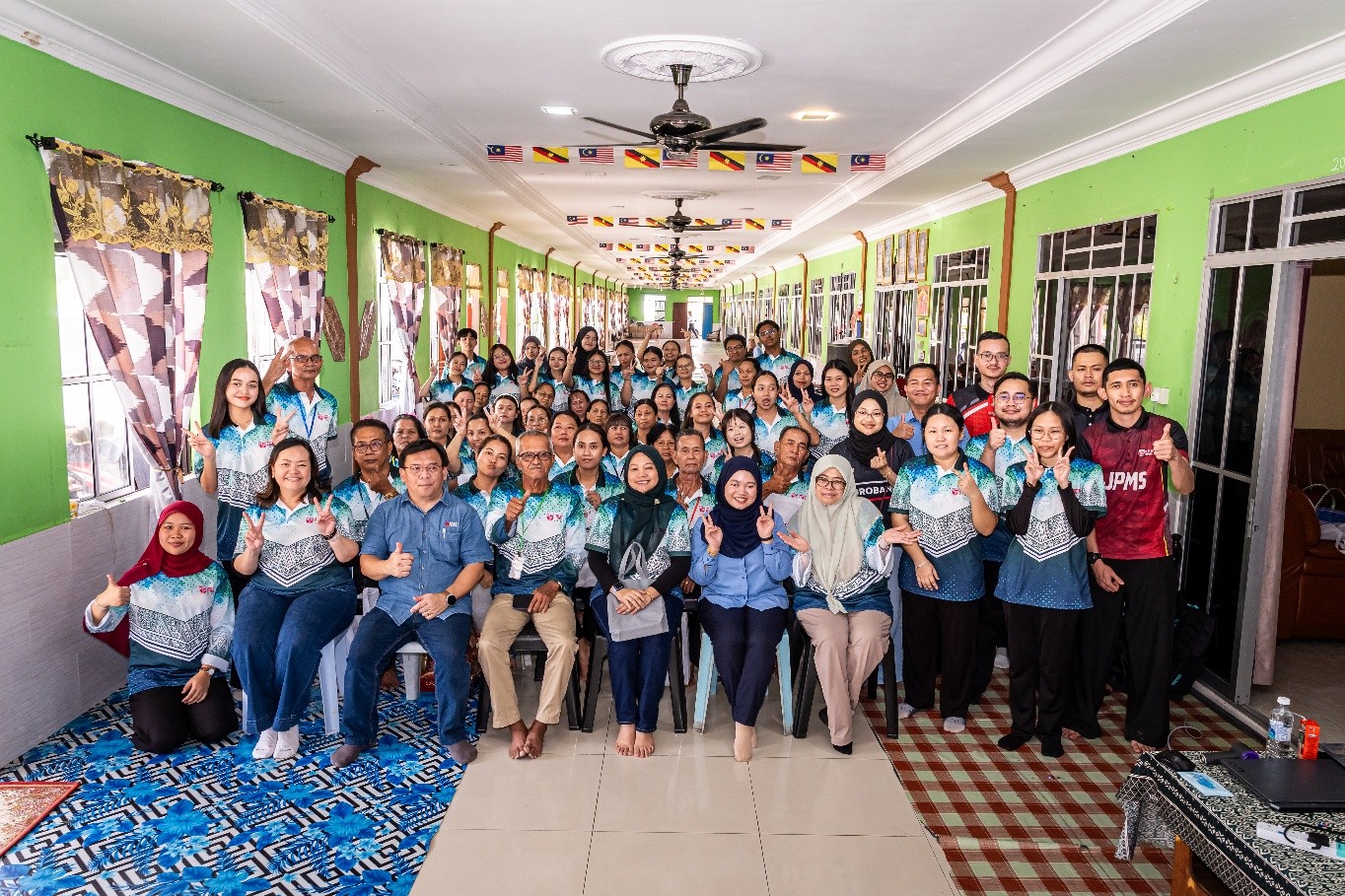
The platform is currently undergoing User Acceptance Testing (UAT), involving 225 paddy farmers from six villages in Tanjung Karang, Selangor, under a RM70,000 grant from Menteri Besar Selangor Incorporated (MBI).
Hasri said early observations indicate participating farmers are beginning to adopt more structured financial record-keeping, thus improving budgeting practices and gaining better visibility over production costs and cash flow.
However, he said that the project remains at the UAT stage and researchers have yet to collect sufficient data to conclusively determine measurable improvements in cost control, financial planning or subsidy efficiency.
“These observations are preliminary and require further validation across multiple planting cycles and locations before statistically significant conclusions can be drawn,” he said.
Looking ahead, Hasri said an estimated 150,000-180,000 paddy farmers, or approximately 65 to 80 per cent of Malaysia’s rice farming community, are expected to benefit from digital financial management tools over the next five years.
However, this would depend on continued government support, stronger digital literacy, wider smartphone adoption, and closer collaboration between financial institutions and agricultural agencies, he said.
These would enable more farmers to access formal financing, negotiate fairer prices with buyers, invest in productivity-enhancing technologies and contribute towards more stable domestic rice production.
“Financially literate and digitally empowered farmers will be better positioned to strengthen the resilience and competitiveness of Malaysia’s rice sector, while supporting the country’s long-term food security agenda,” he added.
— BERNAMA