KUCHING: Malaysia’s fisheries industry hauled in 1.91 million metric tonnes of total output in 2024, contributing RM11.8 billion to GDP and reinforcing its role in food security and the coastal economy.
The figure marks a 7.1 per cent increase from 1.79 million tonnes the year before.
The sector’s GDP contribution stood at 0.7 per cent, with annual growth rising to 2.9 per cent.
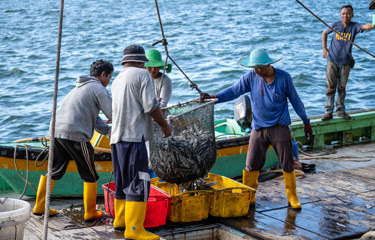
According to a statement from the Department of Fisheries Malaysia, most of the gains came from capture fisheries, which recorded 1.39 million tonnes in landings, up 9.6 per cent from 2023.
“Coastal waters contributed 1.18 million tonnes, while deep-sea vessels brought in 210,000 tonnes. Increased deployment of Zone C and C2 vessels, especially along the west coast of Peninsular Malaysia, was a key factor.
“Aquaculture also grew, though more modestly. Output rose to 511,000 tonnes from 506,000, with freshwater and brackish farming increasing by 5.7 per cent and 2.0 per cent respectively. Inland fisheries climbed to 9,652 tonnes from 9,434.
“Production in the ornamental fish and aquatic plant segment declined. However, the overall value of the fisheries sector still rose to RM16.9 billion, up 2.5 per cent from RM16.5 billion in 2023.”
The department further pointed out that Malaysia remained active in regional and global fishery markets, exporting RM4.02 billion worth of products while importing RM6.35 billion.
“Main export destinations included China, Vietnam and Thailand, with demand focused on fresh, chilled, and frozen products.
“The sector supported about 106,000 fishers and 16,873 aquaculture operators nationwide.
“However, the number of fishing vessels dropped to 43,000, with Sabah posting the sharpest decline,” it said.
Commenting on the matter, Fisheries Malaysia Director-General Datuk Adnan Hussain said the sector continued to show resilience and stable performance in 2024, contributing meaningfully to national food security, coastal development, and public wellbeing.
He said the department is implementing the National Agrofood Policy 2021–2030 with a focus on food and nutrition security.
“The Department of Fisheries Malaysia is strengthening strategic cooperation with institutions of higher learning, the private sector, and target groups to ensure the sustainable continuity of national fishery resources for future generations,” he said.