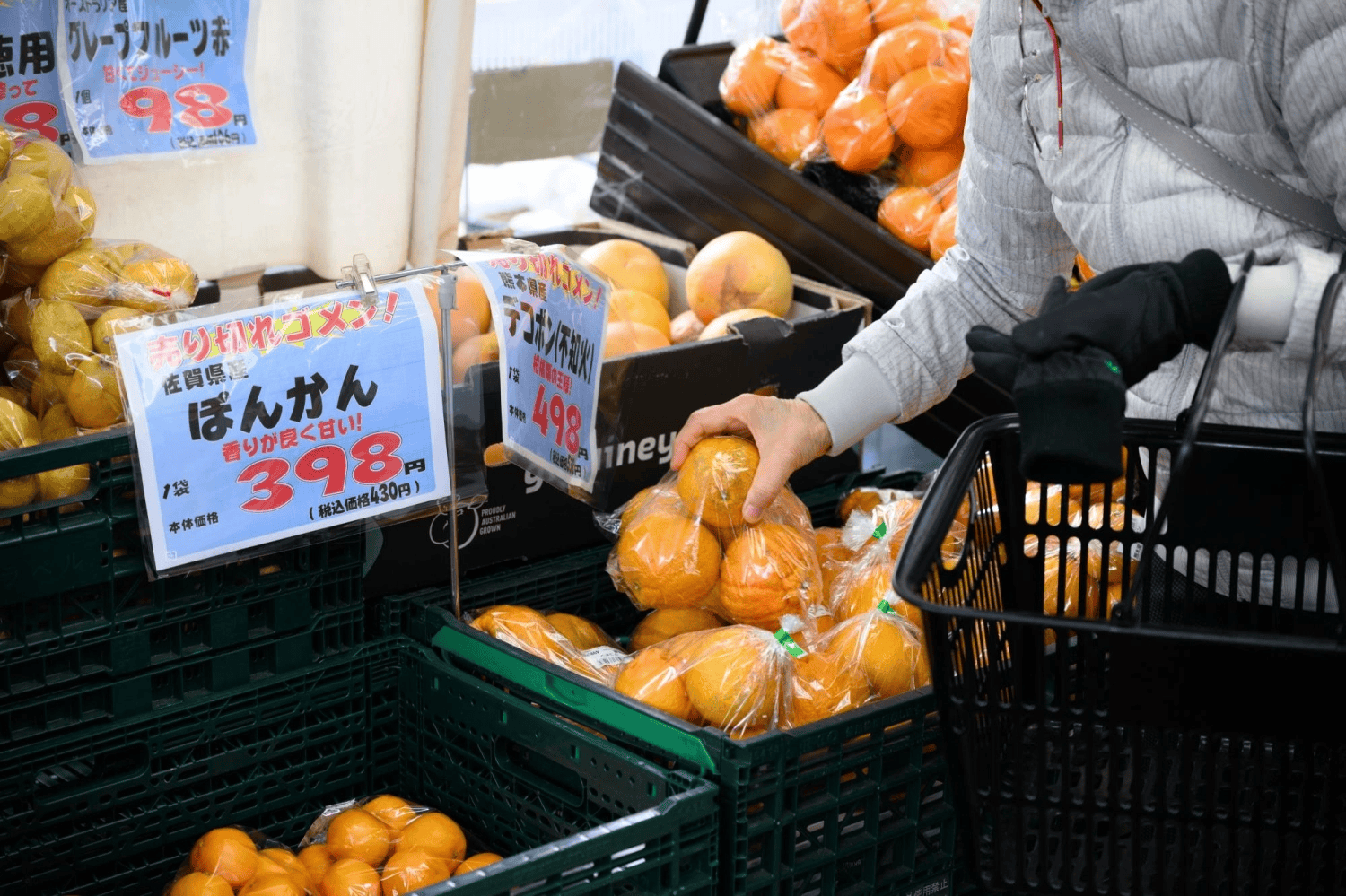
TOKYO: Japan’s House of Representatives has passed a bill to cut the consumption tax on food and beverages from eight per cent to one per cent for two years starting in April, despite concerns over its funding, Kyodo News reported.

The bill, which also introduces income-linked cash benefits for lower earners, cleared the lower house with the ruling coalition’s supermajority after being fast-tracked for a vote.
However, it faces a tougher passage through the upper house, where the coalition lacks a majority and opposition parties have questioned its financial implications.
The tax cut is expected to reduce government revenue by about 10 trillion yen (US$63 billion) over two years, with no clear plan to cover the shortfall.
Prime Minister Sanae Takaichi has said the measures would ease pressure on households struggling with rising prices and energy costs.
The government has pledged to fund the measures without issuing deficit-financing bonds but has yet to explain how.
Former Prime Minister Shigeru Ishiba, among several ruling Liberal Democratic Party lawmakers who walked out before the vote, warned that the proposal would “undermine fiscal discipline.”
“Our concerns have yet to be dispelled,” he told reporters.
Takaichi also indicated that at least 30 per cent of earners could qualify for cash benefits, suggesting broader coverage than the government’s earlier reference figure of 20 million people.
The benefits programme would initially be funded by an amount equivalent to revenue from a one per cent consumption tax on food and beverages, before its full rollout in fiscal 2029.
Opposition parties have agreed to continue discussions in the upper house following Takaichi’s remarks.
Japan has never cut its consumption tax since introducing it in 1989. The current standard rate is 10 per cent, with a reduced eight per cent rate for food and beverages, excluding alcohol and dining out. – BERNAMA