KUCHING: The Sarawak Initiatives (TSI) brought together legal minds, policy experts and academics at a forum yesterday to examine the state’s economic direction, with oil and gas (O&G), e-invoicing and taxation systems at the centre of discussion.
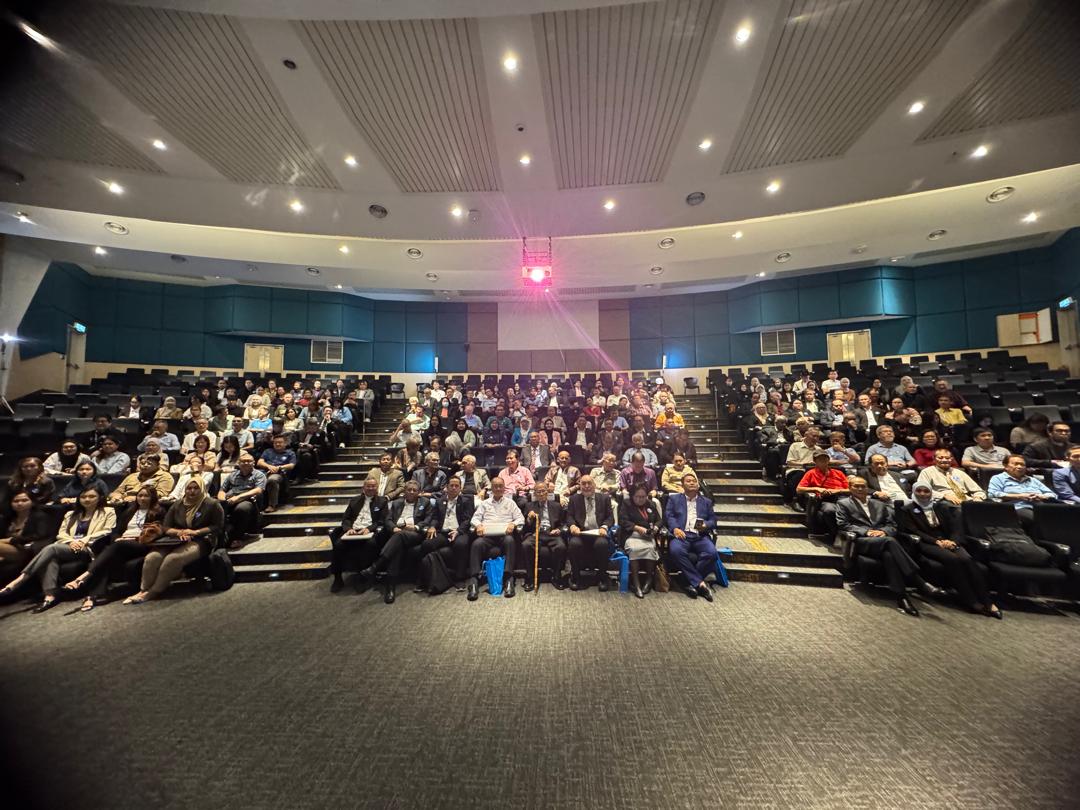
The forum, titled “The Future Economy of Sarawak” and held at Swinburne University of Technology Sarawak, attracted about 250 participants from across the political, business and academic spectrum eager to deliberate on issues affecting livelihoods and long-term growth.
In his welcoming remarks, TSI chairman Datuk John Tenewi Nuek described the gathering as an inclusive platform for Sarawakians to debate matters of shared importance.
He said the forum was not about politics for its own sake but about ensuring political ambition never overshadowed the needs and hopes of the people.
“True progress can only be achieved through constructive dialogue and a shared commitment to the greater good of the people.
“That is the spirit that defines today’s gathering,” he said.
State Legal Counsel Datuk Seri JC Fong, who delivered a keynote address, spoke extensively on Sarawak’s gas economy, stressing the need for resources to be used sustainably.
He touched on the imbalance between exports and domestic needs, reiterating the state’s intention to strengthen its distribution network.
Legal advisor of Yayasan Pemangkin Yusuf Abdul Rahman also took the floor, offering perspectives on governance and regulatory frameworks that could safeguard Sarawak’s economic interests in the years ahead.
Former senior assistant director of the Royal Malaysian Customs Department Noelle Lily Morse guided participants through the technicalities of goods and services tax (GST) versus Sales and Service Tax (SST), drawing from years of field experience.
The panel session, moderated by Deputy Dean of Research and Commercialisation at the Faculty of Economics and Business of Universiti Malaysia Sarawak (Unimas) Professor Dr Evan Lau Poh Hock, saw Inland Revenue Board of Malaysia (IRBM) Sarawak’s Customer Service Section chief assistant director Miro Taut provide insights into the national rollout of e-invoicing.
As the forum drew to a close, TSI expressed hope that the deliberations would lead to meaningful recommendations capable of influencing public policy and shaping Sarawak’s trajectory in the decades to come.