KUCHING: The one-third parliamentary representation originally envisioned under the Malaysia Agreement 1963 (MA63) was a deliberate constitutional safeguard to ensure Sarawak and Sabah would never be politically sidelined.
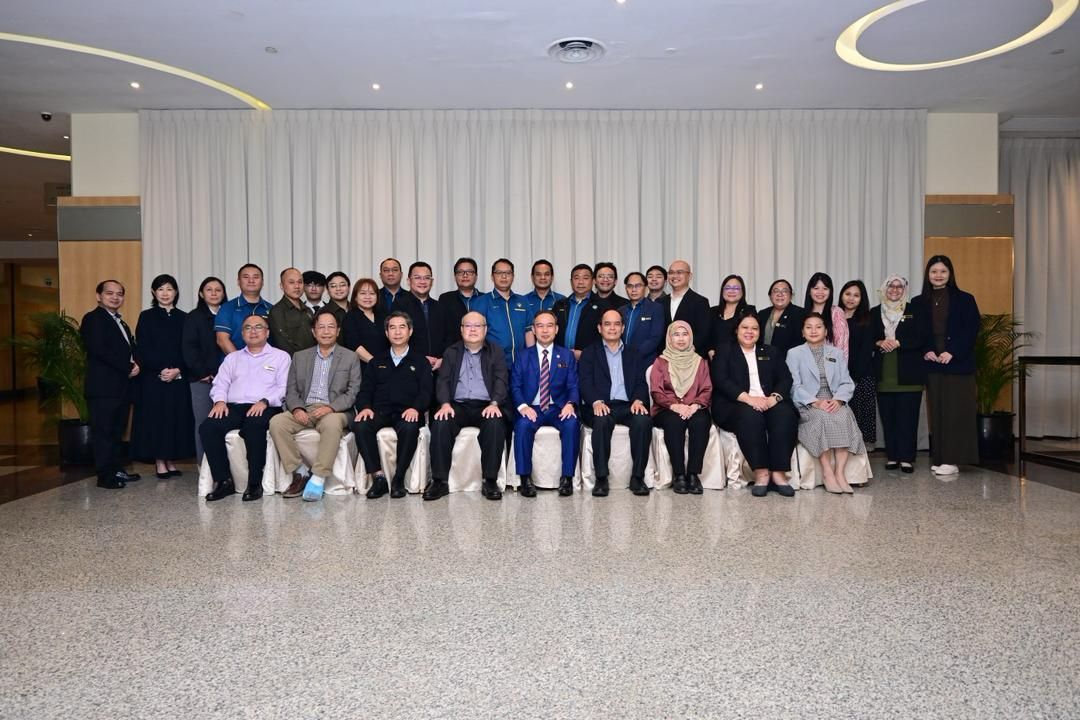
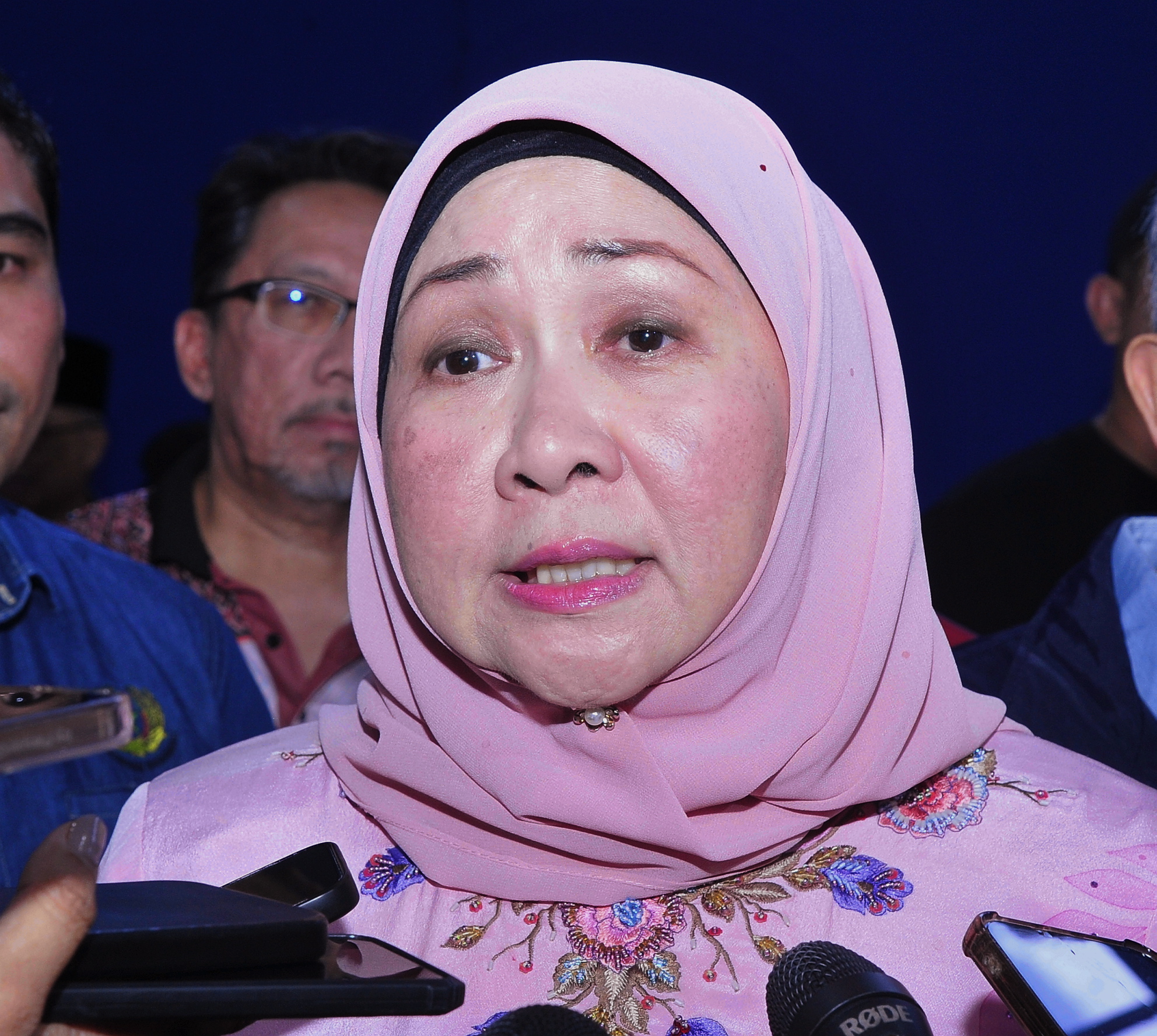
Deputy Minister in the Premier’s Department (Law, MA63 and Federal-State Relations) Datuk Sharifah Hasidah Sayeed Aman Ghazali gave the reminder at the opening of the International Legal Talk Series 2025 here Tuesday (Oct 7).
She explained that paragraph 19(2) of the 1962 Inter-Governmental Committee (IGC) Report and Clause 9 of the Malaysia Bill, now Article 46 of the Federal Constitution, were carefully structured to preserve balance in the new Federation.
“At the time of Malaysia’s formation, Malaya was allocated 104 seats, Sabah 16, Sarawak 24, and Singapore 15.
“This was not accidental. It was designed to prevent Malaya from holding a two-thirds majority and to safeguard Sarawak, Sabah and Singapore’s ability to act collectively against any unilateral constitutional amendment,” said Sharifah Hasidah.
She stressed that this principle of parliamentary balance was part of the founders’ vision for Malaysia, a federation built on partnership rather than subordination.
“To truly understand our Constitution, we must return to the intentions of our founders.
“They sought a Federation built not on domination, but on partnership; not on uniformity, but on respect for diversity,” she said.
She referenced The British Documents on the End of Empire (Series B, Volume 8), which recorded that the seat allocation was “intentionally designed to give Sarawak, Sabah and Singapore just sufficient votes to block unilateral amendments to the Federal Constitution.”
However, Sharifah Hasidah observed that this balance was disrupted after Singapore’s exit from Malaysia in 1965.
“When Singapore left, the combined strength of Sabah and Sarawak was reduced.
“Today, both states hold only 25.23 per cent of parliamentary seats, far short of the 35 per cent originally guaranteed under MA63,” she added.
She warned that this dilution of representation had allowed amendments affecting Sarawak’s rights to pass without the consent of Borneo.
“We have seen the consequences. In 1976, Article 1(2) was amended to redefine Sarawak and Sabah as ordinary states in the Federation, rather than equal partners.
“Later, tourism was added to the Federal List, and the power of governors to appoint Judicial Commissioners was removed, all without Sarawak’s formal agreement.
“This reality underscores the weakening of the safeguards our forebears had fought for.
“We must not allow unilateral amendments to erode the foundation of partnership that MA63 was designed to protect,” she said.
Sharifah Hasidah said that recognising and restoring the 35 per cent parliamentary safeguard is a constitutional necessity.
“Why does this matter? Because every amendment that affects Sarawak and Sabah affects the Federation as a whole.
“To weaken one partner is to weaken the entire Union,” she emphasised.
Furthermore, she reaffirmed that Sarawak’s pursuit of fair representation is grounded in law and history.
“We cannot ignore history or deem it irrelevant when interpreting our Constitution today.
“A Federation built on partnership must protect its partners. That was the vision of our founders, and it must remain our vision today,” she added.