
HAVING been born and raised on a farm, agriculture has always been a part of me. Recently, I’ve been reflecting on how to build a sustainable future for my family by implementing the Four Square Farming concept. This week, I will discuss about a possible game-changer for our agriculture,
Sarawak, with its rich natural resources and vast plantations, has long been a cornerstone of Malaysia’s agricultural economy. However, as global challenges like food security, climate change, and sustainability come to the forefront, traditional farming methods may no longer be sufficient. Four Square Farming (FSF), a sustainable, integrated farming system, could be the solution to revolutionise agriculture in Sarawak.
What is Four Square Farming?
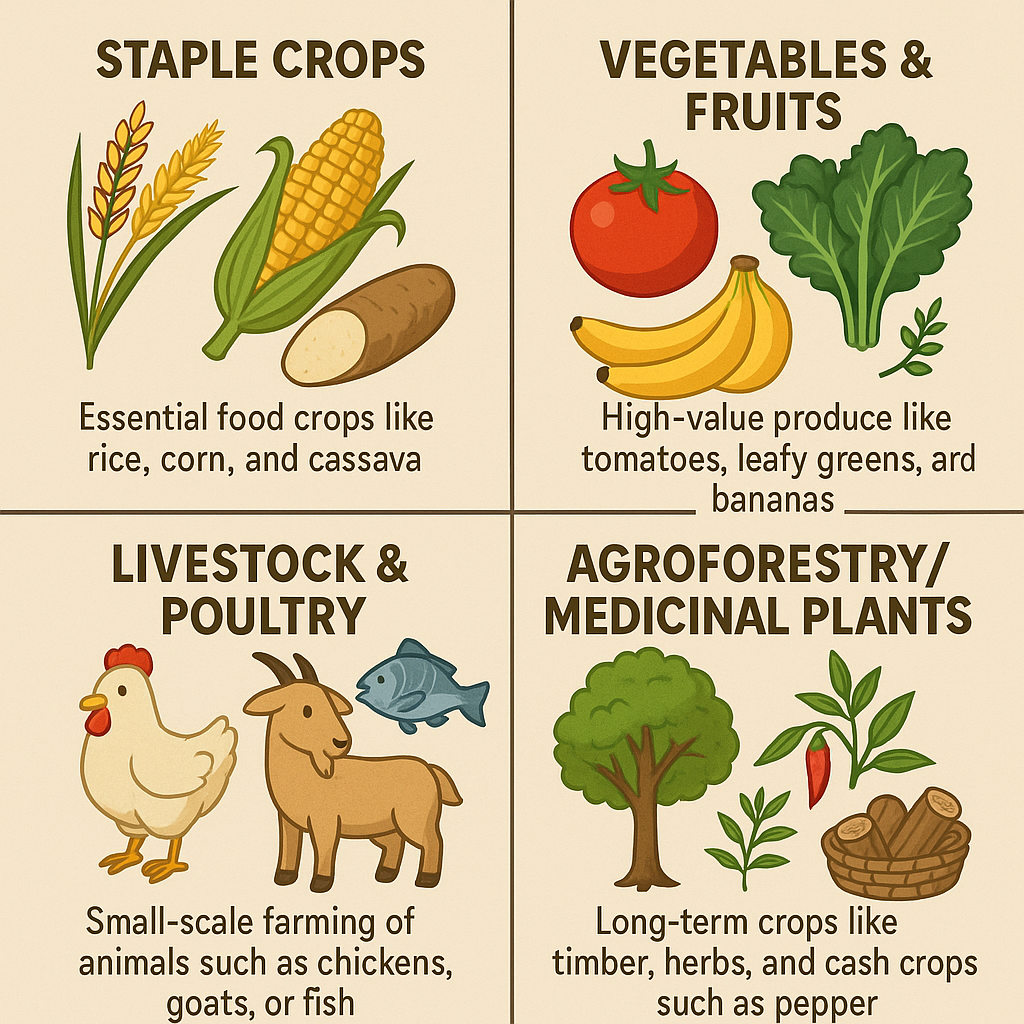
Four Square Farming divides a plot of land into four equal sections, each dedicated to a different agricultural purpose:
- Staple Crops – Essential food crops like rice, corn, and cassava.
- Vegetables & Fruits – High-value produce like tomatoes, leafy greens, and bananas.
- Livestock & Poultry – Small-scale farming of animals such as chickens, goats, or fish.
- Agroforestry/Medicinal Plants – Long-term crops like timber, herbs, and cash crops such as pepper.
This system promotes crop rotation, organic fertilisation and biodiversity, reducing the need for chemical inputs while optimising land use.
Why is FSF Ideal for Sarawak?
Sarawak’s fertile soils and diverse climate make it an ideal candidate for FSF. Here’s why it’s a game-changer for the state:
1. Enhancing Food Security
Sarawak imports a large portion of its food, making it vulnerable to global disruptions. FSF can address this by enabling local production of a variety of food, reducing reliance on imports. Additionally, FSF ensures year-round harvests, ensuring steady food supplies during crises or poor weather conditions.
2. Boosting Farmers’ Incomes
Many smallholder farmers in Sarawak rely on monoculture crops like oil palm or rubber, exposing them to market volatility. FSF diversifies income sources by allowing farmers to grow different crops, raise livestock, and harvest timber or herbs. This diversification provides a buffer against market fluctuations, helping farmers generate stable income.
3. Promoting Sustainable Agriculture
Monoculture farming has led to environmental challenges like soil degradation and pesticide overuse. FSF addresses these issues by rotating crops, using organic fertilisers from livestock and integrating agroforestry. These practices restore soil health, preserve biodiversity and reduce farming’s environmental impact.
4. Increasing Climate Resilience
Climate change poses growing risks to Sarawak’s agriculture, with unpredictable weather patterns and floods. FSF’s diversified approach mitigates these risks. If one crop fails due to adverse conditions, others can still thrive, ensuring income stability despite climate uncertainties.
5. Empowering Rural Communities
Many young people in Sarawak’s rural areas migrate to cities in search of better opportunities. FSF makes farming more profitable and less labour-intensive, encouraging youth to stay in agriculture. Additionally, integrating farming with ecotourism can create new economic opportunities for rural communities, further boosting their resilience.
Global Success Stories
FSF is not a new concept. Similar systems have proven successful worldwide. In the Philippines, integrated farming has helped small farmers increase yields while using fewer resources. Thailand’s integrated farming model has improved livelihoods by combining crops, fish and livestock. Indonesia’s community-based farming initiatives have enhanced food security. These success stories highlight how FSF can be adapted to local conditions, offering a model for Sarawak.
Overcoming Challenges to Implementation
Despite its potential, FSF’s adoption faces several challenges in Sarawak:
1. Lack of Awareness and Training
Many farmers are unfamiliar with FSF practices.
Solution: Government agencies, NGOs, and agricultural experts should implement training programmes, workshops and demonstration farms to educate farmers on the benefits of FSF.
2. Upfront Investment Costs
Setting up FSF requires investment in infrastructure, especially for livestock and agroforestry.
Solution: Provide financial support in the form of subsidies, micro-grants or low-interest loans to help farmers overcome initial cost barriers.
3. Market Access
Farmers need reliable markets for their diverse produce.
Solution: Establish farmers’ cooperatives and connect local farmers with urban markets, supermarkets and digital platforms to create consistent demand for FSF products.
The Way Forward: Policy Recommendations
For FSF to thrive in Sarawak, a coordinated approach is necessary:
Government Support: Include FSF in agricultural policies and provide incentives for farmers who adopt it. Extension services can guide farmers through the transition.
Private Sector & NGO Involvement: Collaborate with corporate players and NGOs to provide technical expertise and pilot projects demonstrating FSF’s benefits.
Community Engagement: Encourage village cooperatives to adopt FSF collectively, sharing resources and knowledge. Promoting agro ecotourism can also generate additional revenue for rural areas.
Conclusion: A Sustainable Future for Sarawak
FSF offers a promising solution to Sarawak’s agricultural challenges. By diversifying production, enhancing food security and promoting sustainability, FSF aligns with the state’s long-term goals for economic resilience and climate adaptation. With the right policies, training, and community support, Sarawak’s farmers can lead the way in sustainable agriculture, ensuring a vibrant, food-secure future for generations to come.
The time to act is now – embracing FSF could position Sarawak at the forefront of sustainable farming, creating a more resilient agricultural sector for the future.
The views expressed here are those of the writer and do not necessarily represent the views of Sarawak Tribune. The writer can be reached at drjohnlau@gmail.com.