KUCHING: Sarawak’s Free Tertiary Education Scheme (FTES) is reshaping access to higher education by shifting the focus from financial capability to student potential, positioning it as a key driver of the state’s future talent pipeline.
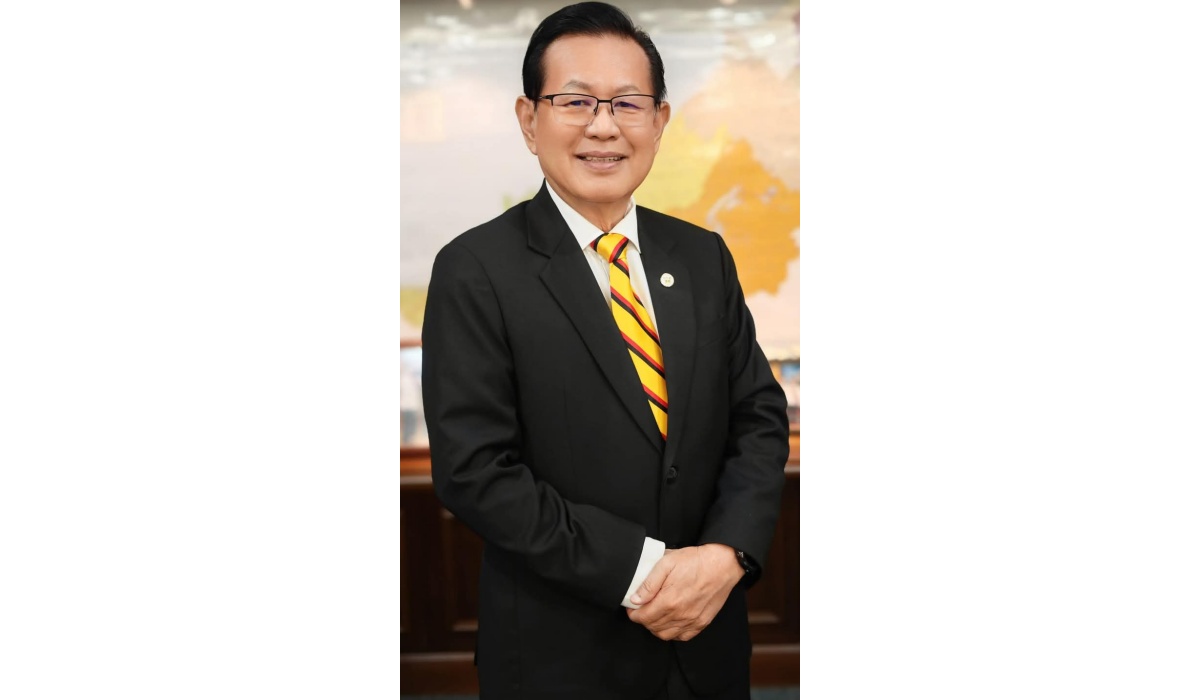
Tabung Ekonomi Gagasan Anak Sarawak (TEGAS) deputy chairman Datuk Dr Jerip Susil said the initiative represents more than financial assistance, describing it as a policy reform that expands opportunities for students to pursue higher education based on merit and ability.
“Such efforts are critical in strengthening human capital development, which is increasingly seen as an economic strategy aligned with Sarawak’s long-term growth,” he said, noting that the shift is already showing encouraging signs, with more students beginning to pursue STEM and other high-impact fields that meet future industry demands.
He added that the initiative also supports the implementation of FTES, which goes beyond financial aid by widening access to higher education based on the potential and capabilities of Sarawakian students.
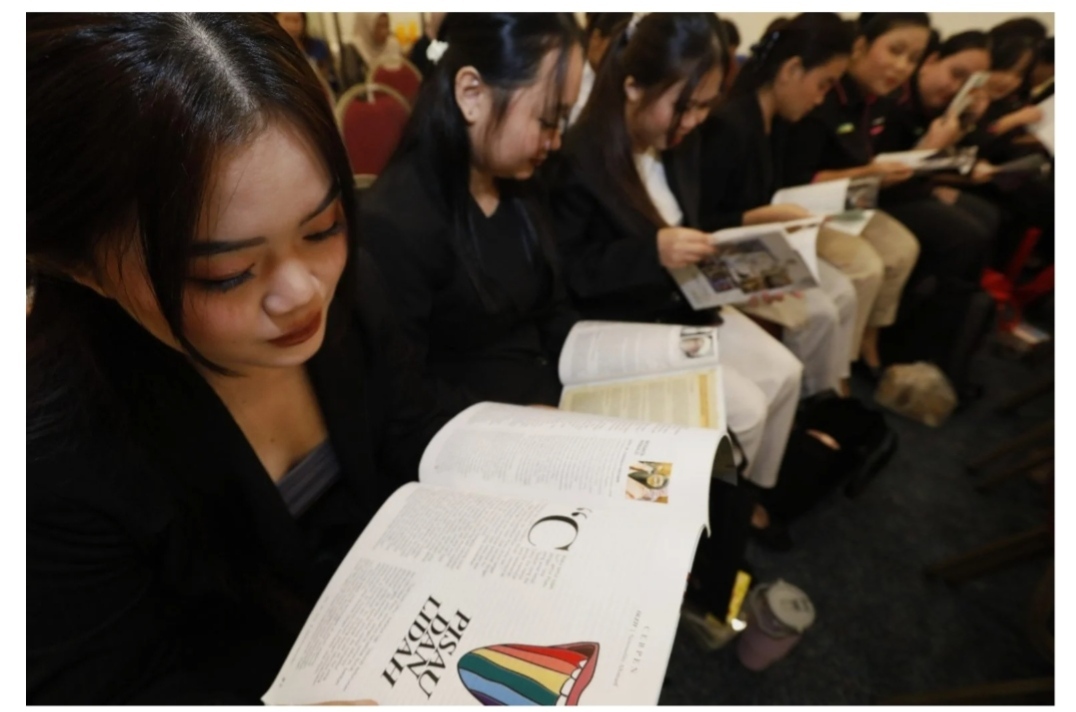
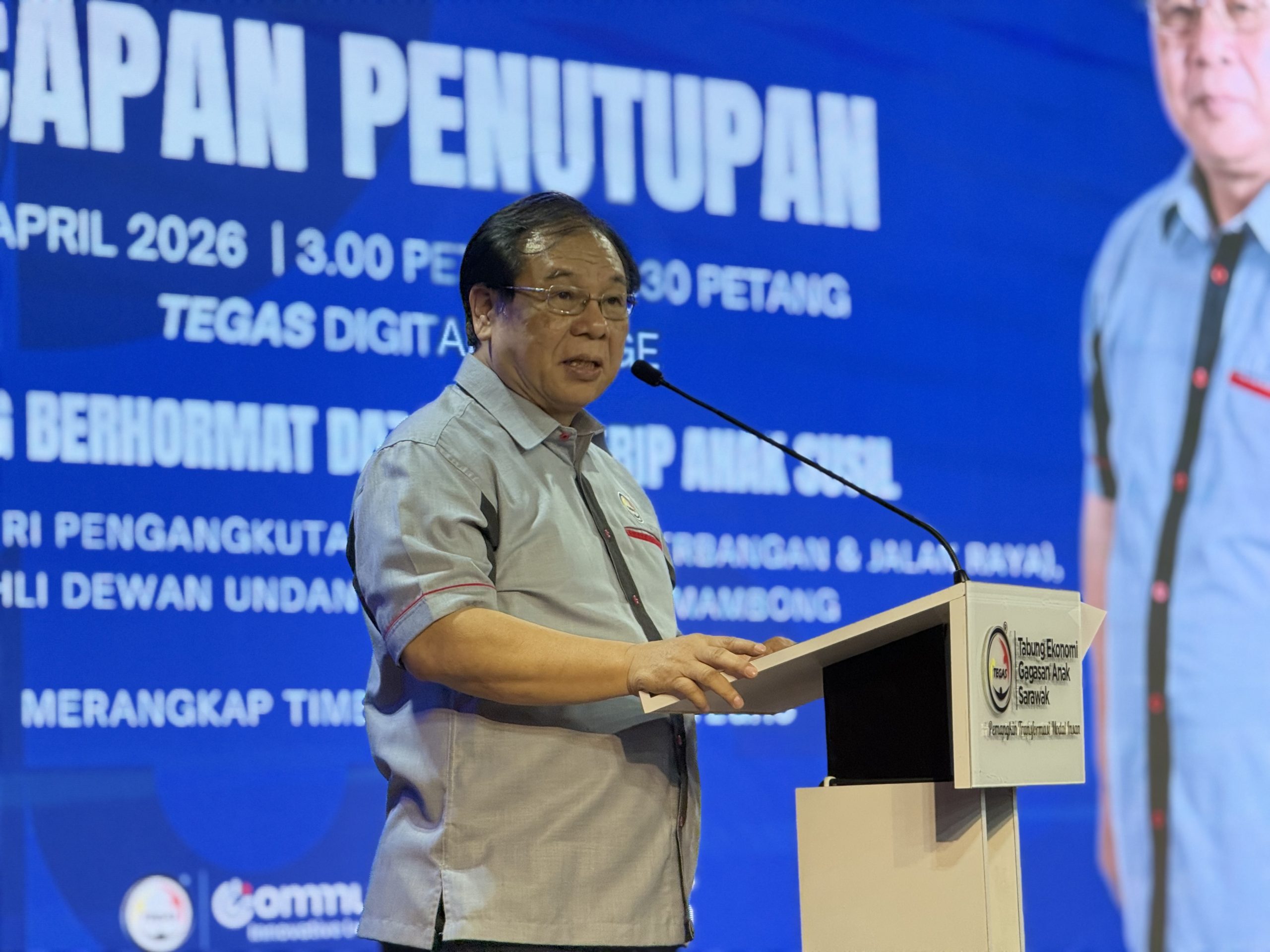
“When access is expanded and information is delivered effectively, we are not only shaping individual futures, but also strengthening Sarawak’s overall economic foundation,” he said when speaking at the closing ceremony of the Rakan Komuniti TEGAS 2026 programme held at TEGAS Digital Village on Wednesday (April 22).
However, Dr Jerip, who is also the Deputy Minister for Transport (Air and Road), stressed that expanding access alone is not sufficient if information does not reach those who need it most, particularly in rural communities where awareness and guidance may be limited.
He highlighted the role of school counsellors as frontline enablers in bridging this gap, guiding students in making informed decisions on education pathways and career directions in line with future job market needs.
“Counsellors are the critical link between policy and students on the ground, especially in ensuring that accurate and timely information reaches those who need it most.
“In many cases, particularly in rural areas, students may have the potential but lack exposure and guidance. This is where counsellors play a vital role in helping them understand available opportunities and make informed decisions about their future.”
Dr Jerip added that empowering counsellors and strengthening coordination between government agencies, educational institutions and the wider education community are essential to ensure no student is left behind in benefiting from the initiative.