LET’S READ SUARA SARAWAK/ NEW SARAWAK TRIBUNE E-PAPER FOR FREE AS EARLY AS 2 AM EVERY DAY. CLICK LINK
‘Migration is an expression of the human aspiration for dignity, safety and a better future. It is part of the social fabric, part of our very make-up as a human family.’ – Ban Ki-Moon, Ex-UN Secretary-General
Walk along the streets of many major townships within the Klang Valley today and one cannot help but notice a striking reality – in some areas, foreigners appear to outnumber locals.
This is particularly evident in places such as Pudu, Cheras, Selayang and Kepong. Stroll through tourist hotspots like Petaling Street or Bukit Bintang and many restaurants, eateries and roadside stalls are staffed or operated by migrant workers.
There is nothing inherently wrong with the presence of foreign workers. Malaysia has long depended on migrant labour to support key sectors of the economy, including construction, plantations, manufacturing and services. Legal foreign workers play an important role in helping industries cope with labour shortages.
However, there is a significant difference between legal workers who enter the country through proper channels and undocumented migrants who violate immigration laws. The latter has become a serious and growing concern that demands firm and consistent enforcement.
This is why frequent police and immigration raids to flush out illegal immigrants are not only necessary but essential.
Recent operations demonstrate both the scale of the problem and the importance of continued enforcement.
In a midnight raid near Pudu market in Kuala Lumpur, authorities inspected 320 foreign nationals and detained 186 undocumented migrants suspected of overstaying or not possessing valid travel documents. The detainees came from several countries, with Bangladeshis making up the largest group.
The operation was not carried out by immigration officers alone. It involved cooperation among the Immigration Department, police, Kuala Lumpur City Hall and the National Registration Department. Such coordinated action sends a clear message that Malaysia remains committed to enforcing its immigration laws.
Critics often accuse authorities of being heavy-handed, but they fail to address a fundamental question. What would happen if enforcement ceased altogether?
Without regular raids, illegal immigration would flourish. Human smuggling syndicates would become more active. Unscrupulous employers would continue to hire undocumented workers at lower wages. More foreigners would be encouraged to enter the country illegally, knowing that the chances of being caught are minimal.
The recent arrest of 28 Indonesians in Sabak Bernam illustrates this danger. According to a report in the Star newspaper, the group allegedly paid local “land skippers” between RM1,500 and RM2,000 each to facilitate their illegal entry into Malaysia.
Authorities also detained seven local men suspected of involvement in the operation and seized vehicles and communication equipment believed to be used in smuggling activities.
This case highlights an important reality – illegal immigration is not merely an immigration issue. It is also a criminal enterprise involving syndicates that profit from human trafficking and border smuggling. Every successful raid weakens these networks and disrupts their operations.
Equally important is the connection between illegal immigration and crime prevention.
In a recent four-day operation across Selangor, police arrested 39 wanted persons, including five suspects detained under the Security Offences (Special Measures) Act (Sosma).
The operation also led to the arrest of individuals wanted for violent and property crimes. Authorities uncovered illegal entertainment outlets and premises employing foreigners without valid work permits.
These arrests underscore the value of integrated enforcement operations. Raids aimed at identifying undocumented migrants frequently uncover other criminal activities ranging from drug offences and organised crime to human trafficking and illegal businesses. In many cases, the same locations harbour multiple forms of unlawful activity.
There is also a growing concern among Malaysians about the concentration of undocumented migrants in certain urban centres. Areas such as Pudu, Chow Kit and Selayang have become synonymous with large foreign communities. In some locations, migrants are perceived to dominate entire economic sectors.
The Selayang wholesale market is often cited as an example where Myanmar nationals have established a strong presence in business activities. While many operate legitimately, tensions and occasional violent incidents linked to business rivalry have raised public concerns about law and order.
The issue extends beyond economics. A large undocumented population places additional pressure on public infrastructure, healthcare services, housing and law enforcement resources.
Malaysia is estimated to host between 1.2 million and 4 million undocumented migrants alongside more than two million documented foreign workers. Such numbers represent a major governance challenge for any nation.
At the same time, enforcement alone is not enough. The government must continue improving labour management systems, strengthening border controls and prosecuting employers who knowingly hire undocumented workers.
Heavy penalties already exist, including substantial fines, imprisonment and even caning for employers who harbour illegal workers. These laws must be applied consistently and without fear or favour.
Ultimately, frequent police and immigration raids are not about targeting foreigners. They are about upholding the rule of law. Every sovereign nation has the right and responsibility to regulate who enters, works and resides within its borders.
Malaysia welcomes legitimate visitors, investors and foreign workers who respect its laws. But those who enter illegally, overstay their permits or participate in criminal activities cannot be allowed to undermine national security, public order and social cohesion.
The recent successful operations in Kuala Lumpur, Selangor and Sabak Bernam should therefore be applauded. Rather than being occasional exercises, such raids should become a regular and sustained effort.
The message must remain clear. Malaysia is open to lawful migration, but it will not tolerate illegal immigration and the criminal activities that often accompany it.
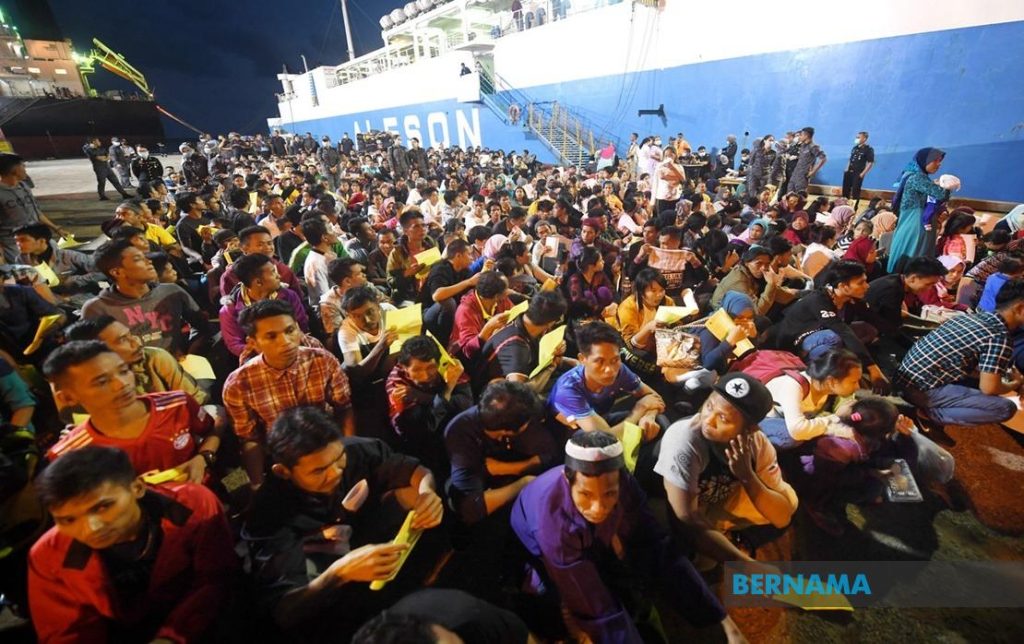
Illegal immigrants Enforcement authorities need to check on and deport illegal immigrants consistently for the sake of the country’s stability and security.
The views expressed here are those of the columnist and do not necessarily represent the views of Sarawak Tribune. He can be reached at sirsiah@gmail.com.