In every culture, traditions serve as threads that weave together the past and the present, carrying stories, values and skills from one generation to the next. Yet, as modern conveniences take centre stage, many of these age-old practices risk fading into obscurity. Among the Dayak and Orang Ulu communities of Sarawak, one such tradition is the art of the blowpipe – once a vital hunting tool, now finding its place in a very different world.
From Forest Survival to Sporting Glory
A tradition left unpreserved will eventually vanish in the tide of urbanisation. The blowpipe – once a traditional hunting method among the Dayak and Orang Ulu communities – is now on the brink of disappearing. With the convenience of commercialised meat, the blowpipe gradually lost its purpose.
For 48-year-old Albert Matius, memories of his grandparents’ stories still linger – tales of hunting in the forests of Bario and foraging for food. It was a time when rural communities relied heavily on resources from their own backyards.
“As a Kelabit-Lun Bawang, the blowpipe was a hunting tool in our ancestors’ time. But when I was a child, it became more like a game introduced by my grandmother. We weren’t really serious because we didn’t need it,” he said.
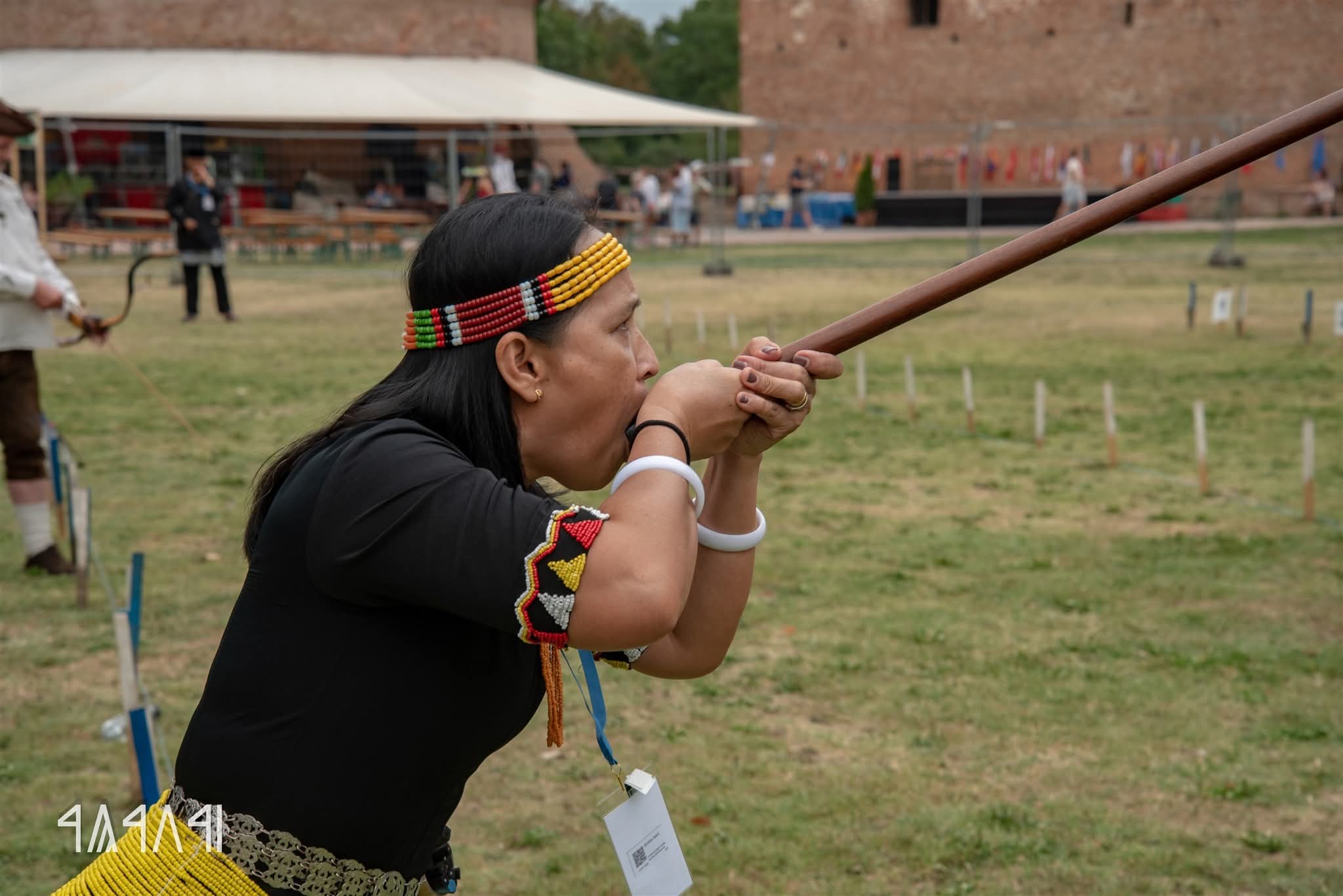
Usually crafted from belian wood, Albert revealed that he still holds onto his great-grandfather’s blowpipe as a family heirloom. Although he and his family no longer hunt traditionally, he still practises the skill occasionally for leisure – and can even shoot a moving bird in a single attempt.
Meanwhile, Sholina Sakai also grew up hearing stories about blowpipes from her elders.
“My grandfather was one of the greatest blowpipers. He could shoot down a moving monkey in the treetops without fail,” she said.
Although blowpiping was traditionally reserved for men, Sholina learned the skill out of personal interest. Today, she is the only woman in her family who owns a blowpipe. Traditionally, she explained, men hunted while women tended to farming.
As blowpiping became obsolete with the arrival of commercial meat, it gradually transformed into a sport enjoyed by many.
Sholina first picked it up at 23, while teaching at SMK Trusan, Lawas. Each year, under the Sarawak Sports and Culture Education Service Association (PSKPP), blowpipe competitions were organised as part of annual fairs held across different divisions in Sarawak.
These events gathered both male and female participants. For Sholina, the yearly competition was her only chance to showcase her skills. Still, it marked the dawn of a new beginning for the blowpipe – from hunting weapon to sporting activity.
Tradition renewed
When she first entered the sport, Sholina’s uncle advised her never to forget its traditional roots. He believed that by preserving and evolving it into a sport, the blowpipe could remain relevant while carrying its cultural values forward.
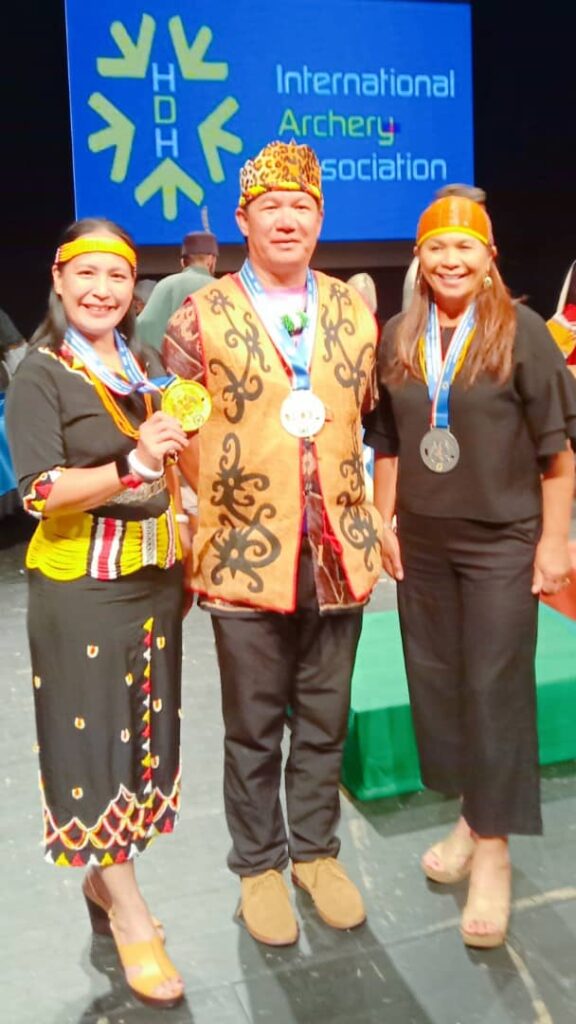
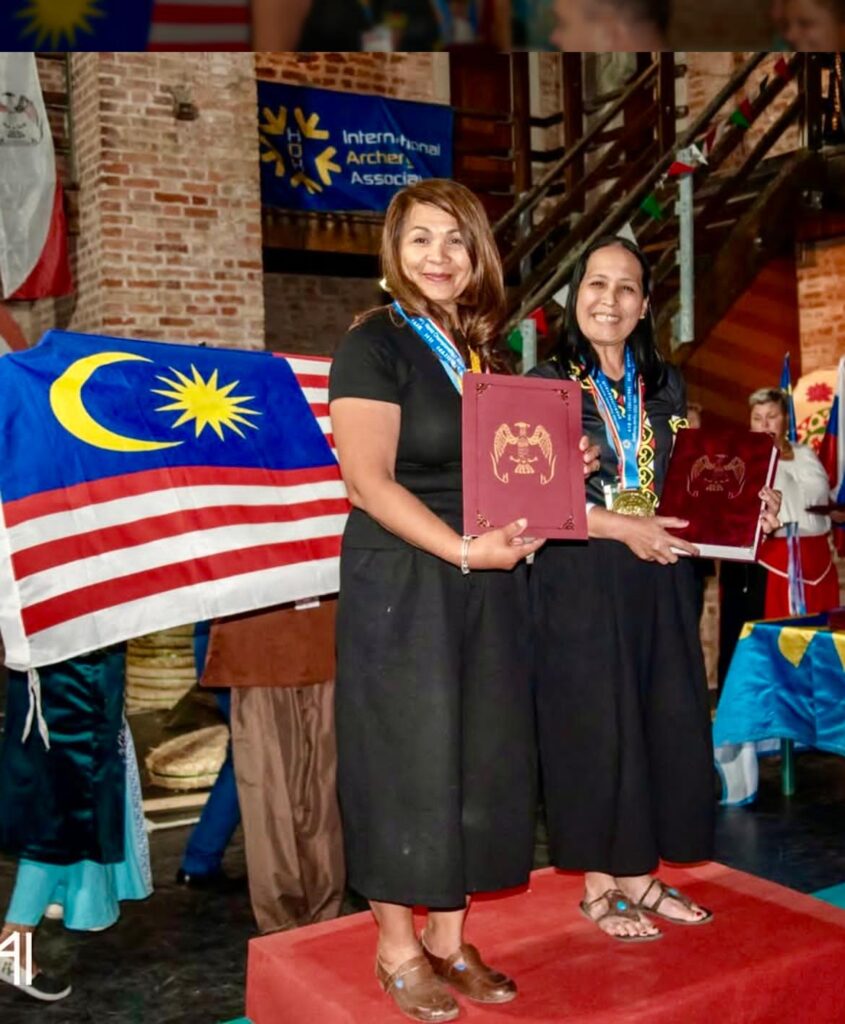
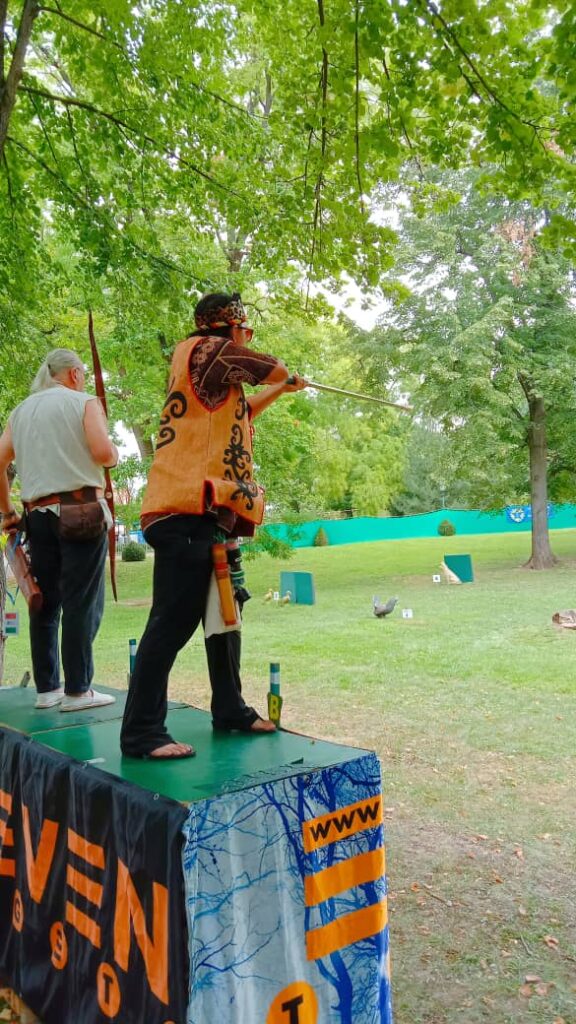
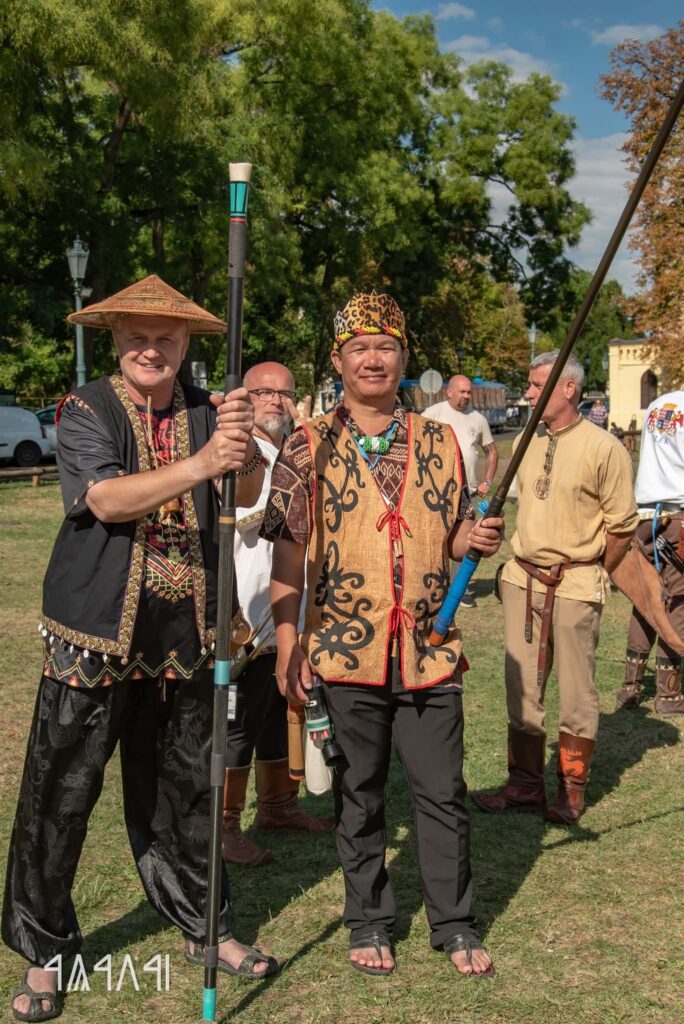
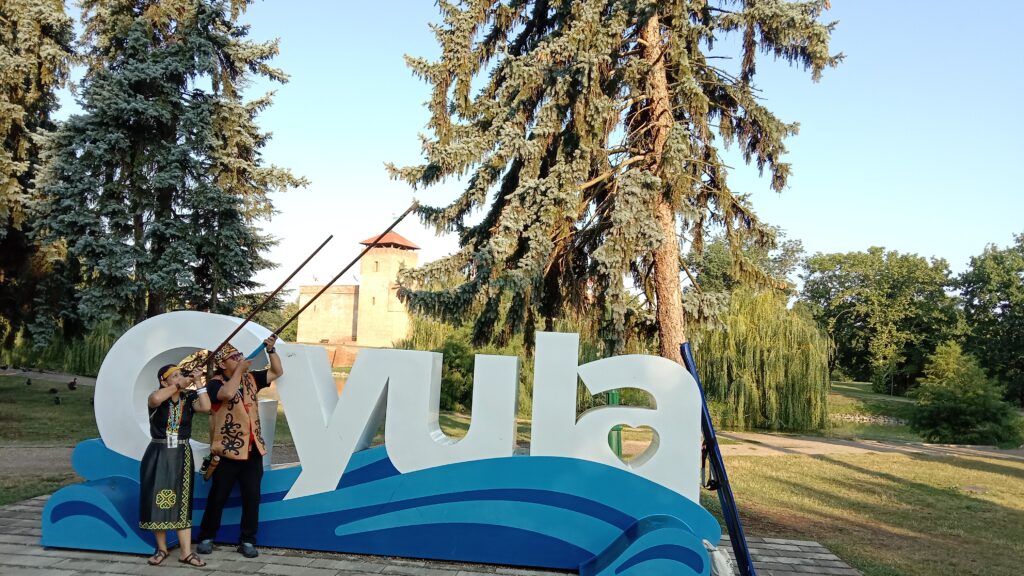
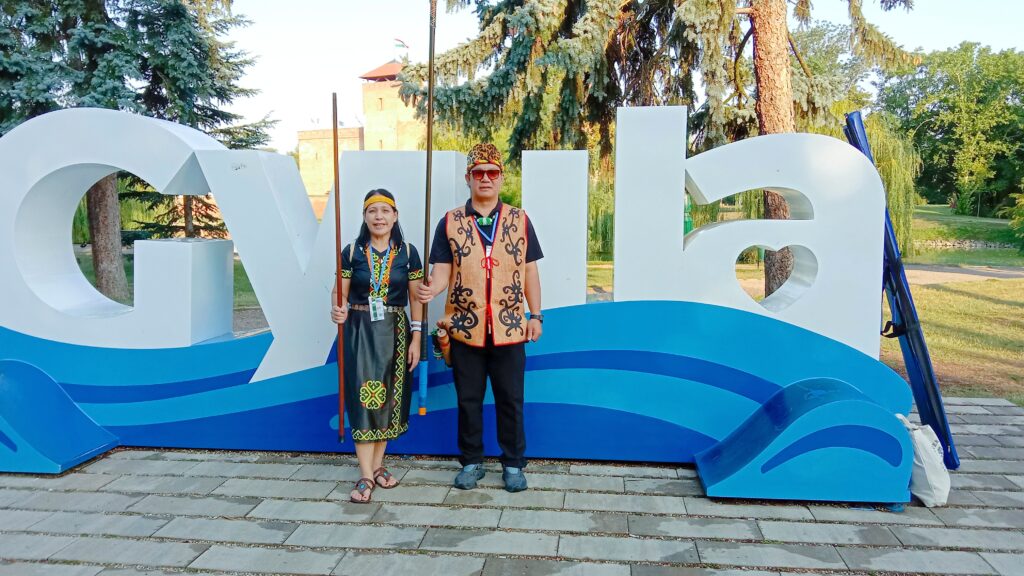
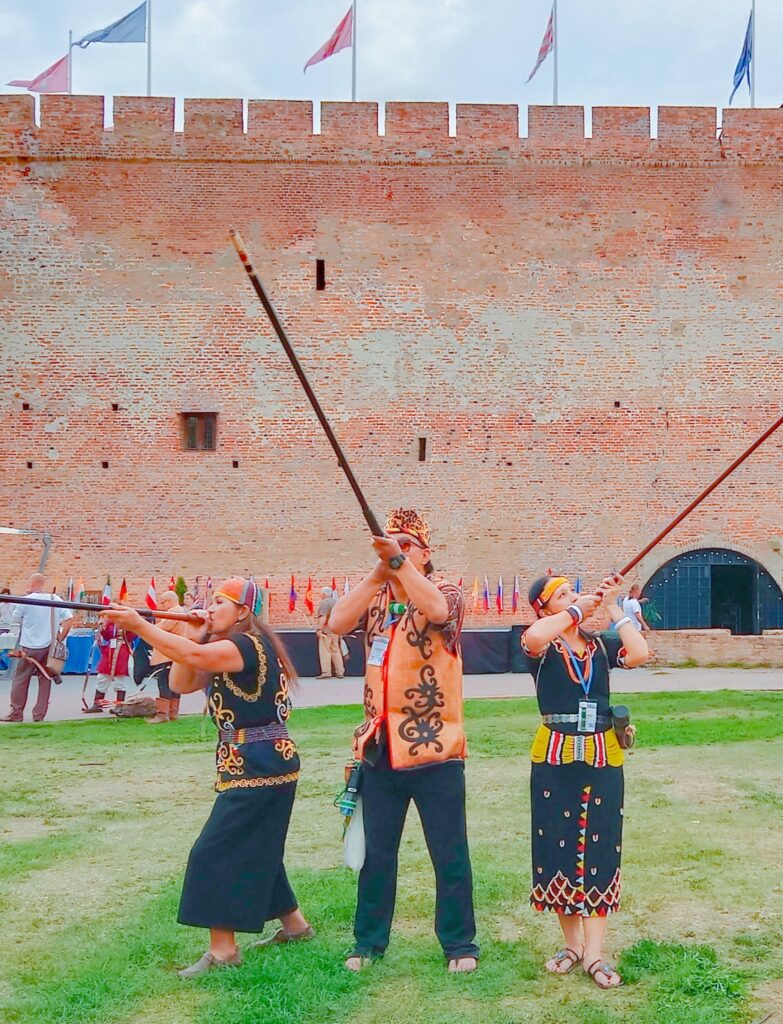
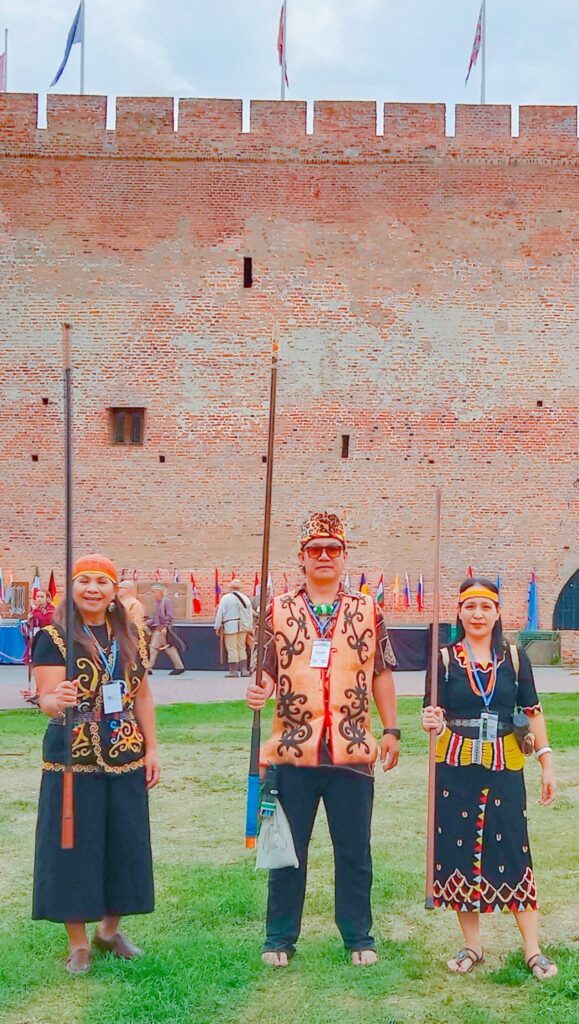
Sholina has since done just that – reintroducing the blowpipe to the world, alongside Albert, at the recent HDH-IAA World Historical Archery Championship 2025 in Gyula, Hungary.
Although the event was primarily an international archery competition, the traditional category welcomed both Albert and Sholina with their blowpipes among fellow archers.
Sholina emerged as world champion in the female category, while Albert secured first runner-up in the male division. Their achievements are remarkable: despite challenges and boundaries, Borneo’s traditional tool prevailed.
Draped in Kelabit and Lun Bawang attire, the competition became both an eye-opener and an opportunity for the blowpipe to thrive in modern times.
Joining them was Sarawakian Alice Paran Tigan, now based in the UK, who also competed in Hungary. Her participation, alongside Sholina and Albert, earned her first runner-up in the female category.
Born and raised in Bario, Alice also believes that the blowpipe must be preserved as part of Borneo’s identity. Together, the trio’s success opened new doors for blowpiping to grow as a sport.
Scarcity and opportunity
Although the desire to preserve the practice remains strong, Sholina laments the scarcity of traditional blowpipe makers. Once handcrafted from natural forest resources, blowpipes are now rarely made, with none produced in Bario.
Modern alternatives, however, have been on the rise. These are typically made from aluminium and manufactured by machine.
Albert, who prefers the modern version, said: “It’s much smoother and easier to blow through. The accuracy is there too!”
Even so, traditional blowpipes remain highly valued for their scarcity and authenticity. Sholina, who was entrusted with one for her competition in Hungary, said she would never trade it for anything.
Keeping it as part of her family heirloom and as a reminder of her achievement, she admitted feeling saddened that the traditional version has become rare.
Still, evolution must continue. Looking ahead, Albert and Sholina, together with their group Bario Highland Neput, plan to organise more blowpipe competitions in Bario.
They hope this effort will serve as both conservation and introduction of a new sport to the wider community. With various blowpipe groups across Sarawak, Sholina sees potential for growth in the years to come.
For now, the journey of the blowpipe – from survival tool to cultural heirloom, and now to recognised sport – reflects not only the resilience of tradition but also its ability to adapt to modern times.
In the quiet forests of Bario and the bustling arenas abroad, the blowpipe carries more than darts: it carries the spirit of a people, a history worth safeguarding, and a future waiting to be built.