‘Investing in public transportation helps create jobs, reduces traffic congestion, and improves air quality.’ – Michael Bloomberg, former Mayor of New York City
IT had been some time since I last ventured beyond short trips in the neighbourhood.
Between working from home, settling into the rhythm of motherhood and simply preferring the comfort of staying indoors, the city’s daily traffic scene was something I had only heard about from others.
Friends and family members would grumble about being stuck for nearly an hour on roads that once took them 15 minutes to pass through, while social media often highlighted the frustrations of daily commuters.
Yet it was not until I had to drive across town recently that I came face to face with how heavy the traffic has become.
Initially, I assumed the long lines of cars were due to an accident or perhaps ongoing road works.
However, as the minutes passed and the congestion remained stubbornly unmoving, I realised that this was no exception – it was simply the new normal.
Rows of vehicles stretched out ahead of me, motorcyclists weaved their way through narrow gaps and drivers sighed in quiet frustration.
The familiar and easy pace that Kuching was once known for seemed to have given way to something more relentless. This city has always stood apart from the fast-paced bustle of Kuala Lumpur or Singapore but with growth comes change.
The reality today is that Kuching’s roads are often filled to the brim, especially during peak hours in the mornings, afternoons and evenings.
A journey that once took a short drive now regularly takes two or three times longer.
For those who work in the city, parents with school-going children or anyone with a busy schedule, the daily congestion is more than just inconvenient – it chips away at time, productivity and even peace of mind.
Part of the challenge lies in our overwhelming reliance on private vehicles.
With limited public transport, car ownership is less of a choice and more of a necessity for many households.
The result is a city with more vehicles than its road system can comfortably handle. Yet amidst the frustration, there is also recognition that Kuching is not standing still.
Plans are underway to ease these pressures and provide alternatives to car dependency.
One such initiative is the Kuching Urban Transport System (KUTS), which the Sarawak government has positioned as a long-term solution to the city’s growing traffic problem.
At its heart will be the Autonomous Rapid Transit (ART) system – hydrogen-powered vehicles running on dedicated lanes that promise efficiency, safety and environmental sustainability.
The ART, once completed, is expected to connect key routes across Kuching and beyond, offering residents a reliable and modern way of commuting.
The vision is simple yet transformative: leave the car at home, step onto a sleek and punctual vehicle and travel across the city without the stress of congestion.
It is a shift that could bring enormous benefits, from reduced fuel consumption and lower carbon emissions to greater productivity and better quality of life.
For families, students and workers, it would mean spending less time in traffic and more time where it truly matters – at work, at school or at home.
What makes the project even more encouraging is its forward-looking nature.
By embracing hydrogen power and dedicated transport lanes, the system positions Kuching as a city ready to balance growth with sustainability.
The promise of a greener and more efficient future is not just about solving today’s traffic jams but also about ensuring that the next generation inherits a city that is liveable, connected and progressive.
In many developed cities, public transport is the backbone of daily life, and cars are no longer the default choice for getting around.
Kuching, too, has the potential to move in this direction, especially as more people recognise the advantages of avoiding the stress of traffic.
Changing habits will take time, but the current situation may itself become the strongest motivator.
Sitting in gridlock, watching minutes turn into hours, many drivers will eventually conclude that there must be a better way.
For me, that day spent stuck in congestion became more than just a reminder of how the city had changed.
It also highlighted how important it was to keep moving forward.
Kuching is at a turning point, and while the present reality may be frustrating, the future holds hope.
The ongoing development of a modern transport system suggests that better days are ahead, where congestion is no longer an accepted part of life but a problem that has been addressed with foresight and planning.
As I drove home that day, I thought of how by the time my child grew up, Kuching could be a city where public transport was not seen as secondary, but as the preferred choice.
It could be a city where time spent in traffic is replaced with time spent with loved ones, where travel is no longer a daily battle but a smooth part of life.
Until then, we may still have to endure the jams, inching forward slowly. But we do so with the knowledge that a brighter, smoother and greener future is already on the horizon.
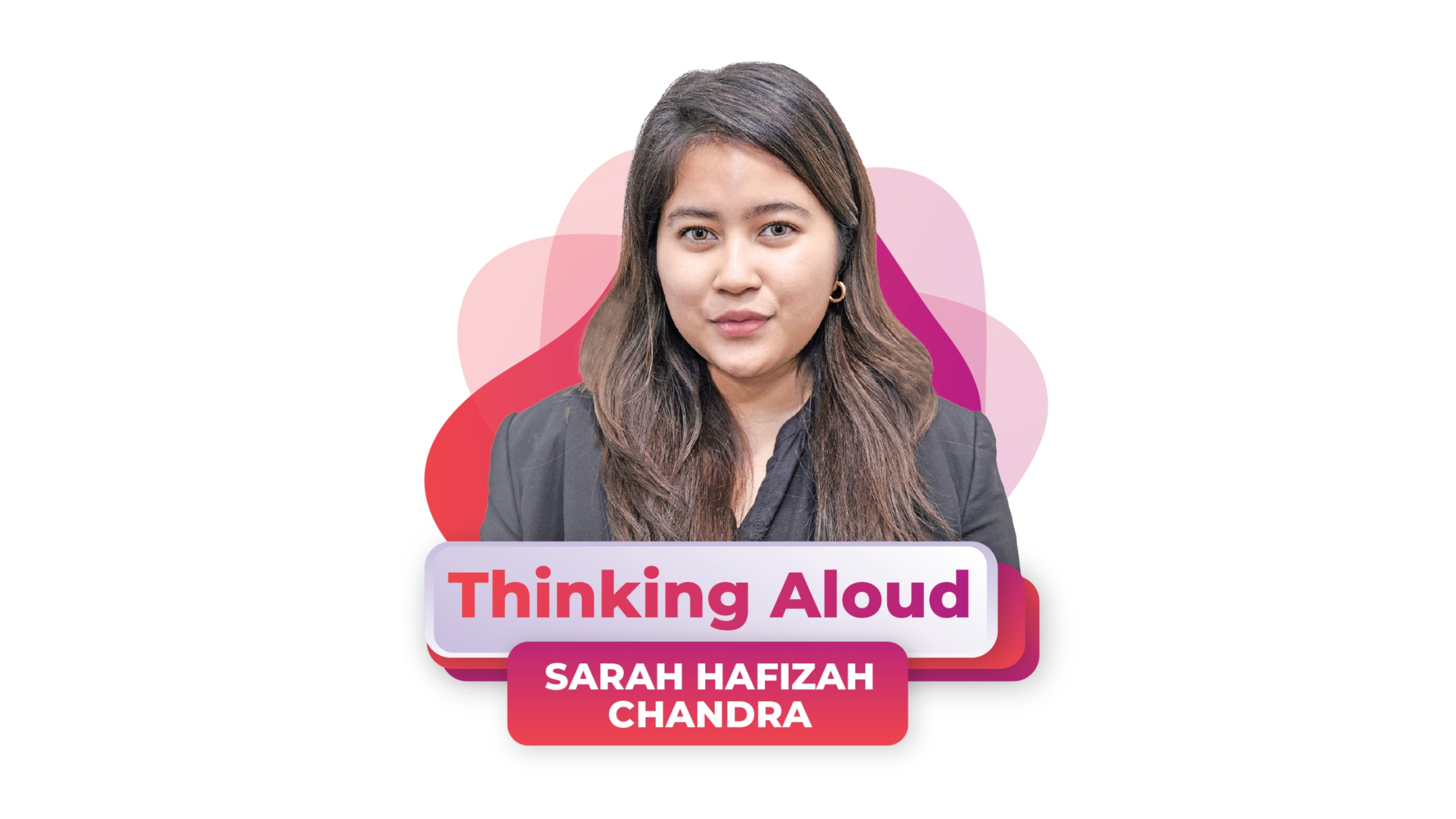
The views expressed here are those of the writer and do not necessarily represent the views of Sarawak Tribune. The writer can be reached at sarahhafizahchandra@gmail.com.