KUCHING: The introduction of Sarawak’s Free Tertiary Education Scheme (FTES) starting in 2026 marks a major milestone in the state’s effort to strengthen human capital and ease the financial burden on families.
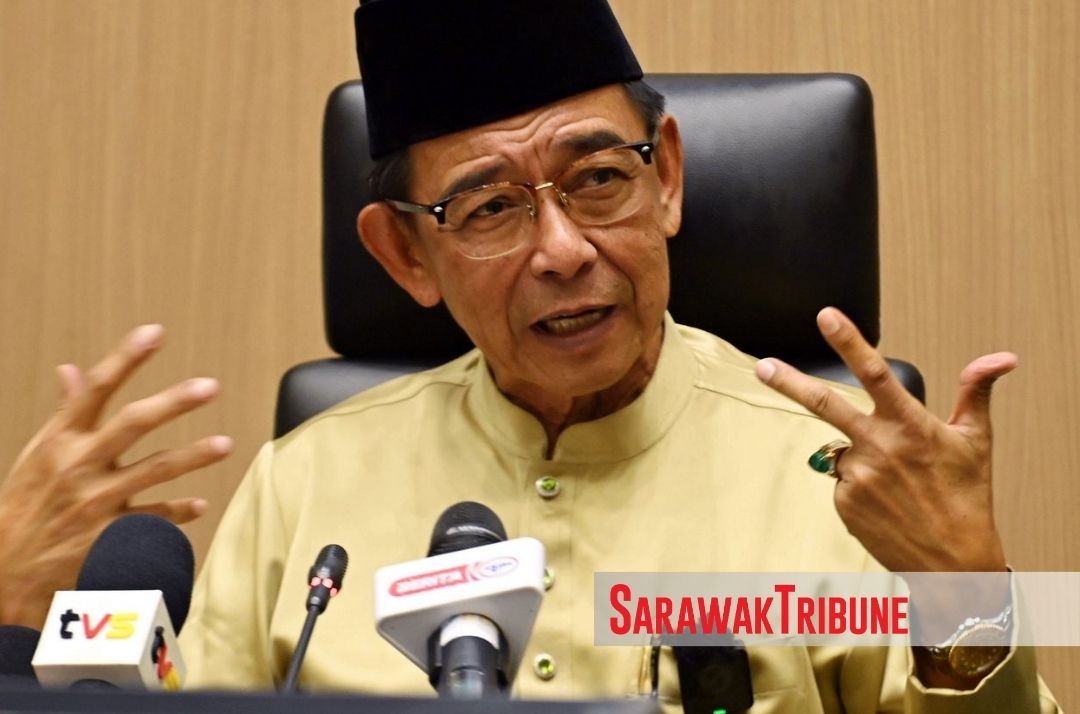
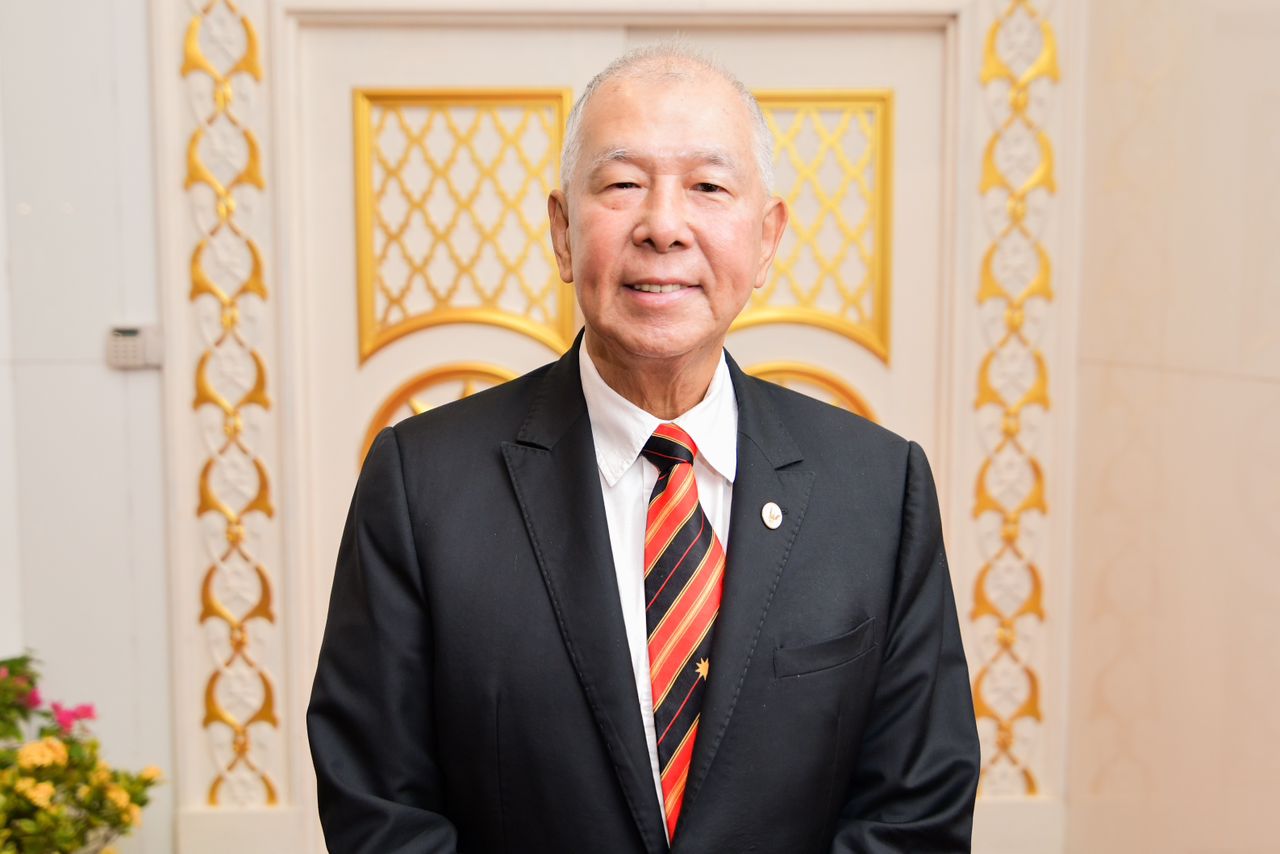
Datuk Sim Kiang Chiok, advisor to the Sarawak Housing and Real Estate Developers’ Association (SHEDA) said the initiative, officially launched by Premier of Sarawak Datuk Patinggi Tan Sri Abang Johari Tun Openg, represents a transformative step towards making Sarawak a high-income, knowledge-driven state.
“FTES is more than just free education. It is a legacy policy for Sarawak’s nation-building and the first of its kind not only in Malaysia but also in the ASEAN region,” he said in a statement yesterday.
Sim, who is also a SUPP Stakan chairman said the scheme removes one of the biggest barriers to higher education.
“The scheme ensures access based on merit and capability rather than financial background, giving every ‘anak’ Sarawak an equal opportunity to succeed”, he added.
Under FTES, all eligible Sarawakians pursuing approved undergraduate programmes at Sarawak Government-owned institutions.
These institutions are namely Swinburne University of Technology Sarawak, Curtin University Malaysia, University of Technology Sarawak and i-CATS University College and those who are eligible will enjoy fully subsidised tuition fees.
Students from various education pathways, including A-Levels and Matriculation from national schools, Unified Examination Certificate (UEC) from Chinese independent schools, as well as General Certificate of Secondary Education (GCSE) and Cambridge Assessment International Education (CAIE) from international schools, are eligible to apply directly for selected undergraduate courses without going through the Central University Admission System (UPU) system.
Currently, 4,693 Sarawakian undergraduates enrolled in these institutions qualify for the scheme, with future intakes also set to benefit.
“To support the initiative, the Sarawak Government has allocated RM665 million for education in the State Budget, including RM250 million specifically for FTES,”
“This enabled between 8,000 and 9,000 students to pursue tertiary studies with zero tuition fees,” he said.
Sim expressed that the financial relief for families would be significant, with average tuition fees at state-owned universities amounting to about RM35,000 per year, translating to more than RM100,000 in savings for a three-year degree.
“When combined with living expenses, families could save up to RM200,000 per child,” he said.
He added that this is a stark contrast to overseas education, which can cost between RM450,000 and RM550,000.
Drawing from personal experience, Sim said the scheme would have made a substantial difference to families like his, having sent three children to pursue tertiary education in the United Kingdom.
Sim emphasised that inclusivity remains a key feature of the initiative, with youths who do not enter degree programmes offered free vocational and skills-based education at state polytechnics and training institutions to enhance employability.
“With tertiary education costs fully borne by the State, parents can now plan their families with greater confidence, knowing that higher education will not be a heavy financial burden,” he added.
Sim expressed his appreciation to the Premier for championing the policy, describing FTES as a long-term investment in Sarawak families, talent development and future generations.