KUCHING: The Sarawak government introduced the Free Tertiary Education Scheme (FTES) in January 2026 to provide eligible Sarawakian students with access to tuition-free higher education.
With an initial allocation of RM250 million, the scheme covers 64 undergraduate degree programmes across four Sarawak-owned higher education institutions, namely Swinburne University of Technology Sarawak Campus (Swinburne Sarawak), Curtin University Malaysia (Curtin Malaysia), University of Technology Sarawak (UTS) and Sarawak Tun Openg University of Technology (TAHOTECH), formerly known as i-CATS University College.
The approved programmes focus on science, technology, engineering and mathematics (STEM), as well as medicine, law, accounting, finance and psychology, in line with Sarawak’s talent development needs.
Apart from full tuition fee coverage, students from households with a monthly per capita income of RM1,500 or below are eligible for an annual allowance of RM15,000, comprising RM10,000 for living expenses and RM5,000 for accommodation.
Assessing the impact of FTES
The initiative aims to widen access to higher education, reduce the financial burden on families and develop a skilled workforce to meet Sarawak’s future economic and industrial needs.
As FTES approaches its first year of implementation, student enrolment trends across the four participating institutions provide an early indication of its impact.
Education, Innovation and Talent Development Minister Datuk Seri Roland Sagah Wee Inn said new student enrolment across the 64 FTES-covered programmes increased by 128.5 per cent, from 1,528 in 2025 to 3,491 in 2026.
During his ministerial winding-up speech at the State Legislative Assembly on Oct 19, he said a total of 6,246 students had accepted FTES offers as of Sept 30.
Swinburne Sarawak accounted for the largest number, with 2,802 students, followed by UTS with 2,031, Curtin Malaysia with 949 and TAHOTECH with 464.
Of the total, 3,195 students qualified for the annual RM15,000 allowance to cover living and accommodation expenses.
The approved programmes also cater to Sarawak’s emerging industries, including the hydrogen economy, precision agriculture, data centre development and aerospace.
As part of its special reporting series ahead of the 13th Sarawak general election (SGE13), Sarawak Tribune examines the impact of FTES through government figures and responses obtained from participating institutions.
TAHOTECH records 234.7 per cent enrolment growth
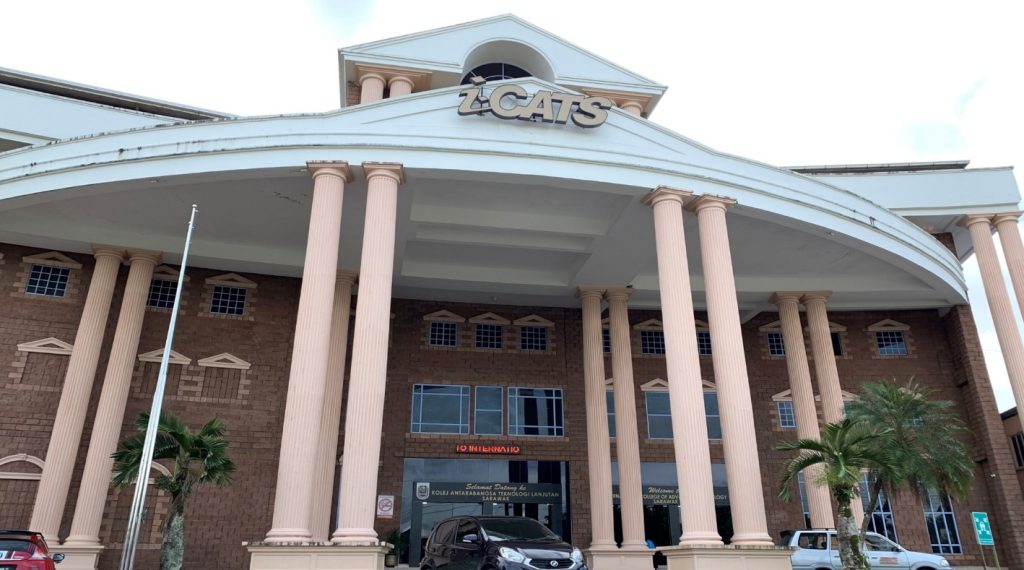
TAHOTECH recorded a 234.7 per cent increase in new student enrolment for FTES-covered programmes, from 101 students in 2025 to 338 in 2026.
Across all programmes, the university’s new student enrolment rose by 93.3 per cent, from 1,023 to 1,977 over the same period.
A total of 464 students are currently benefiting from FTES at the university.
TAHOTECH attributed the growth in enrolment for FTES-covered programmes primarily to the scheme, which has reduced the financial burden on students and their families.
“The scheme has provided greater opportunities for students who might otherwise face financial barriers to accessing tertiary education,” the university said in a written response to Sarawak Tribune.
Among the programmes offered under FTES, the Bachelor of Electrical and Electronic Engineering programme recorded the highest percentage increase in new student enrolment, at 500 per cent compared with the previous year.
However, the growing student population has also presented challenges for the university, particularly in providing sufficient student accommodation.
To address this, TAHOTECH is working to secure additional hostel facilities to accommodate more students.
The university anticipates further enrolment growth in 2027, with more FTES-covered programmes expected to be offered.
Sarawakian enrolment nearly doubles at Curtin
Curtin Malaysia’s preliminary assessment indicates that new student enrolment among Sarawakians has nearly doubled compared with 2025, with FTES being a major contributing factor.
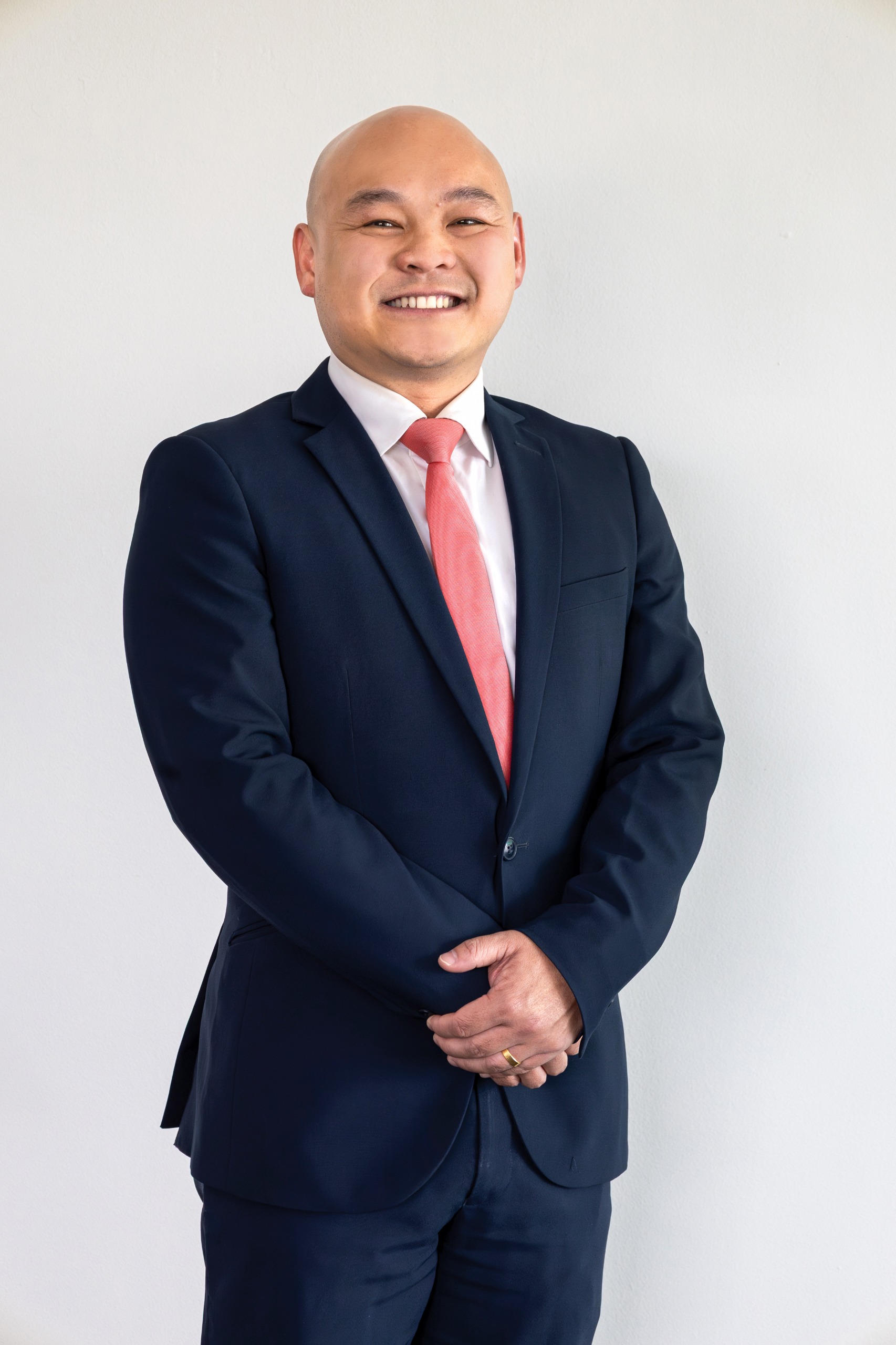
Its pro vice-chancellor, president and chief executive, Professor Vincent Lee Chieng Chen, said 949 students were benefiting from FTES as of Sept 30, representing 76.1 per cent of the university’s 1,247 eligible students.
Of these, he said 312 commenced their studies before January 2026, while 637 enrolled between January and September this year.
The second semester alone accounted for 447 new FTES beneficiaries, compared with 190 in the first semester.
“We see strong evidence that FTES has improved access to degree-level education, particularly by encouraging more direct entry into undergraduate programmes among STPM graduates,” he said.
Demand is strongest in STEM and business-related disciplines, with 561 beneficiaries enrolled in STEM programmes, 338 in accounting and finance, and 50 in psychological science.
Engineering programmes alone account for 359 beneficiaries, representing 37.8 per cent of the university’s FTES recipients.
Lee said the university has also recorded greater participation among students from rural communities, with rural representation increasing from 3.6 per cent in the preceding cohort to 6.9 per cent in the third-quarter cohort.
Beyond tuition fee coverage, he said 527 beneficiaries received living allowances, while 64 received accommodation assistance.
“These additional forms of support help address the wider costs of pursuing higher education,” he said.
While longer-term comparative data is needed to assess the full impact of FTES, Lee said the university believes the scheme plays an important role in improving educational accessibility and social mobility.
“Curtin Malaysia projects a further 25 per cent increase in total student enrolment in 2027, with FTES expected to remain a key driver of growth among Sarawakian students.
“We also anticipate stronger enrolment from non-Sarawakian students, supported by Curtin’s established reputation in teaching, learning and research.
“As we grow, our priorities remain academic excellence, an enriching student experience and sustainable development of talent to support Sarawak’s future workforce needs,” he added.