SARAWAK’S job market is entering a new phase of growth and diversification, with job postings on Jobstreet by SEEK Malaysia rising 40 per cent since mid-2024 — signalling expanding opportunities across both traditional and emerging sectors.
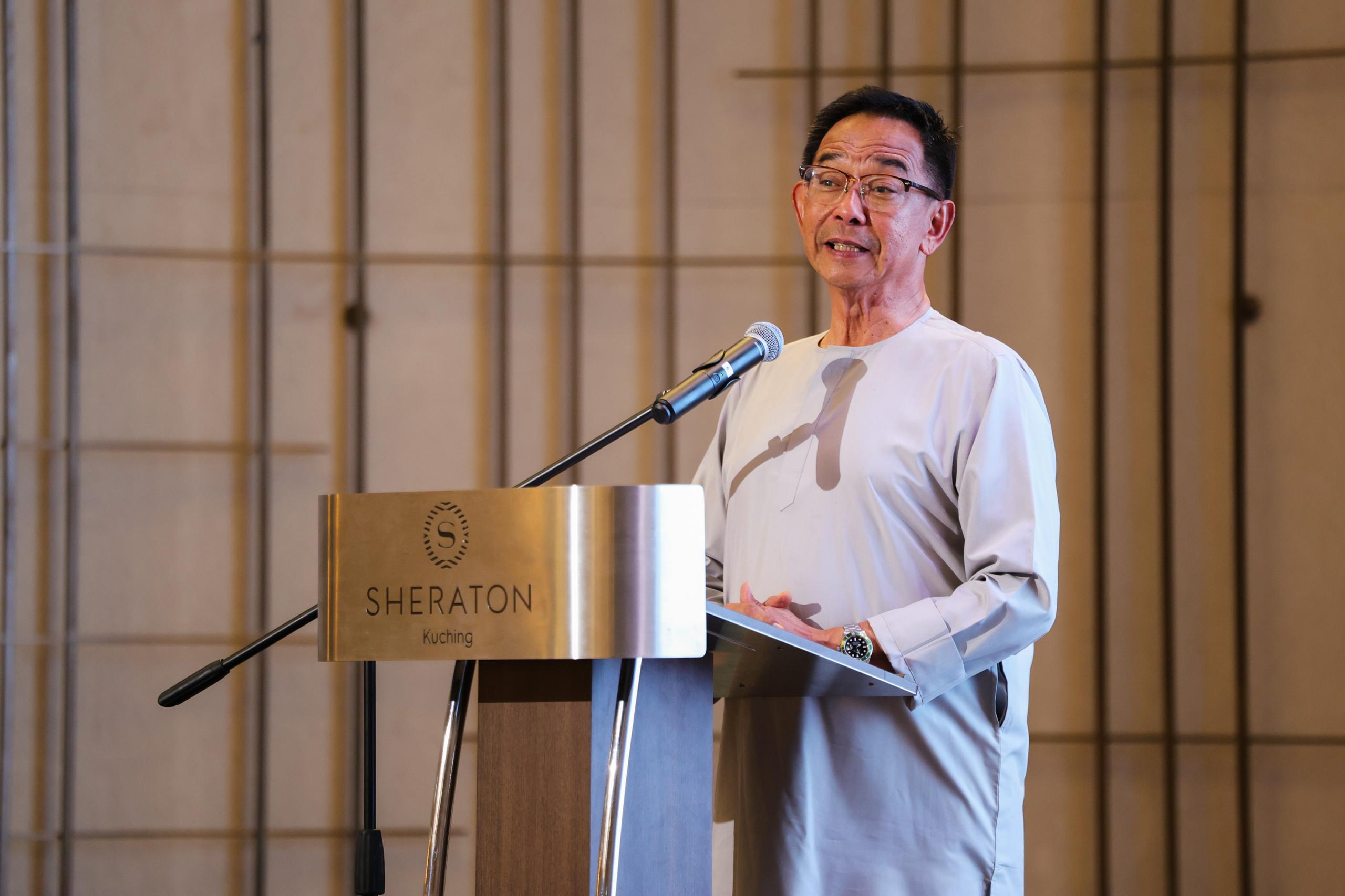
In an exclusive email interview with the Sarawak Tribune, Nicholas Lam, Managing Director of Jobstreet by SEEK Malaysia, said the state’s hiring trends reveal a transformation that is reshaping employment and talent development across Sarawak.
Tourism and services lead hiring boom
According to Lam, the 40 per cent surge in Sarawak job ads since mid-2024 has been driven by strong growth across multiple industries.
The most notable increase came from Hospitality and Tourism (+131%), Consulting and Strategy (+129%) and Trades and Services (+118%), reflecting the state’s ongoing economic diversification and growing appeal as a hub for both professional services and visitor-related industries.
Other expanding sectors include Administration and Office Support (+114%), Construction (+80%), Retail and Consumer Products (+80%), and Sales (+67%), while Manufacturing, Transport and Logistics (+62%) continue to serve as key economic pillars.
Lam said these hiring patterns align with broader economic developments.

The Sarawak Budget 2025 prioritises tourism and the green economy, while RHB Research projects the state’s economy to grow 5–6 per cent in 2024, driven by infrastructure, utilities, transport, and renewable energy projects.
“Sarawak is not only sustaining employment in its established sectors but is also broadening opportunities in services, professional fields, and customer-driven industries.
“This points to a more diversified and resilient job market for the state,” said Lam.
Job vacancies rise, but mismatch persists
Despite the surge in job ads, the state’s unemployment rate remains one of the highest in the country.
Lam said this reflects a continuing mismatch between available jobs and jobseekers.
In the first half of 2025, job ads from Sarawak made up nearly five per cent of nationwide postings, yet they drew only two per cent of total applications.
“Sarawak currently accounts for just 3.6 per cent of jobseekers on our platform, despite job vacancies in the state growing steadily.
“This gap is likely due to a combination of skill mismatches, geographic barriers and differing expectations between employers and candidates,” said Lam.
He explained that Sarawak’s large geography means many employers are hiring in more rural areas where candidates are often reluctant to travel long distances for work or relocate.
Furthermore, some of the fastest-growing industries may not align with the skills or career interests of local talent.
“The result is that even as opportunities expand, not all candidates feel adequately matched or supported to take them up,” he added.
Tackling brain drain and retaining local talent
Addressing brain drain remains vital, Lam said, emphasising that employers must promote Sarawak-based positions not merely as ‘jobs’ but as long-term career opportunities.
He suggested offering clear career progression and training, flexible work arrangements, relocation and housing support as well as highlighting the unique lifestyle and community benefits of staying in Sarawak to make local opportunities more attractive.
At the policy level, Lam said incentives such as wage top-ups or targeted graduate schemes can encourage Sarawakians to build careers locally.
“Importantly, younger workers want future-proof opportunities. So, employers must invest in skilling pathways that help talent envision their growth without feeling as though they need to leave the state to achieve this,” he added.
Future-proof careers and changing jobseeker priorities
Sarawak’s younger workforce is increasingly drawn to “future-proof” industries such as oil and gas, tourism, and the digital economy.
Between 2024 and mid-2025, job ads for digital economy roles like ICT and software development surged by 90 per cent, tourism postings nearly quadrupled, and oil and gas roles almost doubled (+91%).
Employers are adapting by promoting skill-building opportunities and clearer career pathways to help local workers envision long-term growth within the state.
Lam also noted that jobseekers today evaluate employers based on more than salary. Many now prioritise career progression, flexibility, and work-life balance, alongside a company’s culture and stability.
“Employers who invest in people development and create inclusive workplaces are best positioned to attract and retain Sarawak’s talent,” he said.
Empowering SMEs in a competitive market
Small and medium enterprises (SMEs) make up 98 per cent of Sarawak employers on Jobstreet but typically attract about 10 per cent fewer applications per job ad than corporates.
Despite that, Lam believes SMEs can compete effectively by focusing on flexibility, career development and company culture.
“SMEs can stand out by offering faster career progression, broader responsibilities and a strong sense of purpose.
“Many young jobseekers value impact and growth opportunities over corporate structure,” he said.
He added that visibility, not budget, remains the main challenge — noting that free job ads on Jobstreet have helped many small employers reach more candidates.

Technology bridges hiring gaps
Lam said technology — especially AI-driven recruitment tools — is helping improve match quality between employers and candidates.
“Our platform uses AI recommendations to connect jobseekers to roles that align with their skills while helping employers identify the best-fit applicants.
“In a smaller market like Sarawak, smarter matching is critical to ensure no opportunities are missed,” he explained.
Jobstreet by SEEK’s role in Sarawak’s workforce growth
Lam said Jobstreet by SEEK remains committed to supporting both employers and jobseekers as Sarawak transitions toward a more diversified, digital-driven economy.
In the first half of 2025, free job ads in Sarawak grew by 116 per cent, allowing SMEs to reach candidates without cost barriers. For jobseekers, the platform offers personalised recommendations, upskilling resources, and digital-readiness tools to help them prepare for evolving industry needs.
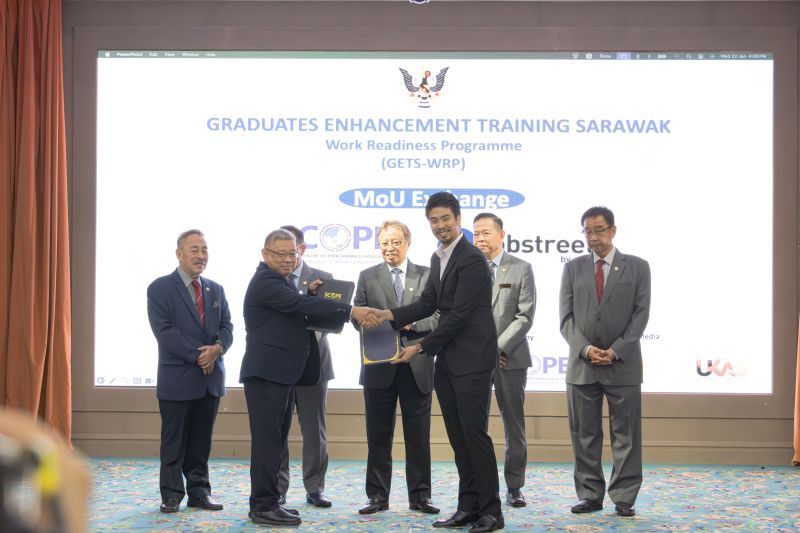
The company also partners with initiatives like the Graduates Enhancement Training Sarawak – Work Readiness Programme (GETS-WRP), which aims to equip 1,000 young Sarawakians with industry-ready skills.
Through Jobstreet’s Career Advice, participants gain access to job opportunities, employer insights, and practical learning content.
Lam said Jobstreet continues to engage directly with local talent through events such as the career fair at Curtin University in Miri, which connected hundreds of students and graduates with employers.
“Our goal is to ensure every employer, from small businesses to large enterprises, can connect with the right people — and that Sarawakians can access meaningful, future-ready careers without leaving their home state,” Lam said.

Opportunities ahead: Healthcare, ICT and professional services
Looking ahead, Lam said Sarawak’s job market will continue to diversify over the next three to five years.
The strongest opportunities are expected in healthcare, administration, sales, and professional services, alongside growth in ICT and digital-related roles that enable Sarawakians to pursue future-ready careers without leaving the state.
“The next few years will depend on how effectively employers align training and career development with these growth areas.
“This is key to ensuring Sarawakian talent is equipped and motivated for the roles shaping the state’s economic future,” he said.