SIMANGGANG: The Sarawak government has been urged to review the high charges imposed on employers under the Foreign Workers Transformation Approach (FWTA), which industry leaders say have created an unprecedented financial burden on labour-dependent sectors.
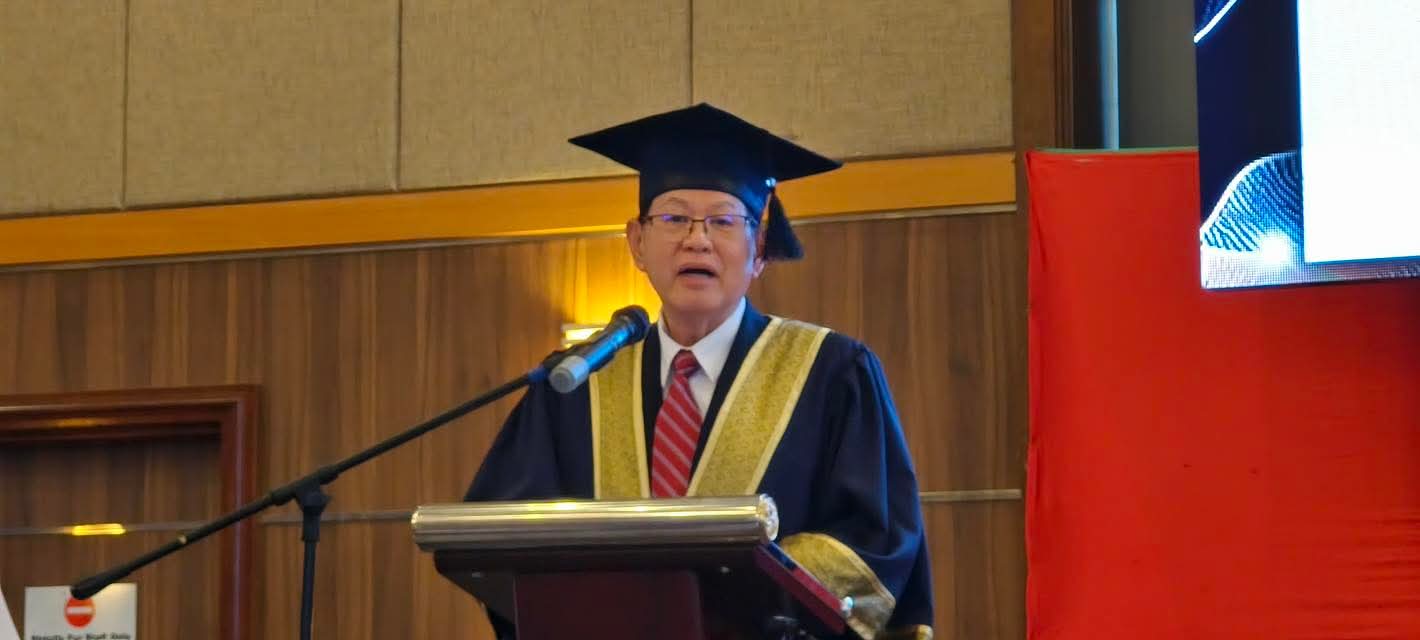
Federation of Sri Aman Chinese Associations president and Sri Aman Chinese Chamber of Commerce president Datuk Dr Ngu Piew Seng said the RM1,854 application fee per foreign worker, or RM2,002.30 after service tax, is the highest of its kind in Malaysia and did not exist under the previous system.
He said employers previously only paid for medical check-ups, permit fees and levies.
However, with the FWTA/SANSOLS system implemented on Jan 15, they must now pay for five new items: RM950 for Approval in Principle (AP), RM335 for a labour licence, RM215 for a Visa with Reference (VDR), RM30 for Safhis Health Information System registration and RM324 for the newly introduced foreign worker identification card.
“This steep increase has become a major burden on businesses. It has hit plantation, construction, timber, manufacturing and shipbuilding particularly hard, pushing operating costs up and even threatening the survival of some companies,” he said.
Ngu added that federal-level charges have already risen in recent years, and the additional state-imposed RM1,854 has resulted in a double financial burden for employers.
Government data shows that since FWTA began in January, 18,554 AP applications have been received and 106,242 AP quotas have been approved.
Based on the RM1,854 fee, the Sarawak government or its appointed agent has collected nearly RM197 million.
Ngu said the FWTA system remains unstable during its transition phase, with technical disruptions still common, raising concerns about imposing high charges before the platform is fully functional.
He called on the government to review the fee structure, consider waiving or reducing the RM1,854 charge, suspend the fee until the system stabilises, enhance engagement with affected industries, and publish complete transparency reports on FWTA development costs and managing entities.
“Sarawak is the only state in Malaysia imposing such fees. If they are unreasonable, they will hurt competitiveness, deter investment and weaken labour-intensive sectors,” he said.
Ngu stressed that businesses support the government’s intention to modernise foreign worker management but warned that reforms must not impose excessive burdens.
“We support reform, but it must be reasonable, transparent and sustainable, aligned with the actual capacity of the industries affected,” he said.