Part 4, the final instalment of this series, tells how Gedong is set to drive Sarawak’s motorsports to the forefront of Borneo.
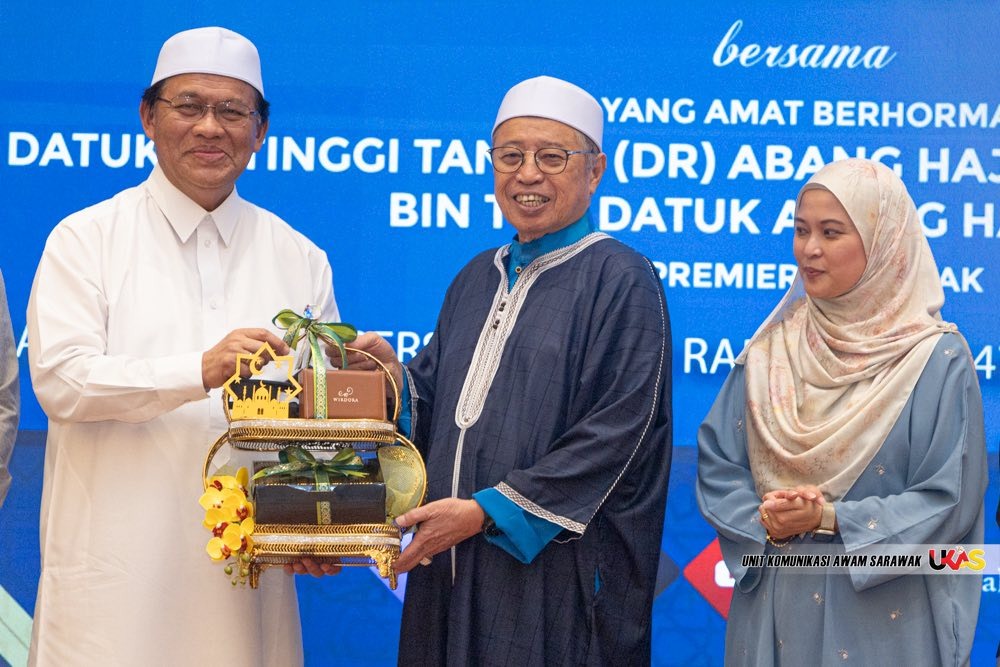
ONCE a historic hub for paddy production and storage between the 7th and 13th centuries, Gedong is now charting a new path under Premier Datuk Patinggi Tan Sri Abang Johari Tun Openg.
As Gedong assemblyman, Abang Johari has tied its transformation to projects that honour its roots while pushing new frontiers.
In November 2024, he launched a 54.4-hectare paddy project at Lubok Punggor to serve as a pilot model for boosting Sarawak’s rice supply.
Beyond agriculture, Gedong is preparing for wider growth with the Mini Isthmus development and, most ambitiously, a 600-acre racing circuit planned to host 100,000 spectators.
This long-awaited dream of a dedicated racing circuit is not only fulfilling the aspirations of Sarawakians but also of motorsport enthusiasts across the entire island of Borneo.
Passion with purpose
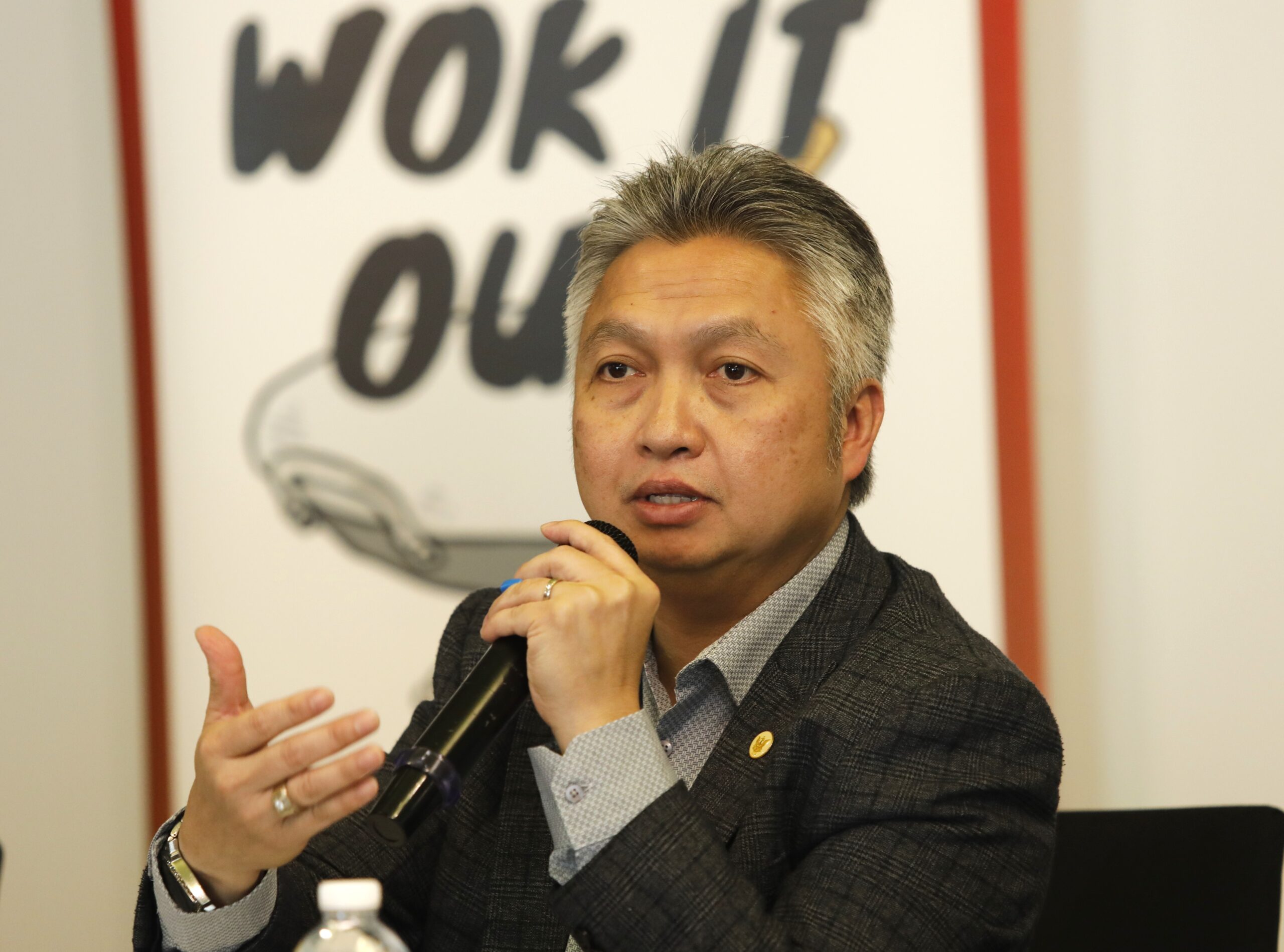
Tourism, Creative Industry and Performing Arts Deputy Minister Datuk Snowdan Lawan is no stranger to the roar of engines.
A motorsports enthusiast himself, he admitted the sport has always been close to his heart.
“Supercars do interest me too, and we even have a club for that. But it’s not only about cars—it’s about networking and friendship,” he said.
“That is why I see the need for a proper racing track, and I believe this is the right time for Sarawak to finally have one.”
Yet, for Snowdan, passion also comes with responsibility.
He pointed out that motorsports is not just about cars, motorcycles or go-karts — it also has to do with finance, insurance and even medical services.
“These machines are fast, heavy and often costly, requiring skill to manoeuvre. Accidents can happen, lives can be at stake, which is why proper regulation and facilities are crucial.
“That’s why regulation is important. For example, a hospital with burn treatment facilities should be built close to a racing track to handle emergencies,” he said.

Tourism and connectivity
From a sports tourism perspective, Snowdan believes motorsports could become a powerful draw for Sarawak.
International events such as Formula One or high-powered bike races, he noted, are billion-dollar industries that attract thousands of visitors.
“Motorsports has followers and enthusiasts all over the world.
“Each race can bring in tourists who stay for at least a week. With the right marketing, they will also become our ambassadors, taking Sarawak’s name into new markets,” he said.
He added that the proposed Gedong Racing Circuit was timely, especially with the planned new Kuching airport at Tanjung Embang and AirBorneo expected to expand connectivity.
“Right now, we are still handicapped by connectivity and the lack of an internationally recognised track.
“Gedong will resolve the latter,” he asserted.
Economy and talent
Snowdan also emphasised the wider economic benefits that would come with the circuit.
Roads, bridges and supporting infrastructure would follow, land value would rise, and new areas would open up. Jobs, domestic spending and economic activity would all expand.
“In the long run, Sarawak’s gross domestic product (GDP) will increase, unemployment will drop, and the economy will keep ballooning,” he said.
At the same time, he cautioned that motorsports required a skilled workforce — engineers, mechanics, technicians, marshals and administrators.
While expatriates might be needed initially, he believed Sarawak Motorsports Association (SMA) and its affiliates should lead the way in developing local expertise through training, workshops and exposure abroad.
“They can start by conducting training, joining workshops in Malaysia, or gaining orientation in other countries,” he added.
A circuit to serve all of Borneo
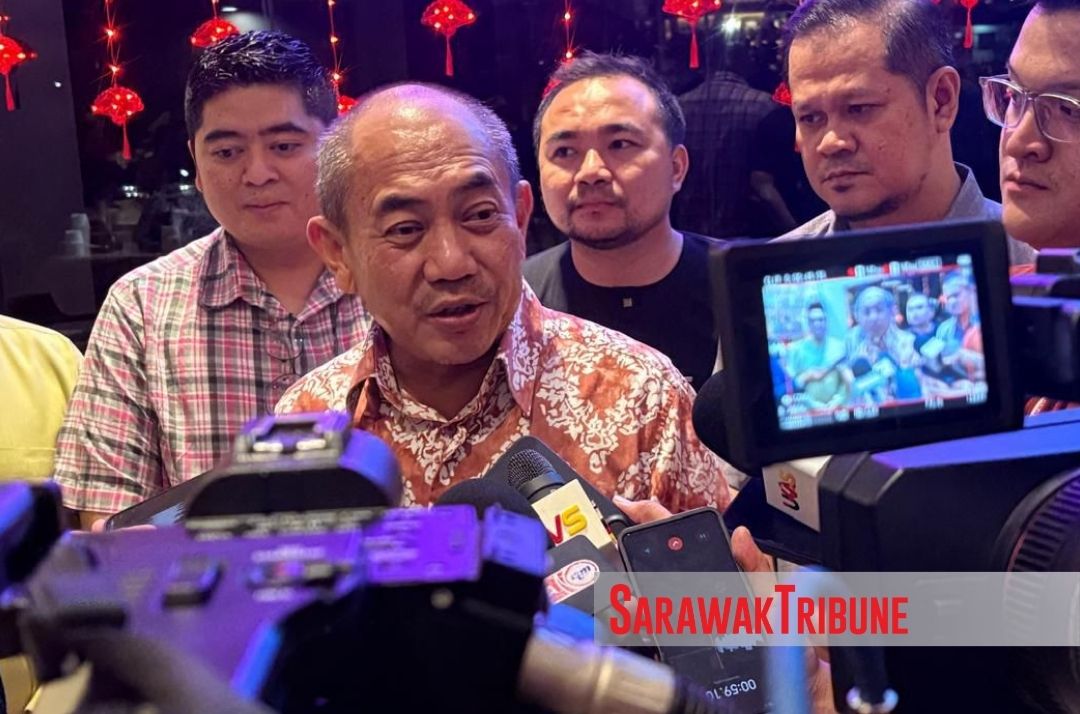
For SMA president Senator Datuk Ahmad Ibrahim, the Gedong Racing Circuit carries a promise that stretches far beyond motorsport.

He sees it as a catalyst that could reshape not only Gedong, but Borneo’s motorsports scene altogether.
Its location, he noted, holds an advantage few others can match. With road links connecting Sabah, Brunei and Kalimantan, enthusiasts could simply drive in.
“Of course, if we do that, we’ll be the only circuit of that size in the whole of Borneo. So it will benefit us through more tourism, because the crowd will come in,” he said.
For now, much of it remains on paper, but Ahmad is already picturing the transformation ahead.
“Gedong today will not be as it is—it will be a new city. And don’t forget, the new Kuching airport set to be built at Tanjung Embang will also be not far from there. It is all good timing.”
Not just a circuit, but a stage
An an enthusiast himself, Ahmad said he was thrilled when Abang Johari approved the project.
To him, the Gedong circuit could emulate what the Petronas Sepang International Circuit has been doing for years—hosting “track days” where ordinary enthusiasts can drive or ride on a professional track with proper safety measures.
Sepang, he pointed out, is not just about F1 or MotoGP. Its survival comes from smaller, regular activities that happen almost every weekend.
Car clubs gather to test their machines—sometimes Porsche, Honda or Ferrari, other times Kancil and Wira with stock engines and standard tyres. Big bike riders also make the most of it.
“There is always something going on, so it is never a loss to have a proper circuit,” he said firmly.
Gedong, he added, should also think beyond racing. A circuit can be a multi-purpose stage for concerts, festivals and exhibitions, much like what Stadium Sarawak has been doing in recent years.
“There can be many complementary events, not necessarily just for racing, and I think it’s going to be beautiful.”
A balance between grassroots and international events
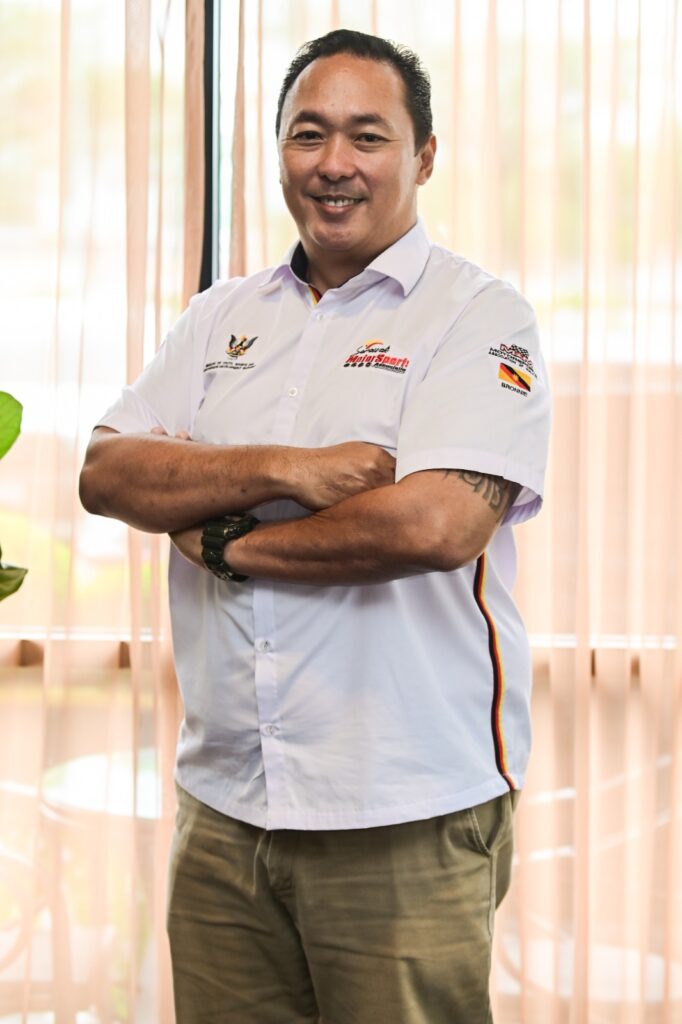
Motorsports Association of Malaysia (MAM) Exco member and race manager Bronnie Marshall stressed that the proposed circuit must strike a balance between hosting international events and supporting grassroots motorsport.
While Sarawak has gained steady momentum in recent years, many professional drivers continue to point out the same challenge: financial constraints. And even for those who can sustain the cost of their passion, nurturing new talent is another story altogether.
Bronnie recalled the struggles of one promising young rider.
“He’s just 15 or 16, selected for a one-man race. His father, a grass cutter, spends everything to support his sons in racing, following them across the country for up to 11 races a year. That is the reality of our grassroots,” he said.
He added that affordability would remain key in ensuring the circuit benefits everyone. If track rental fees were set at rates such as RM500 per day, many young drivers would be unable to participate.
“It has to be a good balance between international events and grassroots. A circuit doesn’t have to be overly high class or too international — we also have to accommodate the grassroots level.”