BERLIN, Germany: The German Chamber of Industry and Commerce (DIHK) sees increasing risks of doing business with China as the country expands its position on the world markets in numerous industries, reported German news agency, dpa.
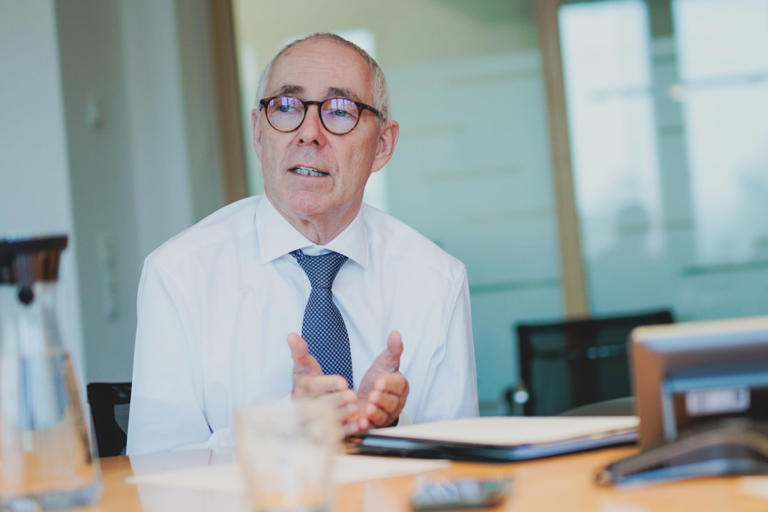
“This presents opportunities for German companies, for example through strong technological progress and local innovation,” DIHK’s President, Peter Adrian tells dpa.
“However, this is offset by growing risks, such as government intervention and unequal competitive conditions.”
Therefore, German Chancellor Friedrich Merz’s scheduled visit to Beijing on Tuesday comes at the right time, according to Adrian.
China is of central importance to the German economy, but the framework conditions have shifted noticeably, he added.
While sales opportunities for German companies in the Chinese market have declined significantly, imports from China are on the rise.
“Germany and the European single market remain a key sales market for Chinese goods,” said Adrian.
“In addition, there continues to be considerable dependence on China for critical raw materials and intermediate products.”
As well as the issues of a level playing field in trade and investment, export restrictions on critical raw materials should also be addressed during the visit, Adrian said.
The existing restrictions jeopardise supply chains and made investment decisions difficult for German companies, according to the DIHK head.
“Export controls must be rule-based and transparent,” said Adrian.
Existing approval and control processes must be simplified, accelerated and made more predictable.
China last year again overtook the United States as Germany’s most important trading partner amid the tariff conflict with the administration of President Donald Trump.
In 2025, the volume of imports and exports in trade with China totalled €251.8 billion (USD296.6 billion or RM1.28 trillion), according to the latest German government data.
However, German companies complain of increasing barriers in the Chinese market. – BERNAMA-dpa